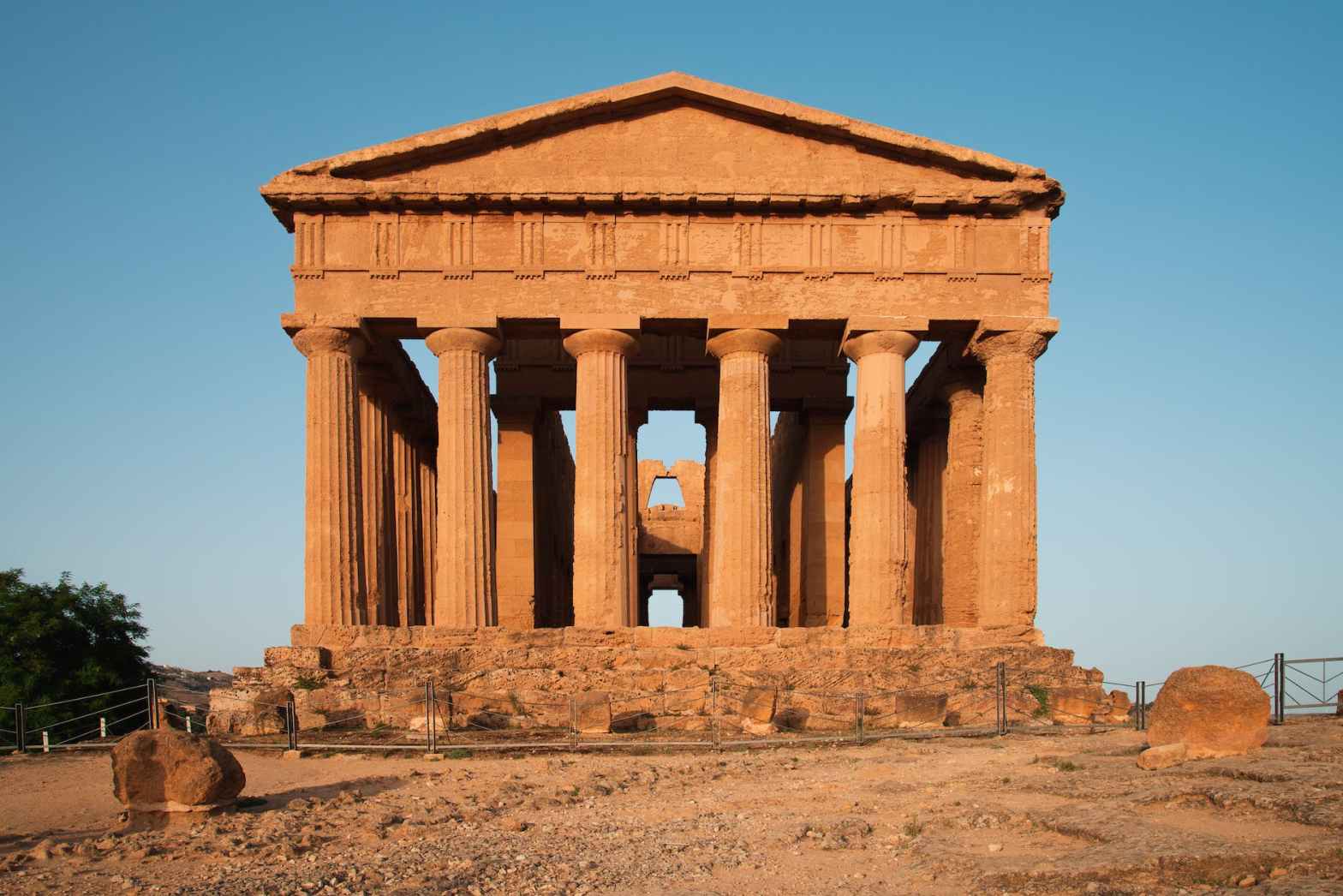

Every piece of content you make is like a brick.
Many people’s content ends up being a series of disorganized bricks on the ground, like a significantly less impressive and less organized version of Stonehenge.
Savvy creators organize their content bricks, build connections between them to fortify and support them, organize major central content pillars, and with intention, build something strong, cohesive, and engaging out of it. They consider their entire body of work and how it relates together to build something with a purpose.
They build a content temple.
What is a Content Temple?
Like a museum, people can walk in and see what you’ve made, your style, and what your message is.

They can explore different rooms with different focuses, methods, media, and topics. Your temple might have multiple types of media, like written works, videos, photos, and more across multiple platforms. If you’re live, visitors get to watch you make your art. However, your content temple should be open to explore whether or not you’re live, meaning your focus may need to shift to include more on-demand content.
Everything ends up relating together, somehow, thanks to the content pillars you’ve built at the center supporting the whole temple. Someone who spends a few minutes in your content temple should understand what you stand for and what you create.

The main point is this: you need to plan your content cohesively around core pillars, and you need to figure out who your content is for. Plan your content cohesively, understand the impact you want to make with your body of work, and build your content temple.
How do You Build your Content Temple?
First: Who is this temple for?
- Who is the target audience of your content?
- What do they watch?
- What are their preferences?
- What are their goals?
- What are their demographics?
- Age?
- Location?
Even go so far as to imagine several faces of people who your content is for
You don’t need to have an answer for every demographic either. You might imagine your content is for gamers in college who prefer fighting games and hope to play competitively, and in this case, location and most other demographic more or less don’t matter. Some people might not match your target audience of college-aged competitive fighting gamers and still enjoy it or make use of it, even if they’re not the audience you’re specifically imagining your content to be for.
The point is this: the average demographics for a museum of fine arts versus a rodeo are not the same. They’re both perfectly valid places, but they rarely attract much of the same audience.The same concept goes for your content temple—get a sense of who you’re making it for!
That said, many rodeo fans enjoy the arts and vice versa, but a rodeo and a museum fine arts still have completely distinct identities.

What is the PURPOSE of Your Temple? What are its Core Content Pillars?
What do you hope to achieve with your content? Not just a few pieces of content, but your entire body of work?
It doesn’t have to be just one thing, but they should all make sense together. For example, if someone watched 10 of your videos or 10 hours of your streams, what do you hope that they’d have felt, thought, or learned after all that?

I hope that is someone if chooses to watch 10 of my videos, they’d feel empowered to improve their content, pursue the right brand deals for them, or learn the ocarina.

More entertainment or gaming-oriented creators might want their audience to be impressed at your skill, laughing from your humor, inspired to try a game or challenge, or some mix of these.
Your core purpose defines the pillars of your content, the pillars of the temple you’re building.
Do your Bricks Fit Together Cohesively?
If an individual piece of content is one brick, does it align with your core pillars?

The pillar I’m building now is all about empowering and educating creators. As such, that’s where most of my content is. If someone watches 10 of my recent videos or reads 10 of my last blog posts, they’d completely understand that’s what I’m about.
There are areas I might want to expand to, but you’ll generally want to consistently support your core pillars with the bulk of your content!
It’s okay to experiment and step outside your core—make the content you want to make, especially early on. You won’t know what your core pillars are until you’ve spent some time experimenting, finding what you enjoy creating. However, as you develop your skill and your unique voice, it’s important to develop your core pillars to make a strong, clear brand. Even when you’ve established your brand, it’s still fine to take some experimental risks on your content.
Regardless of your cohesion and level of experimentation, make sure your bricks support each other!
Do your Bricks Support Each Other?
Cross-pollenate your content. If I have an overlapping idea between 2 videos, I will sure as heck mention the other video for interested viewers. To illustrate, my post on When to AVOID Brand Deals echoes points made in a few other videos, so of course I mentioned those videos in that one. Look, I’m mentioning a post now and building ties RIGHT NOW in this example.

Think of these ties and mentions between different content and platforms like the mortar between bricks. You can stack bricks without any adhesive, but you can build a lot higher (and try even risker builds) if your bricks are connected with mortar and support each other.
You’ll notice many successful YouTubers who now, instead of using generic endcards, keep talking through the end of the video giving a specific recommendation for what to watch next. I do it too. It really helps your audience to very quickly understand what you’re all about if, after watching a video on a topic they’re interested in, see that you have a whole portfolio of content to those interests.
And this can apply to ANY genre of content:
- Gaming creators who do challenge content might recommend similar games or challenges they’ve done.
- A photographer discussing a specific portrait lens might recommend you watch another video discussing ways to improve portrait photography in general.
- If a musician covers a song from a particular band or game, they might recommend that you check out another cover from that band or game.
The stronger the ties you build between your content, the more you can compound your growth! Every piece of content becomes an entry point, and every piece of new content you make supports old content.
If Video A about a certain topic from August 2022 recommends you watch Video B from January 2022, which is related to that topic, which then points to Video C from October of 2020—also related to that topic—then you make ANOTHER video that recommends Video A, some people will fully go down the rabbit hole (and probably subscribe to you).
If these viewers are interested in that topic, then you’ve given them so much material. It’s a win-win (this is why it’s important to know who your content is for, so that you can design for this kind of thing to happen!)
There are people who got successful with a seeming lack of cohesion, but these cases are the exception (or they started making content on YouTube around 2006).
It’s like Building Stonehenge vs. the Pyramids
Stonehenge is impressive and old, but it’s not a structure. It definitely had a purpose, and it’s definitely impressive, but it’s most impressive because it’s there at all despite the time period it was built,
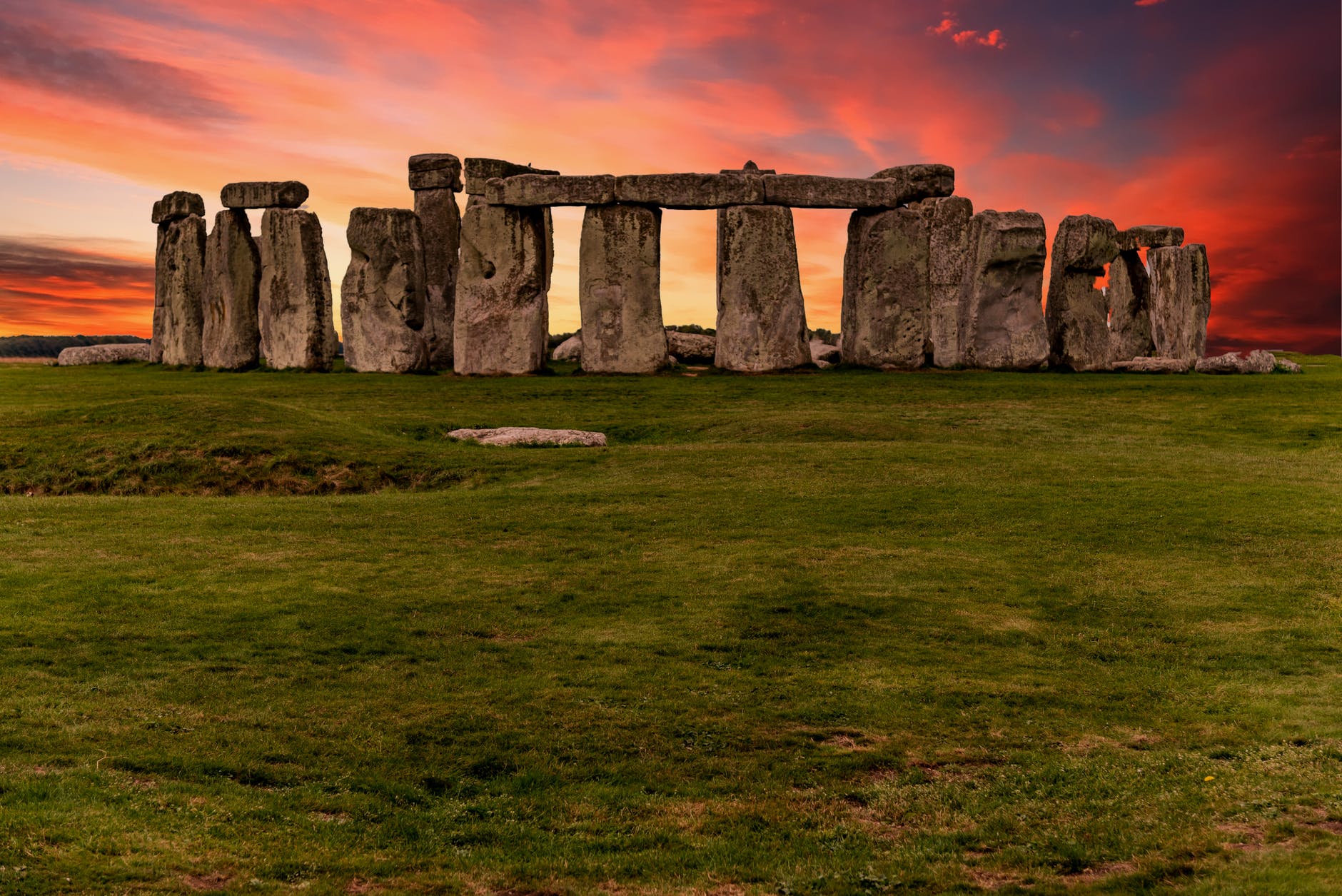
This is like how some YouTubers got famous in the early days before anyone even considered applying strategy to a YouTube channel—it’s impressive that they built something at all… and what is the meaning of Stonehenge?
On the other hand, the Pyramids have a clear structure, and they came LONG after stonehenge was built. Each brick was cut to specificity and fitted with each other into a planned structure.

…Like how YOU can build a cohesive content temple—devise your strategy, understand your core, and brick by brick, you’ll build something amazing.
There are multiple pyramids, and there’s a lot more stuff around it like the Sphinxes, just like how yes, you need dedication to build your content temple, but you can build across multiple core pillars and even occasionally experiment with stuff that might seem irrelevant to them
Consider Your Body of Work
When building a career as a creator, consider not just each piece of work, but your entire body of work: what does it stand for?
This is to say: you are far more likely to succeed in making content creation your career if you build something cohesive, which I’m using the content temple concept to illustrate. Know who your content is for, what you stand for with your content strategy, and how to cohesively connect the majority of your content together.
Are you a museum of fine arts, or a rodeo?
Are you Stonehenge, or the pyramids?
Build your content temple, and make it stand for something that connects deeply with your audience.
If making content creation your career, it should stand on its own whether or not you’re live making that content! I recommend watching my video or reading my post on why streaming alone isn’t sustainable if you want to make a career from your content.
Happy creating, and best of luck
 Andy Cormier