Most eSports events are surprisingly poorly documented. More or less, only what makes it onto the live stream is recorded. As such, lots of amazing gameplay gets lost forever, and this gameplay has immense value for players to review for improvement and fans to watch and enjoy.
Genesis 8, one of the largest annual eSports events in California, was one of the first Super Smash Bros Ultimate tournaments to record off-stream sets for top 64, raising the bar for eSports documentation forever.
How did this happen? It’s because of me. At least, I facilitated the brand deal that made this happen.
I used to work for a company called AVerMedia, a Taiwanese audio and video brand making capture cards, webcams, and peripherals for both creators and streamers as well as conferencing and remote work. My official title was marketing specialist, but my actual role was more like social media manager, community manager, product marketing and usability testing specialist, influencer and brand relations manager, and customer support.
I certainly have mixed feelings about that role, but it allowed me a lot of growth and gave me opportunities for awesome projects like the brand deal with Genesis, the largest dedicated yearly Smash Bros. tournament.
Here’s how I facilitated that deal—though do note I can’t get into the weeds of anything NDA. Everything I’ll discuss is either public knowledge or not within the scope of any privacy agreements.
Let’s get started.
The University Origin
Ever since my childhood, the Super Smash Bros. series was one of my absolute favorite games to play—I’ve owned every game since the first one on the Nintendo 64 and likely have at least several thousand hours accumulated playing this franchise over the years. Basically, for a casual player, I got really good and wanted to test my skills in competitive play.
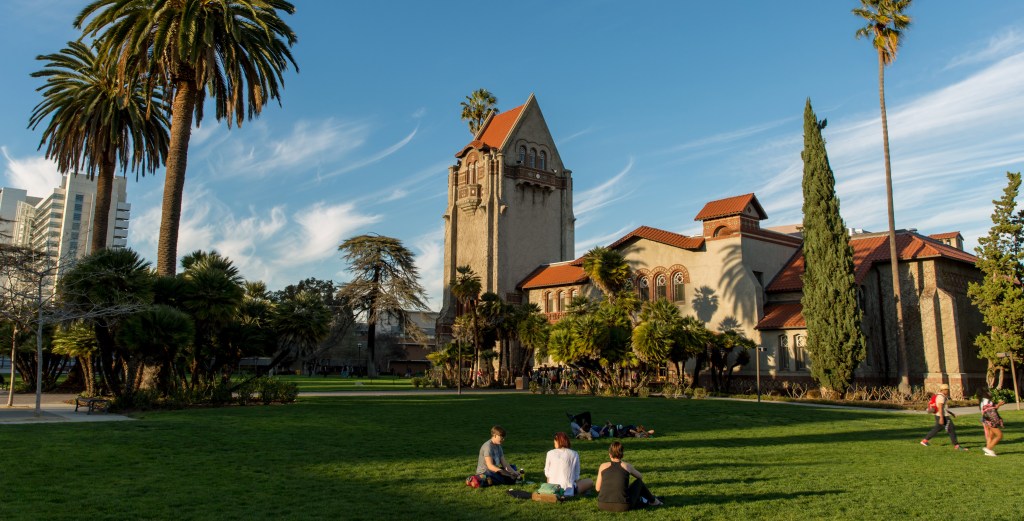
Coincidentally, the university I attended, San Jose State University, had weekly tournaments for Smash. This was in late 2015 and 2016, so the game of choice was the Wii U iteration of the game. The scene is set—I’m seeking to test my skills at these weekly events, but given my overachieving tendencies in my academic years, simply participating in these events wasn’t enough for me. I had to get involved.
After losing horribly in my first tournament, my brother and I talked to the organizer and asked if we could help with their stream setup. I’d just received an Elgato HD60 capture card for my birthday, and I was an aspiring gaming YouTuber at the time, so I had all the equipment necessary. The organizer agreed, and for almost two years, my brother and I would run the stream for the weekly tournament. That’s how I build a lot of friendships and other connections with folks in the local scene.
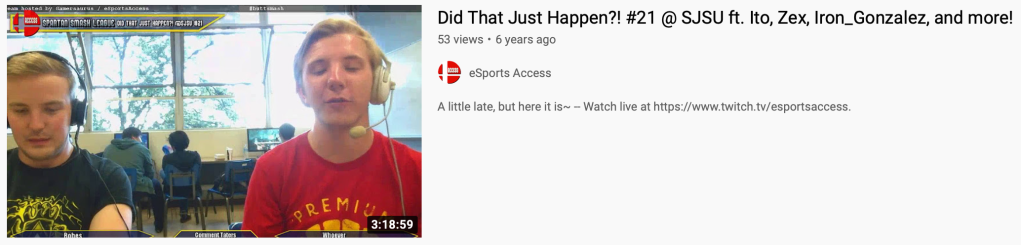
While I became too busy to continue this weekly streaming work between adding music and Japanese minors to my educational plate, taking extra units, working jobs, and participating in other student orgs, the experience and connections always stayed with me.
This is where we fast-forward to my days at AVerMedia.
Understanding my Company and the Smash Community
Through my work at AVerMedia, I likely became one of the most knowledgeable people in the world regarding high-quality, consumer-grade capture cards, the unique specs each of them have, and the scenarios in which each device might be an ideal solution, insufficient, or total overkill.
Compound that with my experience running the stream for my college Smash events, the fact some of my current closest friends play the game competitivelty (one of whom is a fantastic coach, here’s his Metafy if you want to book a session), and I made a connection.
One of the biggest complaints top-players in Smash (or any esport for that matter) have is that most tournament games that aren’t on stream disappear forever. You can’t review your off-stream gameplay to find ways to improve, you can’t look over it with your coach for additional advice, and you can’t share it with fans who want to see hype moments that never made it on stream. Basically, if tournament gameplay isn’t on stream, it disappears forever.
That’s the problem I found a solution for.

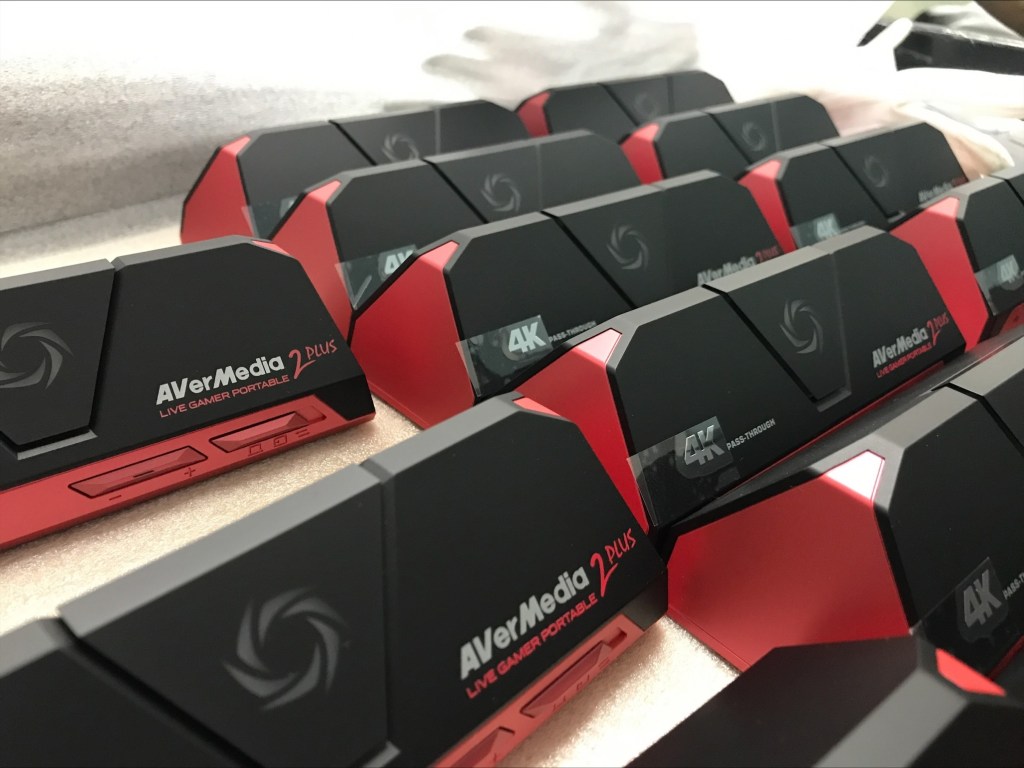
One of AVerMedia’s capture cards, the Live Gamer Portable 2 Plus, could record gameplay to microSD without needing to be connected to a computer for said recording. My idea was that the company could provide a reasonable amount of these capture cards to help off-stream setups capture gameplay that would otherwise be lost forever.
Making the Deal Happen
Seeing this problem in esports as a whole and that my company had a near perfect solution for it, I did some homework. It turns out one of my friends from my university Smash days was one of the key event organizers, so I reached out. That led to a back and forth with him, which connected me to the event team at large.
Obviously I can’t share any NDA negotiations, but seeing as the deal happened, we can assume they were all this deal happening—off-stream capture helps legitimize the event, especially as coaching and more deliberate practice via gameplay review have dramatically grown in recent years. Next, I pitched the deal to my team, got approval, and made it happen, but not without some complicating factors.
Complications & Solutions
We had two main problems:
- I had a trip to planned to visit the very group of friends including competitive players the same weekend as the event, so I couldn’t be there in person to ensure it went smoothly, nor could any of my team members.
- The timeline of pitching to confirmation was very last-minute, so I only had a few days to sort everything out. Again, can’t go into much detail here because of NDAs, but I had a lot to get done
How did I manage the fact that we basically had to give Genesis the hardware last-minute and hope for the best, since no one could be there in-person to support the event? I tested every single capture card before hand-delivering it to my friend from my university days. That way we could rule out hardware error, and we wouldn’t have to worry about late shipments.
Then, to prevent user error, I wrote up a straightforward document for how to properly use the capture cards. I ignored all excessive settings documentation and only included how it should be configured to make sure nobody got creative and caused issues. Last, during the event (while I was on my Wisconsin trip), I frequently checked in to make sure all was well.
Somehow, this last-minute deal went through without a hitch, and throughout the event, you might have seen ads for the capture card we provided—in fact, it’s what you see at the very beginning of the Twitch VOD for Top 8.
But don’t think we’re out of the woodwork yet.
Just because we provided capture cards didn’t mean whatever was captured would get published. I noticed more than a month after the event, none of the footage had been uploaded. I talked to my contact on the tournament staff, since it’s a bad look for the company to say we’re capturing off-stream gameplay for top 64 and then never see said gameplay.
Eventually, the off-stream gameplay was uploaded in early June, garnering reactions and analysis from top players, like Esam, reacting to and analyzing his match against Tweek. Thus, I could breath a sigh of relief, knowing my work was well and truly done and that I facilitated something that frankly raised the standards for what a top-level esports event should provide. While I no longer work at AVerMedia, some other events have followed suit in working with the company for off-stream capture. I may have mixed feelings about the company now, but this type of thing is a win for esports.
We can also ditch the self-aggrandizing idea that I personally made this happen. I was on a great team, had access to the right products, and knew the right people. I was simply the grease on the wheels. Event organizers, players, and the active sponsors are what make eSports what it is, I simply added one cog to the machine.
Takeaways
This all happened because I could connect a lot of different things in my life. The biggest takeaway I have for anyone is to follow your curiosity and interest—I never thought playing Smash in college and streaming the events would impact my career with the coolest brand deal I’ve ever worked on, but here we are.
I think that following your passion in a career sense is generally bad advice, but that’s different than simply following the threads of your interests and curiosity. I never expected to make a career out of helping out at the smash weeklies, but I was interested in seeing where it went. I never expected that buying an ocarina in 2011 would indirectly lead to me getting the job at AVerMedia that facilitated this brand deal either, but that was, once again, the result of simply following the thread of interest and seeing what might happen.
Most of these threads are just fun or interesting and don’t lead to any crazy cool outcomes, but some do. Don’t expect any outcomes, but wholeheartedly pursue your interests. The worst that could happen is that you decide to try something else, but you never know the best that could happen either.
Who knows, you might inadvertently help to raise the standards of all future esports events just because you made some friends in college.
Speaking of pursuing interests, a lot of people want to learn an instrument but never get around to it. If you needed more convincing, you might read my post on all the benefits playing music has for your brain. Otherwise, thanks for reading, and happy creating to you all!
 Andy Cormier