
Companies want one thing, and it’s disgusting—numbers.
I have worked on the industry side of creator brand deals and learned a lot about what companies want in influencers they work with. My goal is to uplift and empower creators to have the best chance possible to #GetSponsored and help make their dream of full-time content creation a reality!
Marketing teams want to make sure any investment they make has an impact, and with the advent of social media metrics, tracking links, and more, it’s now easier than ever for companies to track tangible results on marketing investments made.
…But What Does This Have to do with Getting Sponsored?
Influencer marketing and creator sponsorships can have trackable results, but oftentimes any tracking that happens is done by the company with resources given to the creator. For example, if a company sends an influencer a product and asks them to link to it on Amazon, the company will generally provide the link for that so the company can see how many clicks and purchases the creator’s sponsored content drives. Some companies also use services that register influencers who work with them to see social post performance, like impressions, engagements, things like that. However, those services often don’t see the whole picture.
Outside of obvious things like social media metrics and tracking link clicks, influencer marketing performance is notoriously hard to track. It’s hard to measure these more nebulous things like steps of awareness. Let’s use Manscaped as an example. Let’s say a viewer watches Influencer 1, and they have a Manscaped ad. This may get Manscaped on this viewer’s radar, but they might not make any purchases at this moment. Let’s say after a few months, thanks to that initial awareness from Influencer 1, the viewer makes a purchase from Manscaped but uses a tracking link and discount code from Influencer 2. Influencer 1 was just as important as Influencer 2 in this viewer making a purchase, but you can’t directly track that.
I have been that viewer before, seeing numerous Manscaped ads from many creators I watch and support, but the one that led to my purchase wouldn’t necessarily be attributed to the many ads I saw before. This example happens all the time, and this is one of many examples of the difficulty in tracking influencer brand deal performance. As a result of these types of nebulous, hard to track things, some companies might not invest in certain influencers as much as they might want to or ought to. See where I’m going with this?
What if you could help track success for your brand deal activations? Some of these nebulous things are indeed effectively untrackable, like the Influencer 1 and 2 example, but there are areas you definitely can help sponsors in tracking and providing data for.
Ultimately, companies want hard metrics to understand their return on investment. If you can showcase your brand deals are successful, you’re more likely to get more of them. Here are some major areas to consider in tracking analytics in your sponsorships and other brand deals!
Provide Analytics for any Social Posts/Activations
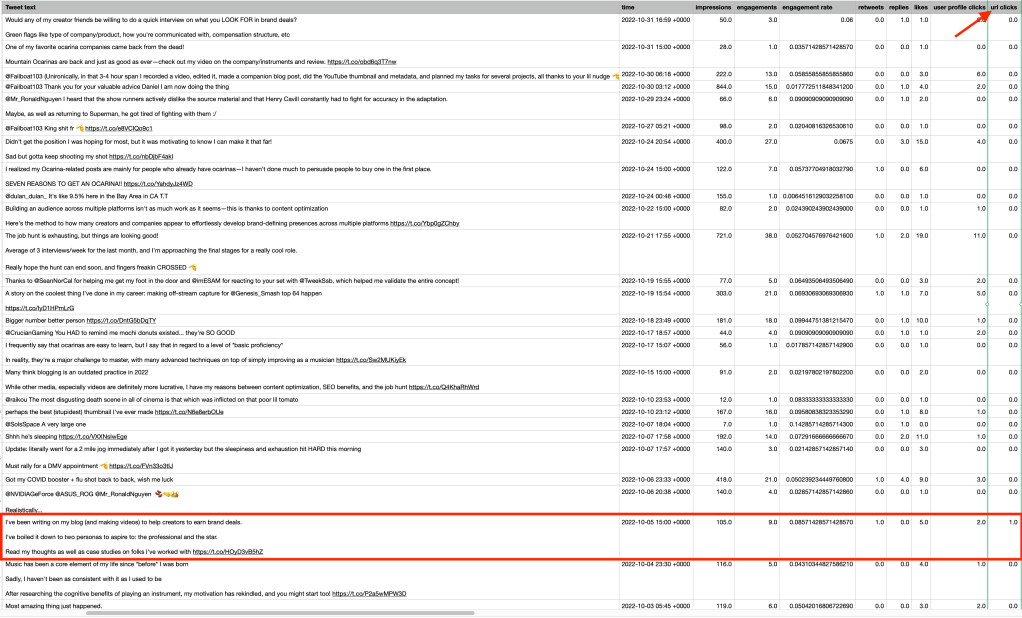
If a company sends you a product and you need to post an ad on Twitter, IG, or anywhere else, you can go into the analytics section and see really detailed information, like impressions, overall engagements, even link clicks. A tweet typically peaks within 2 hours, but I’d recommend giving these analytics after a week or so.
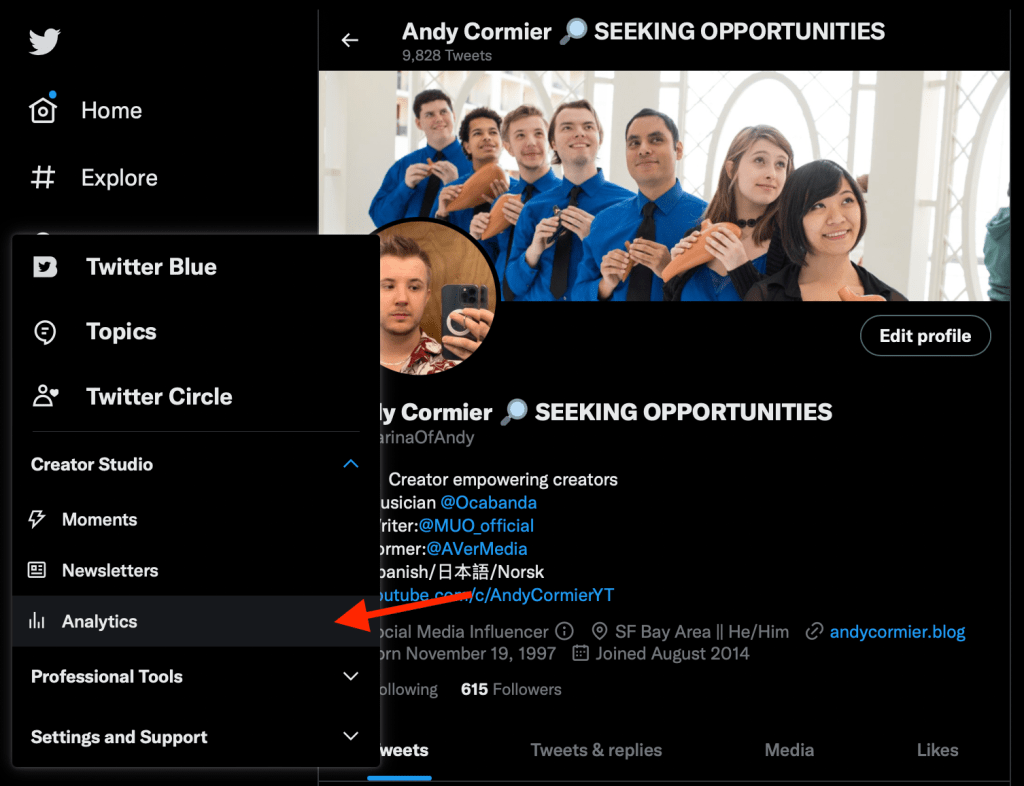
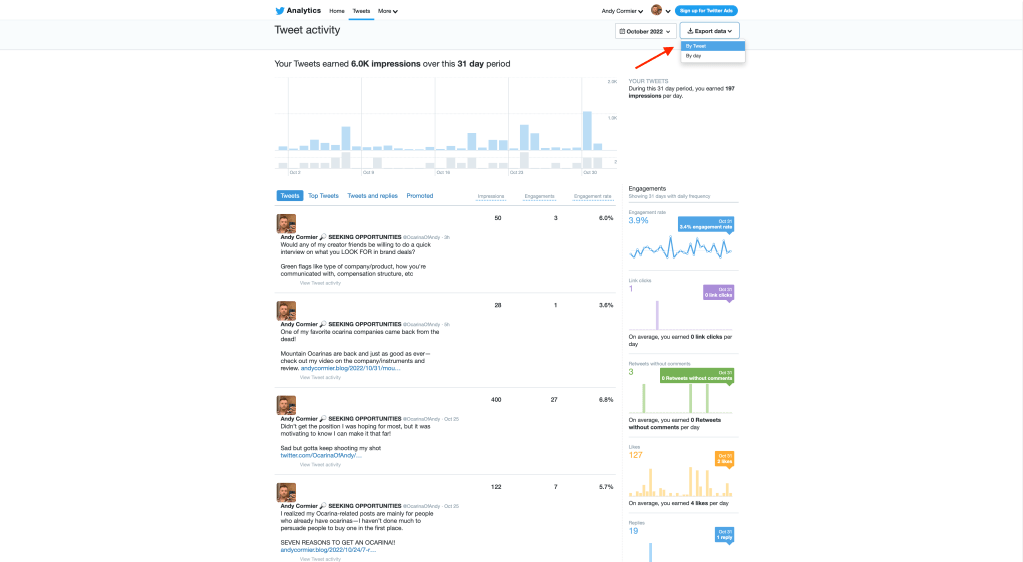
To find this information on Twitter, go to Creator Studio, click Analytics, go to the Tweets section, and make export data by Tweet for the relevant time period. Then, you can find the specific analytics such as impressions, likes, link clicks, and overall engagement rate. That said, if a company gives you a tracking link and has access to your social metrics, they can also surmise this information themselves.
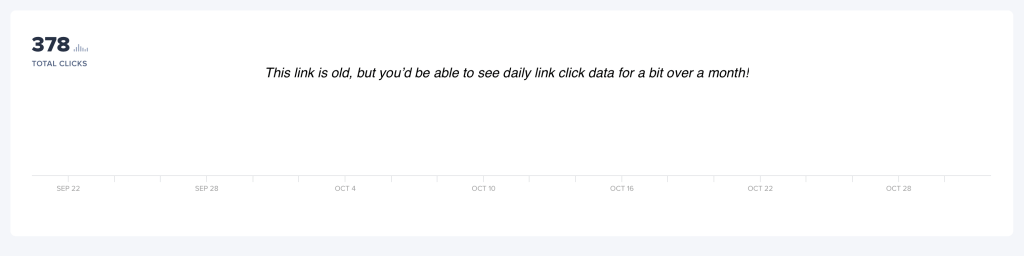
On that note, if a company doesn’t give you a tracking link, you could use bit.ly to track some information by making a custom link, or use your own amazon affiliate link to direct traffic to a product for even more detailed info. These less organized companies will be impressed (and relieved) by your professionalism here.
Companies will generally provide links, discount codes, or other stuff for these kinds of activations, but the more impactful data you can provide for them like impressions, engagements, link clicks, and if possible, purchases, the happier a company will be. Most brand deals will track all of these for you by providing links/codes and connecting your social accounts to management platforms, but there are some things brands can’t easily track.
What About Sponsored Segments in Videos?
Did you know you can calculate, with pretty high accuracy, how many of your viewers actually watch an ad segment on a video or stream?
In YouTube analytics, you can see what percentage of viewers watch any given portion of a video. By mousing over the timestamps that contain your ad read, you can take that percentage and multiply if by total views, and get the # of people who watched an ad tread in your video. Let’s say you got 10,000 views and 50% of viewers watched the ad. That’d be strong exposure to those 5,000 people, especially if your audience lines up with a brand’s target market. On a stream, you can also check when you do an ad read and how many CCV you have through that to get the same exact reach metrics.
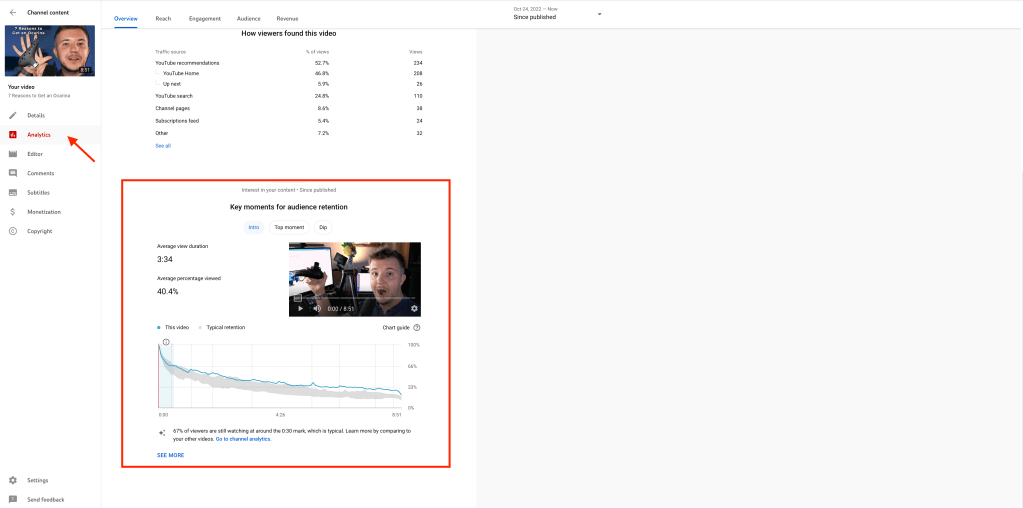
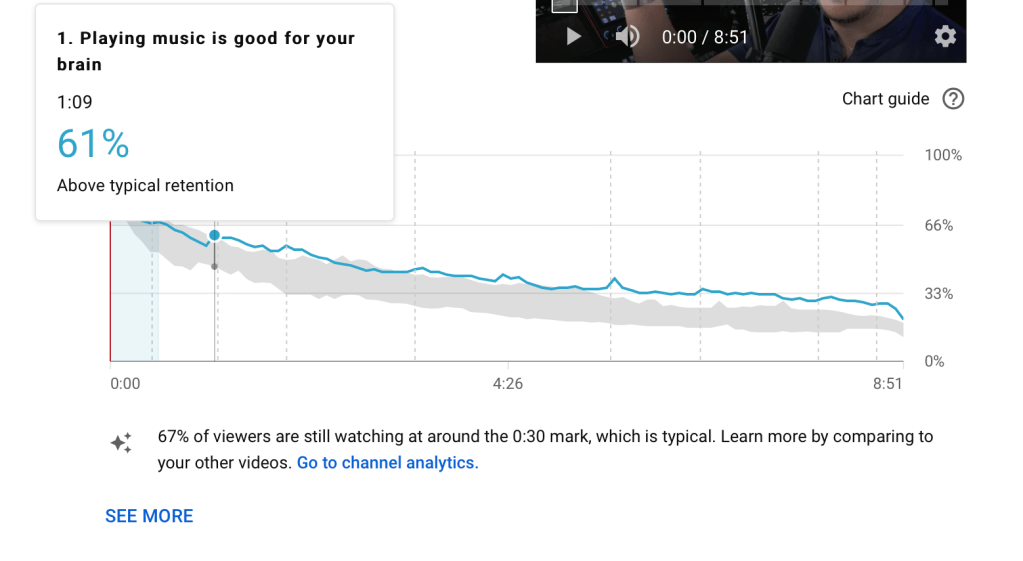
While you’d think these lower raw numbers for ad views would be detrimental, it can actually make you look better.
If a video has 10,000 views and gets 200 sponsored link clicks driving 50 purchases, 200 clicks divided by 10,000 views 2% clickthrough rate, and 50 purchases over 10,000 views is a 0.5% (raw) conversion rate. However, given 50% of your viewers watched the whole ad, factoring that in to the calculation doubles your rates. Swap 10,000 with 5,000 for the math above and you go up to a 4% clickthrough and 1% conversion rate. While yes, impressions on the admight be lower, it shows that the ad itself is more effective than raw numbers would have you believe.
This is data most companies can’t track. They can see how many views a sponsored video or stream might have, but they probably don’t have this level of specificity in that data. Providing information on not only how many people watched the video, but also what percent actually watched the sponsored segment will simply be extremely useful datafor a company to more accurately measure the success of whatever campaign they’re running. It also makes you appear more professional in the process with the extra data and will show the company you’re more effective than they realized. Creators who companies like to work with are typically the ones to get more brand deals.
Do this on top of some other practices I mentioned earlier, like bit.ly whether or not a company provides a link or Amazon Affiliate linking if they don’t. If your activation is on multiple platforms, bit.ly is especially useful, because it differentiates traffic sources as well, saying how many might come from Twitter, YouTube, or other platforms —keep in mind if you’re on the free version, data lasts only 30 days.
Companies Want Returns on Investment, and Sponsorships are an Investment
If you add offers for ways you can report your results to them, like bit.ly tracking, gathering social metrics, calculating the % of viewers that watch an ad read, or anything like that, you’re giving brands a lot of confidence in you as a creator. Lots of creators will not report any data, and the only measurements you get are the tracking links you give them, and in many cases, brands aren’t going to ask for additional data. However, if you add this as an offer, while it is a bit of extra work, it’ll make you that much more appealing to #GetSponsored. Quick reminder, with all this talk on numbers, remember that you are a person, not your content or numbers, though knowing how to report on them is extremely useful in brand deals.
This advice, like many things, is all about making it as easy as possible for companies to want to work specifically with you. The vetting process is tedious, and many companies don’t have any systems in place at all to work with creators. The more high-quality information you include in your deck, like example activations, past results, and how you report data, the easier it will be for companies to trust you. Make sure you actually deliver on what you promise, ideally exceeding it, and keep at it!
This process of tracking is one way you can be a professional creator—one of the two types of creators companies want most for brand deals. Check out my post on that, and happy creating!
 Andy Cormier