
The Shure SM7B is a gourmet burger, but the Wave 1 is In N Out. You’ll understand why at the end of the post.

These Mics are Very Different… but used in similar ways
The Shure SM7B is a Dynamic XLR microphone costing $399, while the Elgato Wave 1 is a USB condenser mic costing $70, or $50 when on sale. These mics couldn’t be more different:
- One is dynamic, one is a condenser.
- One requires an XLR interface, one operates over USB
- One has a studio price tag, one is amazingly affordable
…but people use these mics for more or less the same thing: content creation.
Affiliate links support my content! Buy the Shure SM7B here, and get the Elgato Wave 1 here.
But First, what are Dynamic and Condenser Mics?
Dynamic mics are relatively non-sensitive and are great at rejecting background noise. This makes them ideal for their typical uses: broadcast, spoken word, and live performance, though they do need more amplification (via higher gain) in audio interfaces. They’re so non-sensitive because they function differently than condenser mics. Dynamic Mics are passive and only activate when a sound wave vibrates the diaphragm, converting the sound wave into voltage.
On the other hand, Condenser Mics are active, with a diaphragm that’s powered typically either via USB power or via XLR with 48V phantom power. They also convert sound waves to voltage, but because they’re “always on,” they’re more sensitive. This sensitivity means most condenser mics don’t reject background noise well, but this also makes them ideal for studio recording thanks to their sensitivity to capture everything.
That all said, no matter what type of mic you use, you’ll want to place it relatively close to your mouth, adjust settings so you’re not peaking while speaking into it, and make some effort to reduce the background noise in your space.
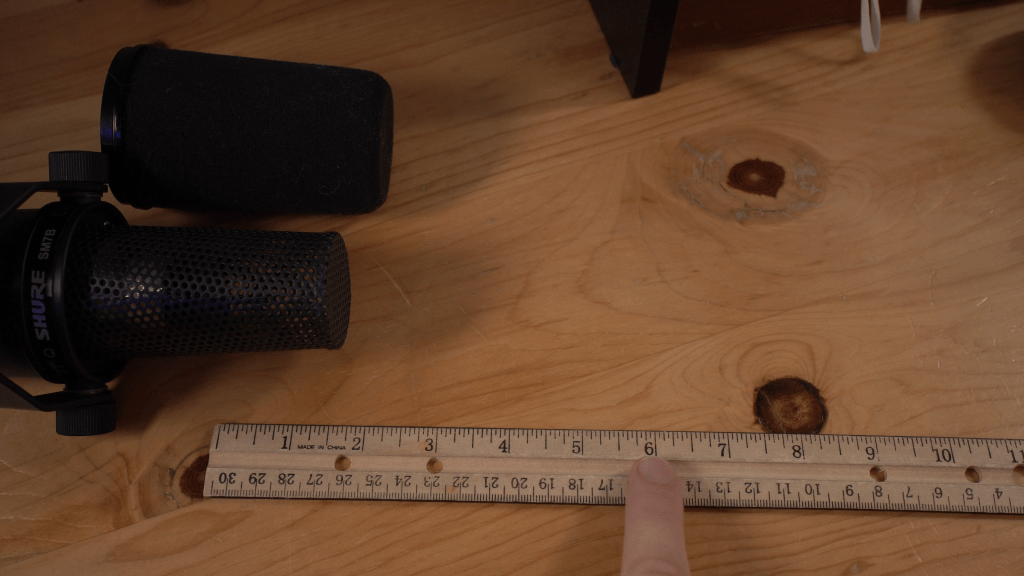
With that introductory knowledge, back to the comparison!
Shure SM7B: The King
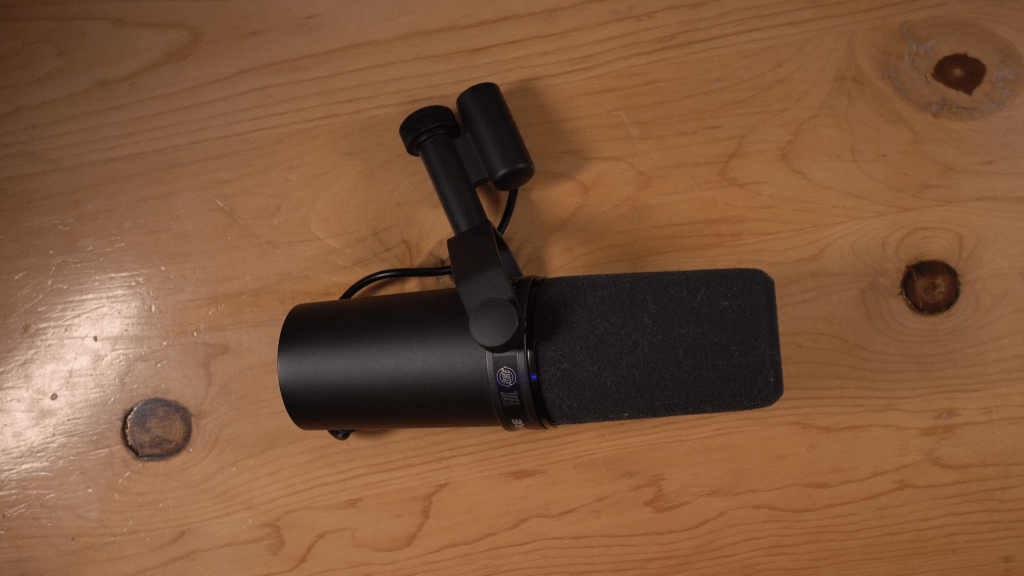
The Shure SM7B is an inescapable mic. Chances are most podcasters, streamers, and other creators you watch use this mic, and that’s for a good reason—it’s really good.
The Shure SM7B is a dynamic mic meant for professional broadcasting, meaning it frankly isn’t for everyone. TO get the most out of it, you probably need a superb XLR interface, potentially a cloud lifter to add clean gain to this gain-hungry beast, and superb mic technique. As a dynamic mic, it’s great at rejecting background noise, but that also means you need to be quite close to the mic for it to pick you up properly.
Refer to the video for sound samples! And I used the Night by Noble ocarina for the music test
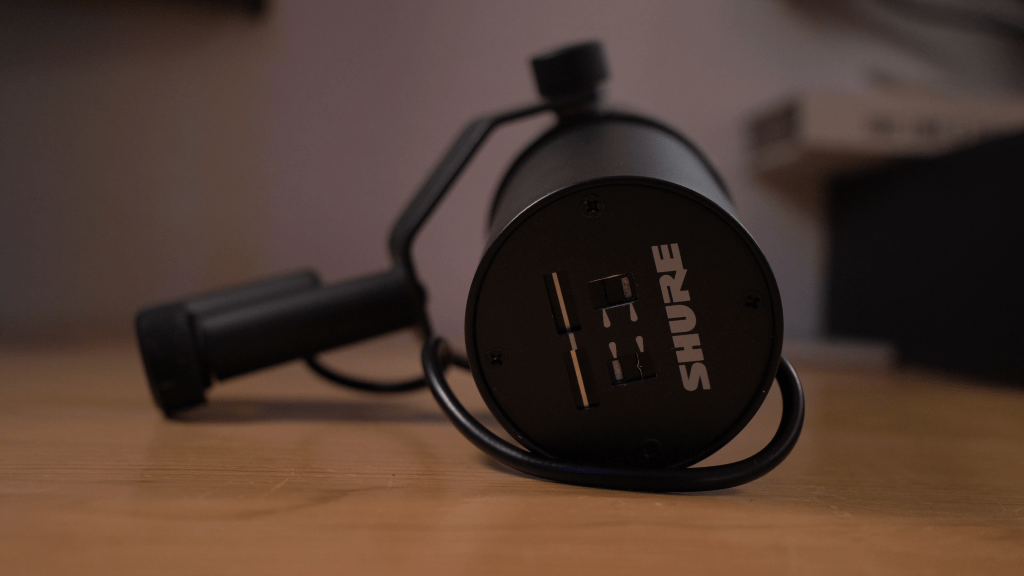
I will say that for most people recording spoken word and even some music, the Shure SM7B may be one of the very best microphones, but that comes at a cost.
The mic alone is $400. A good XLR interface will range from $99 to hundreds of dollars. A good mic arm to keep the mic close to you will cost around $100. Sound treatment, depending on your space, can cost hundreds, and this can lead to a mic setup that costs well over $1,000 to get the most out of. Not to mention the steep learning curve of learning how to use advanced audio equipment in the first place! A lot of people make the SM7B sound bad simply because they don’t use it right, don’t have a good XLR interface, don’t learn how to adjust settings well, or any other reason related to setup or education. That all said, the SM7B has one of the highest quality ceilings of any mic, period.
Elgato Wave 1: The Best Economically
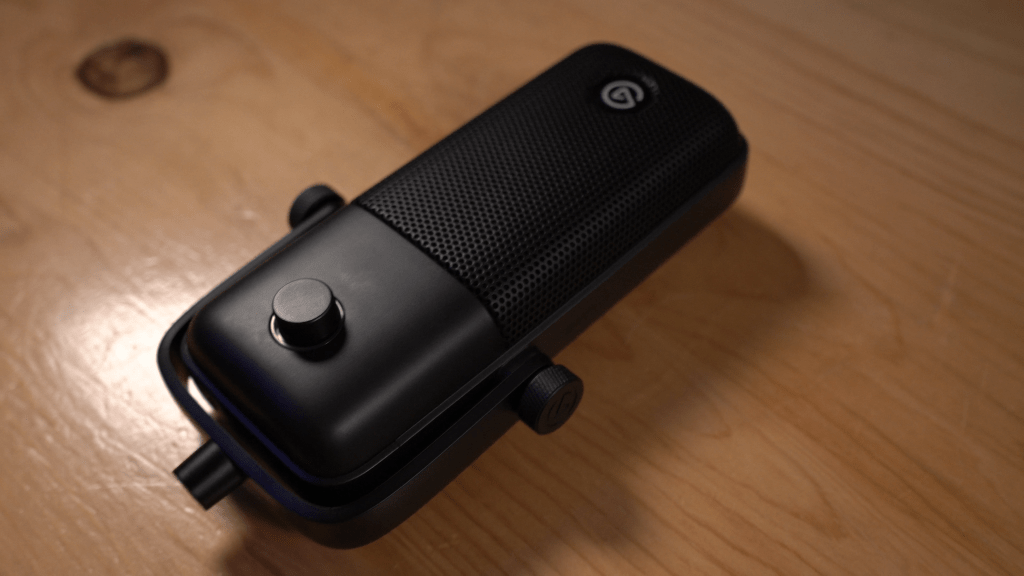
Compare this to the Elgato Wave 1, which we’ll be using to record this section. It’s a USB condenser mic, only costing $70 and with access to numerous amazing features via Elgato’s Wave Link software. It also sounds great, and I’d argue it’s the best quality per dollar you can get from a microphone, period.
It’s priced so low because Elgato keeps releasing new audio products, such as the Wave 3, which is an upgrade to this mic, the Wave XLR interface, the Wave DX dynamic XLR mic. While all those may be upgrades to this, we’re choosing the Wave 1 because the price is low.
As a condenser mic, it is a bit sensitive to background noise, but Wave Link allows you to install numerous effects to combat this such as noise gate, noise suppression, and more thanks to its VST plugin support. These types of plugins can be used in post-processing or as filters in OBS for streaming, but any processing done on the front-end is generally better for the creator use case.
Refer to the video for sound samples!
The Wave 1 is a fantastic mic. It’s kinda absurd that it’s as cheap as $50 on sale. It might not be fair to compare it to a Shure SM7B, but think about it: this $70 microphone is good enough to even compare to my nearly $800 audio setup (Mic: $400, Cloud Lifter: $100, AVerMedia AX310: $300, though I got the AVerMedia stuff for free while working there).
The Verdict: Which is for YOU?

Obviously, the Shure SM7B is the better microphone. It has much higher fidelity in its sound, and provided you use it right, is better suited for most creators’ use cases.
…but is it $350-500 better than the Wave 1? If you’re a YouTuber or Twitch streamer, you don’t need the highest fidelity sound, you don’t need the perfect studio setup, and you certainly don’t need an expensive audio setup. Unless you’re an audiophile with cash to burn or have a legitimate need for the SM7B, it’s frankly overkill for most people. Moreover, you especially don’t need equipment as expensive as the SM7B to get started. You can start a podcast with the Wave 1, and it’ll sound perfectly fine, hell you can use the voice memo feature on your phone if needed.
Improving your gear does not improve your ideas, and for the vast majority of creators, you literally just need your phone camera to get started. Maybe a capture card if you’re a gamer, but otherwise, it is frankly misguided to focus so much on gear. So many people focus on the specs and premium price of their gear when starting out when you should focus on developing your ideas.
Unless you’re a musician, professional photographer, artist, or high-production podcaster where the fidelity of your gear is a feature of the content, improving your gear will not improve your content. Even for these people where fidelity matters, a bad song is still a bad song, even when it’s recorded in a studio. A well-composed photo can still be taken with a smartphone. Only focus on gear upgrades if you’re obsesed and have the cash to burn or are building enough traction with your content to warrant an upgrade. Develop your ideas before you develop your studio.

This is all to say that for the price, the Wave 1 is outrageously good. You might want an SM7B, and you will probably sound better with one. But the Wave 1 gets you so far above the floor of “acceptable quality” that you may never even need to upgrade. If the average Twitch or YouTube viewer will prefer content over, let’s say, a 6/10 quality floor and won’t notice much difference above it, the Wave is easily an 8.5/10, and the SM7B can be a 10/10 if set up right (though most people make it sound like an 8/10 with improper use).
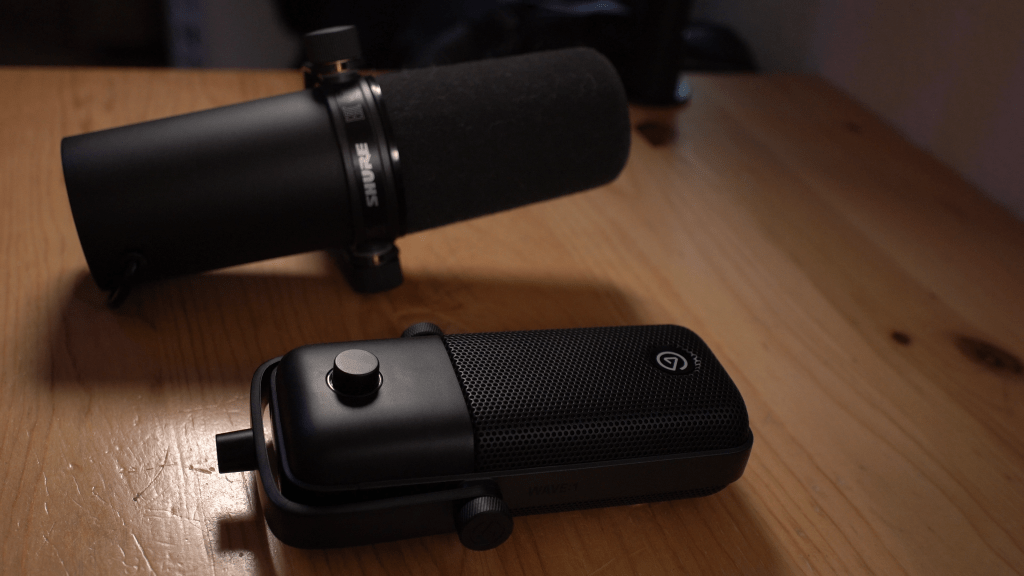
The SM7B is a better mic, and if you need it or really want it (and can afford it), it is worth the price, but the Wave 1 is just so affordable with such high quality. For my Californians, the SM7B is like, a gourmet burger that costs like $20, whereas the Wave 1 is like a $3 In-n-Out burger. Yes, the gourmet burger is better, but the quality-per-dollar economics on the In-n-Out burger are unparalleled. The Wave 1 is some of the best quality-per-dollar of any mic I’ve tried, and for most of you, it’s more than enough.
If you’re struggling with impulse purchases for gear you want but might not need, I have a video on that! It goes through the lens of buying ocarinas, but you can apply the exact same process to any gear upgrade you’re considering.
 Andy Cormier