
You’re creating the content you want to see in the world! You found a niche, you have a unique voice, and you’re sharing personal insights while entertaining your healthily growing audience. No one makes content like you. You’re an original…
But how did you get there?
Probably by being unoriginal.
I’m Andy, a marketer, musician, and creator sharing strategies I’ve used on the job and in my content to help you improve your creativity! Be sure to subscribe to my YouTube channel, watch the companion video to this blog, and leave a like if you learned something. Let’s begin with the surprising virtue of unoriginality!
When Starting to Make Content…
You have your interests, probably know the general type of content you want to make. Maybe you want to stream a particular game, make videos about a particular topic, produce music in a particular style, write blogs about a particular field. In these early stages, you know what you want to do, but as every creator advice person says, you need to find a unique niche in order to stand out—it’s hard to do something better than the experienced big names, so it’s more manageable to be different.
How do you do that?
Chances are, the process is already going on subsonsciously in your head.

Build from What You Watch
Have you ever realized that something in your content has a peculiar similarity to content you’ve previously watched? Maybe it’s the setup for a joke, a particular edit, or some skill you’ve chosen to improve. Obviosuly, you’re not intentionally copycatting someone else’s videos, but by consuming content from creators you admire, you’re learning. As you start making content, you might see something and without realizing make a mental note to try it later. You’re passively absorbing new ideas you can use from other people.
One of my favorite books Steal Like an Artist by Austin Kleon—something every creator should read—goes in depth about this type of inspiration and how you can turn this subsconscious process of passive absorption into active, supercharged, creative growth.
A key idea Kleon presents is that nothing is original (but that’s a good thing). If nothing is original, you need not pressure yourself to always have wholly original ideas from scratch—take inspiration.
- Who inspires you?
- What about what they do inspires you?
- Can you break down particular elements from what they do that you can implement?
- And who inspires the people who inspire you?
This is not a free pass to be a copycat. Don’t steal ideas or content, but take inspiration from what connects with you—steal elements of how something is made, not what that thing is. The things you enjoy and connect with in other creators may be a reflection of your own voice trying to make itself heard. Your voice probably looks like an amazing blend of elements you’ve absorbed from creators who inspire you.

Find Your Voice: An Exercise

If it’s important to distill specific pieces of inspiration from content you consume, how do you even get there? And how can you make it relevant to the niche you want to build?
First, consider around two steps of specificity into a niche. Gaming is just step one: step two would be gaming creators who do something like comedic content, challenges, speedruns, tutorials, or content around a specific game. Likewise, vlogs are just step one: step two would be vloggers who travel, share a certain lifestyle, discuss fashion, discuss health or fitness, do challenges, or even mix some of these elements, like a health challenge with comedic writing.
The point is, if you consider the content you want to make, what two steps of specificity might it sound like?
I make educational content for creators and ocarinists.

Next, find creators in that niche, ideally ones you already enjoy watching, and identify what works about their content. Is it their script writing? Storytelling? Comedic timing? Quick wit? Digestible education? Seamless editing? Amazing B roll? Something about their video format or presentation style? Relatability? Also note they don’t need to be in your niche, but they should have some element you can implement in your content!
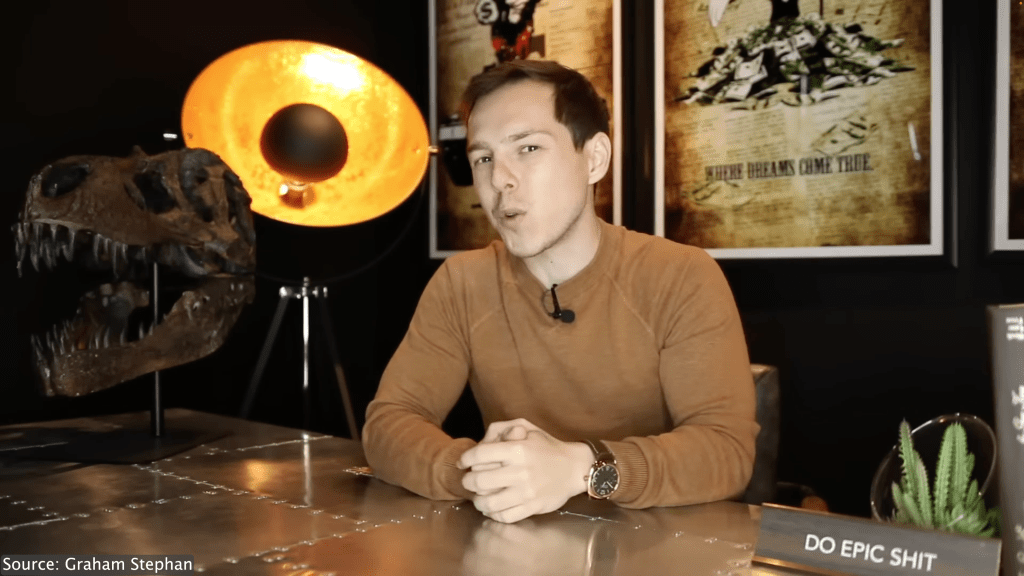
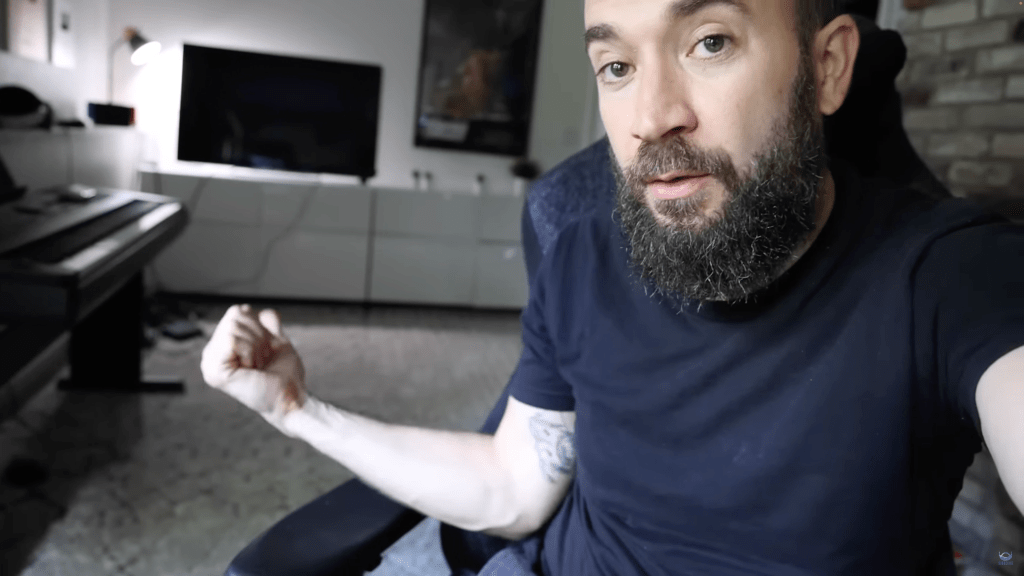
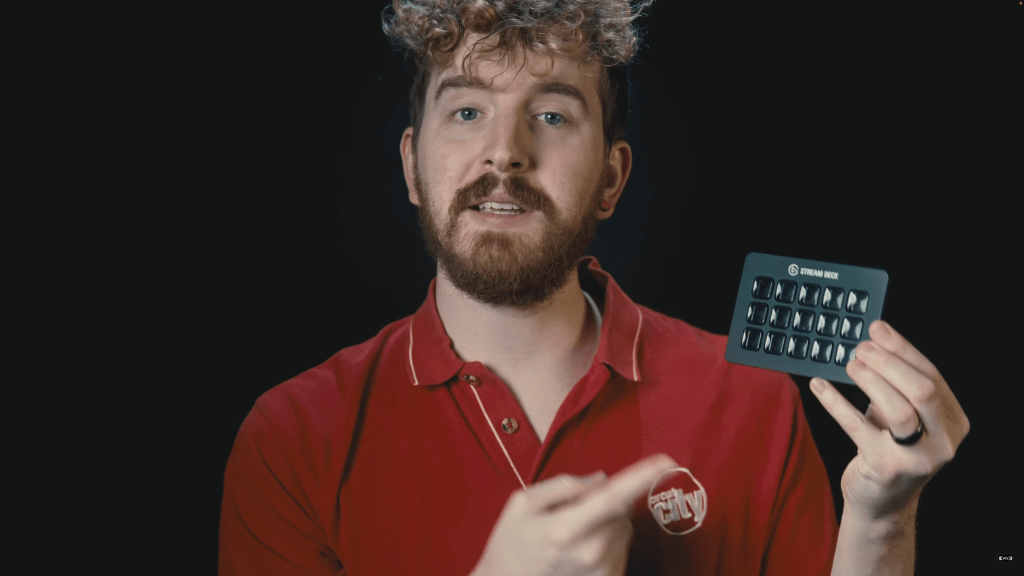
Some elements about creators who inspire me include the relatable education of Graham Stephan’s earlier content, the B roll of Better Ideas, the entertaining education of WheezyWaiter, the challenge and aspirational production value and storytelling of Michelle Khare, the relatability and teaching style of Ali Abdaal, and the digestible technicality in presenting ideas of both EposVox and Senpai Gaming (all people in order below).
These are all potential factors, and I haven’t even implemented them all in my content yet, but your results will vary. It’s your voice we’re looking for, not mine.




Last, once you’ve identified elements you’d like to blend, what skills do you need to actually do them? Snappy editing would mean you need to get above average with software like Premiere Pro, After Effects, Final Cut Pro, or DaVinci Resolve. A quick wit and good comedic timing might mean taking improv classes. Great storytelling might require further study of creators and television shows that do it well. Shooting great B roll requires both study and lots of practice. Connecting with your audience might require some study of marketing to be better at identifying how to connect with them.

Originality lies past Unoriginality
At the end of this process, you’ll realize more and more that originality lies after you’ve taken unoriginality to its limit. In the chapter “Staying on the Bus” of his book 4,000 Weeks, Oliver Burkman discusses that patience and persevering will often lead to more originality than only trying to do something new. Read my review of the book here too!
“If you always pursue the unconventional in this way, you deny yourself the possibility of experiencing those other, richer forms of uniqueness that are reserved for those with the patience to travel the well-trodden path first.”
Chapter 11, 4000 Weeks by Oliver Burkeman
Know the rules before you break them. There’s a reason you learn scales, funamentals, and classical music before jumping into jazz when learning an instrument. Making something new is often all about rearranging the building blocks that are already there in a new way. And strangely enough, by getting good at rearranging the blocks that already exist, you might find new, wholly original blocks there too.
This Actually Works
The idea of distilling the best elements from the creators who inspire you and making something new from it also isn’t an original idea. Austin Kleon discusses it in Steal Like an Artist, a book many creators say was their biggest inspiration, and Oliver Burkeman discusses a similar concept in 4,000 Weeks, the book that has inspired me the most in recent years. Furthermore, this exact concept applies even more in a business scenario when the content you’re making is less personal—learn from what you see in the competitive landscape!
Finding your voice and developing your niche are a result of studying those who inspire you. Implement what you connect with and blend it all into your own unique perspective, then develop the skills to execute it! What you connect with is your voice waiting to be heard.
To be original, start with being unoriginal.
If you want more insight on developing your ideas, voice, and content strategy, watch my video or read my post on building a content temple—it’s a framework further develop your niche which complements these ideas amazingly!
 Andy Cormier