
Have you ever applied for a brand deal, see you tick all the brand’s boxes, then get sent an email saying, in short, “thanks, but no?” It sucks when brand deals are exclusive, but why though?
Brand Deals as Marketing
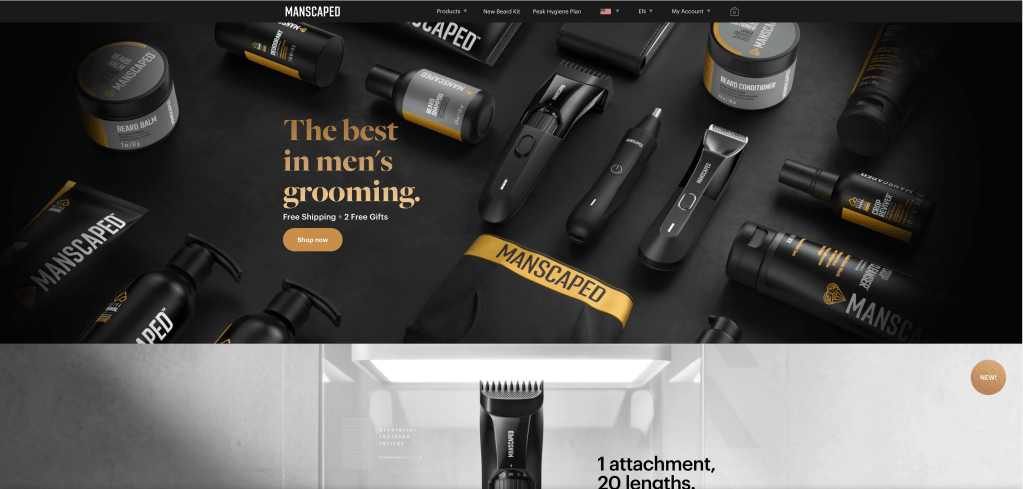
For many companies, brand deals are a function profit… investing $X in creators provides $Y profit. Look at the heaps of infinitely scalable digital products like VPNs or tangible products with (presumably) crazy profit margins like Manscaped—they sponsor a ton of creators.
Many other companies, however, are much more exclusive. Things like Elgato or Logitech partnership fall into this category, and when I managed the partnership program at AVerMedia, we were very exclusive. There were easily hundreds of applicants for partnership, but we only selected ~5-10 once or twice a year.
The point is, even when brand deals are generally profitable for companies, they can be extremely exclusive to earn. Let’s delve into why!
Limited Budget / Units
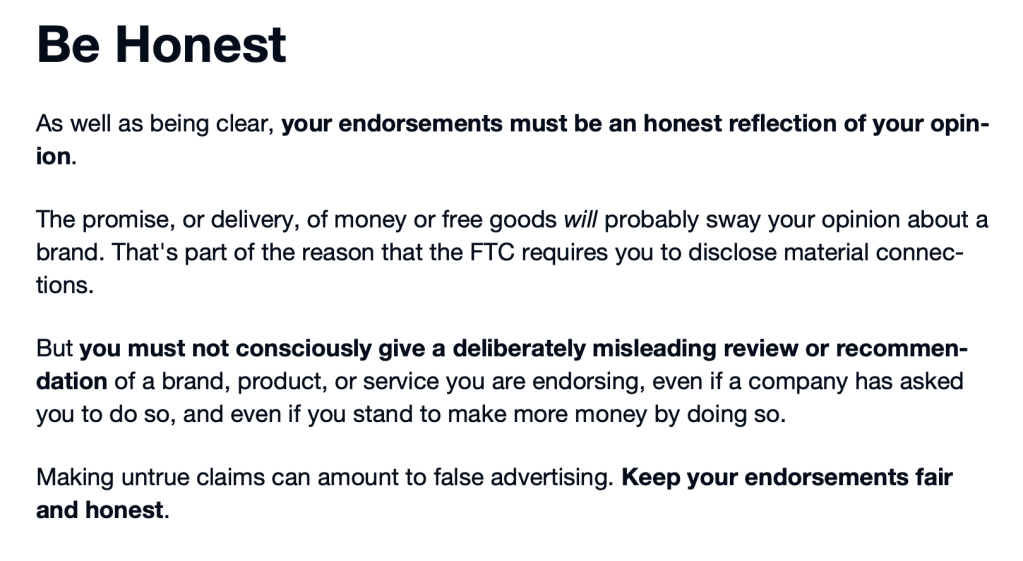
Especially in companies that produce more expensive products with thinner profit margins, they have to be more choosy with their brand deals. Oftentimes, companies will send sample units of their product to a creator during negotiations before the creator agrees to advertise it—it’s actually against FTC guidelines to promote products you don’t believe in, at least not believing in what the company has you say.
If products are expensive or if they simply have limited units available for marketing, companies simply have to be choosier over who they work with. Companies like Elgato let the creators come to them with their partnership program.

Creators submit an application, and if they’re chosen for partnership, the company puts together a care package balanced between products they want to promote and products that would genuinely help the creator. These companies definitely also contact creators to ask them to partner in some cases, but the point is, this bypasses the product testing issue because the creator is opting themselves in before ever getting the products. This requires a bit more effort on the company’s end, but you’ve got a good chance to get creators who already would vouch for the products.
I don’t know how many partners Elgato pays for their promotion, but in my experience working for their competitor, many creators in these types of partnership programs may, in a vague, non NDA-breaching way, be happy getting useful hardware, getting a say in what products get made, and early access to these products. The point is, partnership programs with a pull approach, in that the creators must contact the company, can really help when budgets or hardware units are limited.
Timing
Aside from the companies that primarily market through creators (IE. Vessi, Raid Shadow Legends, VPNs, Nebula, etc), companies generally work with creators when there are particular campaigns or product launches. If it’s a slow season, the timing simply might not be right, and thus their existing partnerships or sponsorships simply may be shut off. If you’re actually the perfect creator for a particular brand partnership and they say no, it’s either a timing or budget issue!
Relationships Aren’t Scalable
Notice a difference in verbiage between “sponsorship” and “partnership.” Sponsorship is more or less exchanging money for advertising, while partnerships are more of a long-term relationship. The most exclusive programs are almost entirely partnerships. In high-quality partnerships, the relationship between company and creator is vital. You can make up a lot in marketing budget and huge paid activations when you provide products the creators want and spend a lot of time showing you care. I’m still friends with a lot of the creators I worked with form my last job, and that’s because I care!

On top of that, to scale relationship building, you generally need to hire more people to manage them. Yes there are tools to help scale these kinds of things and manage relationships better, but there is simply a limit to one person’s ability to form real connections with people. If budgets are limited such that a company needs to be choosy with who gets their products, they probably don’t have the budget to hire more marketing people. I’ve seen so many horror stories of creators working with company representatives who simply don’t seem to care, even in “billboard” brand deals (IE. a sponsorship where there’s minimal relationship and you’re simply paid for an ad read), and as someone in the industry, that rep is probably overworked communicating with way too many creators and literally cannot give all their attention when any particular creator needs it. Relationships aren’t scalable!
On that note, it goes both ways. In my last role, if someone had huge numbers but didn’t put any effort into their partnership application, they wouldn’t be considered. How could we guarantee they’d be the type of creator we even want to represent the brand? And every one person we say yes to, there’s many more we’re rejecting—we didn’t just pick the people who were a “yes,” but also the creators so unique, communicative, and skilled that they were impossible to say no too. Relationships go both ways, and if I’m putting in the effort to maintain relationships and connect with partnered creators, I’m hoping those creators will connect with me too.
The point is, relationships require real connection, which simply requires a human touch. Not only do companies need to do their due diligence to pick the right people to have that connection with the company, but maintaining said relationships takes a lot of effort! Even if a company has unlimited money and products to send, relationships matter, and there’s a limit to what even an employee with the best relationship management systems can healthily maintain.
Highly Curated Branding
On that note of relationships, companies may also limit the amount of creators they work with so that they can maintain a certain branding or perception. Luxury brands wouldn’t seem luxurious if they sponsor hundreds of people on a monthly basis and lose their apparent exclusivity. Even if exclusivity isn’t the issue, companies may have narrow definitions of who is a good “brand fit.” Apple has the resources to sponsor as many creators as they’d like, but I think I’ve only ever seen them send hardware to reviewers, and even then it’s only the top few.

Companies like Logitech or Elgato are largely the same, and it isn’t even just “luxury.” If Logitech released a mic they advertise as “for podcasters,” even if you’d be a great fit to promote it for a different use case, they’d probably only work with, well, podcasters. If it’s “for everyone” it’s for no one. Even if something has many use cases, like a mic, brands curate their branding so it’s for someone (instead of no one).
How to Get Picked
Acknowledge what’s out of your control, like timing or branding limitations, but focus on whaty you can do! Make better content, be more communicative, understand how your content fits into the business of brands you want to work with, and become so good they can’t miss the opportunity of working with you.
I’d recommend reading more articles from my for creators page as well to start learning those skills!
 Andy Cormier