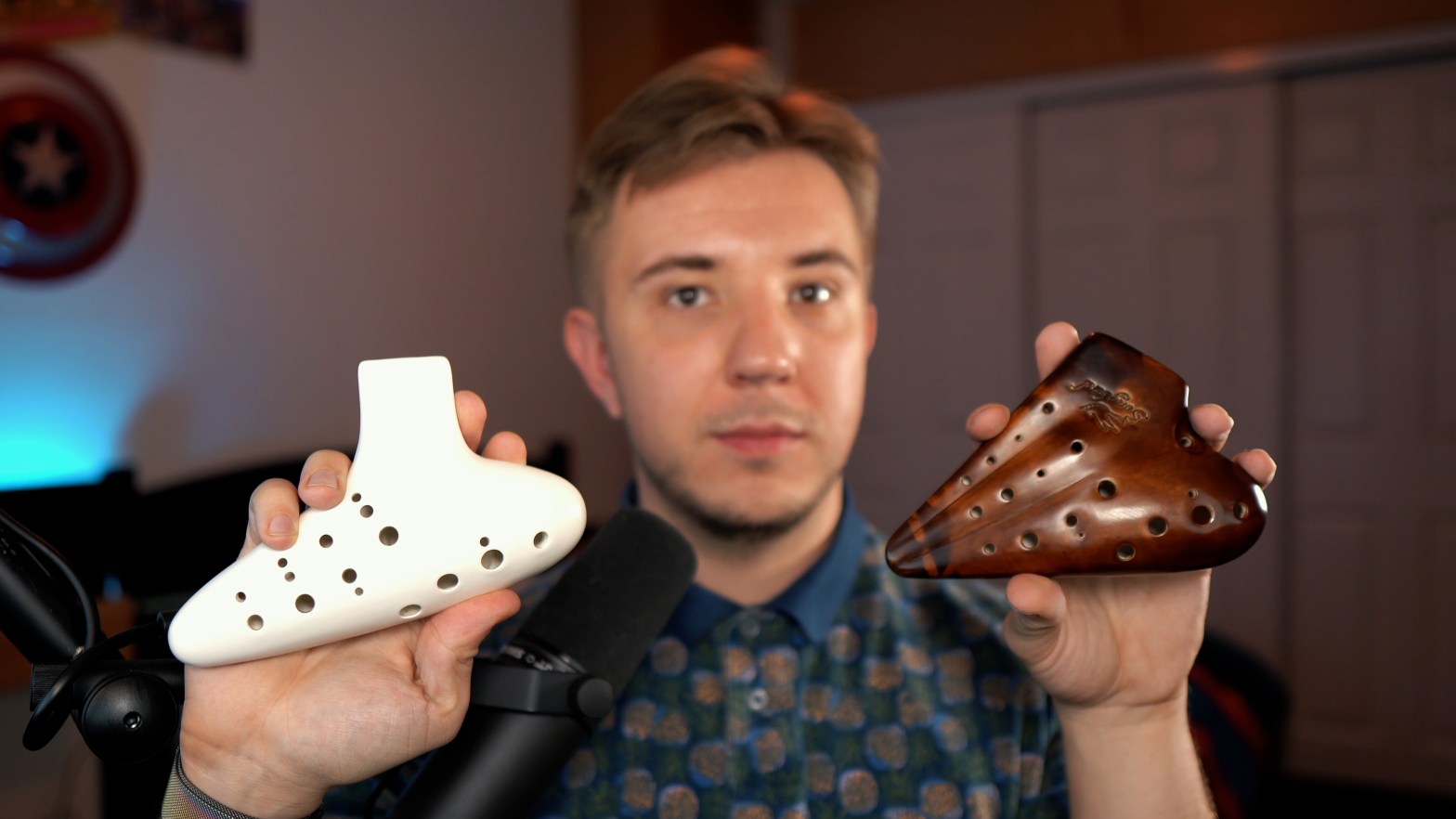
On online ocarina communities, there has been some debate about how we all collectively present the ocarina—people frame it as a stepping-stone instrument, “that thing from Zelda,” or as a serious instrument. How have these perspectives helped the community? Are they true? Is the ocarina a serious instrument?
The Ocarina as a “Stepping Stone” or “Casual Instrument”
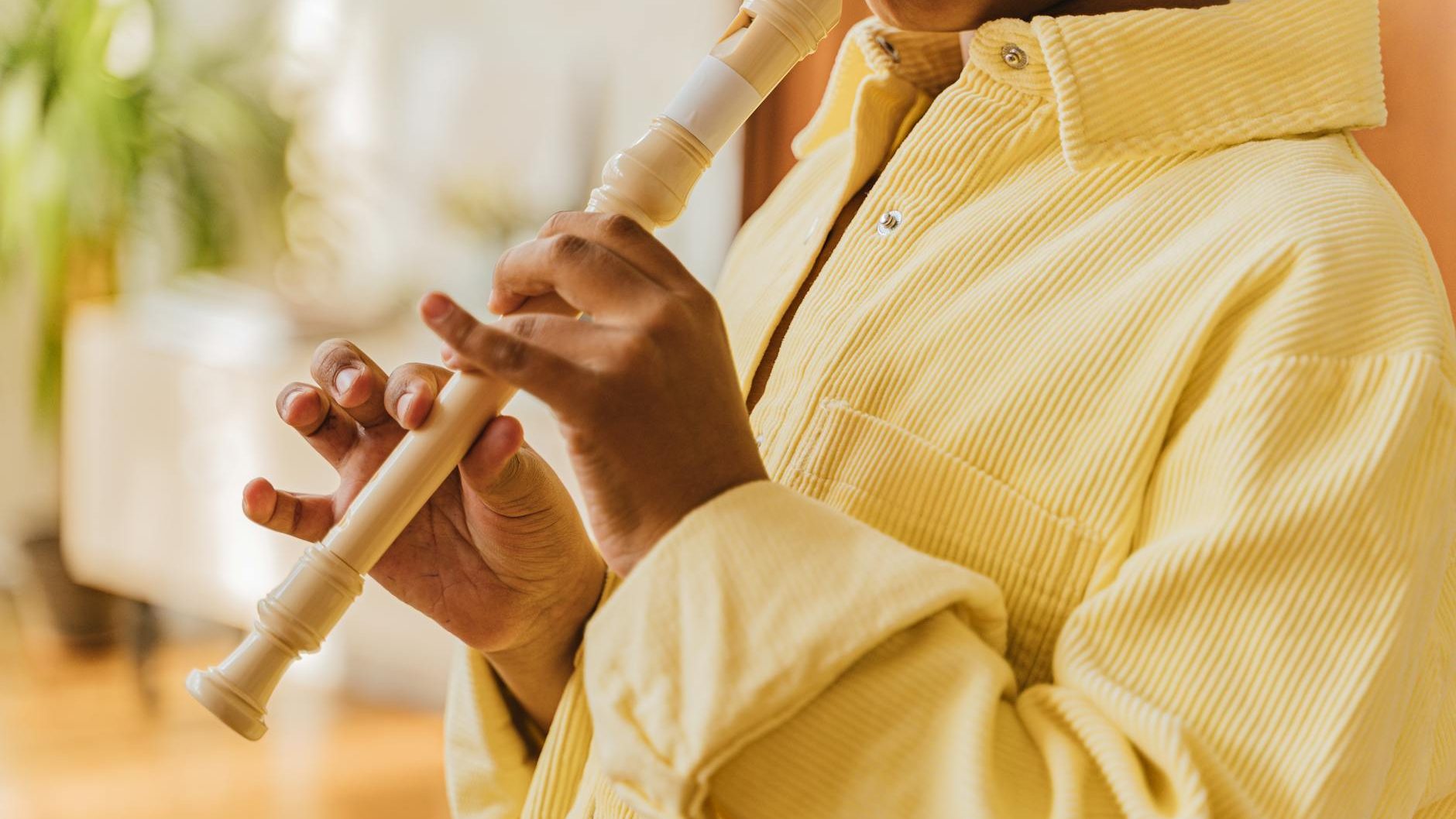
Compared to very many instruments, the ocarina is quite easy to learn. It takes many years to master, but for some, it might only take a few days or even hours to reach basic proficiency. Because of this relative accessibility, there’s been a small-but-powerful movement to use ocarinas for elementary school intro to music classes instead of recorders led by people like OcarinaOwl. Some students stay with the ocarina, while others now have a musical foundation for other instruments.
I fully agree with this approach, since I’d say ocarinas are even easier to learn than recorders due to recorders jumping entire octaves based on breath pressure, while ocarinas don’t—less squeaking is good! Some people think that saying an ocarina can be a stepping stone into music makes it be seen as only a stepping stone, and that is something we should be careful in how we discuss the instrument! It’s easier to learn than most instruments, so it absolutely can be a stepping stone for new musicians, but it isn’t exclusively one.
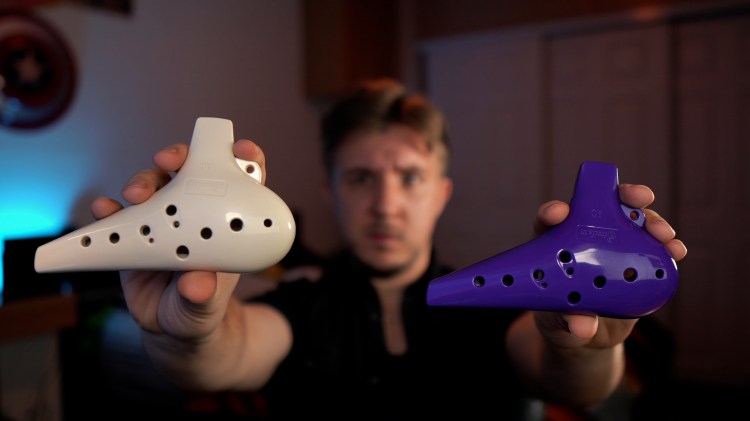
Similarly, many people pick up the ocarina later in life because of that ease of learning, as well as the small size and portability. Very few instruments are as portable as an ocarina, especially plastic ones. This makes the ocarina perfect for more casual musicians who might want an instrument they can carry at all times—I always have an ocarina in my backpack! This enjoyment of casual-ness often comes along with people who pick it up due to a love for Zelda as well (I was one of those people).
The Ocarina as the “Zelda Instrument”
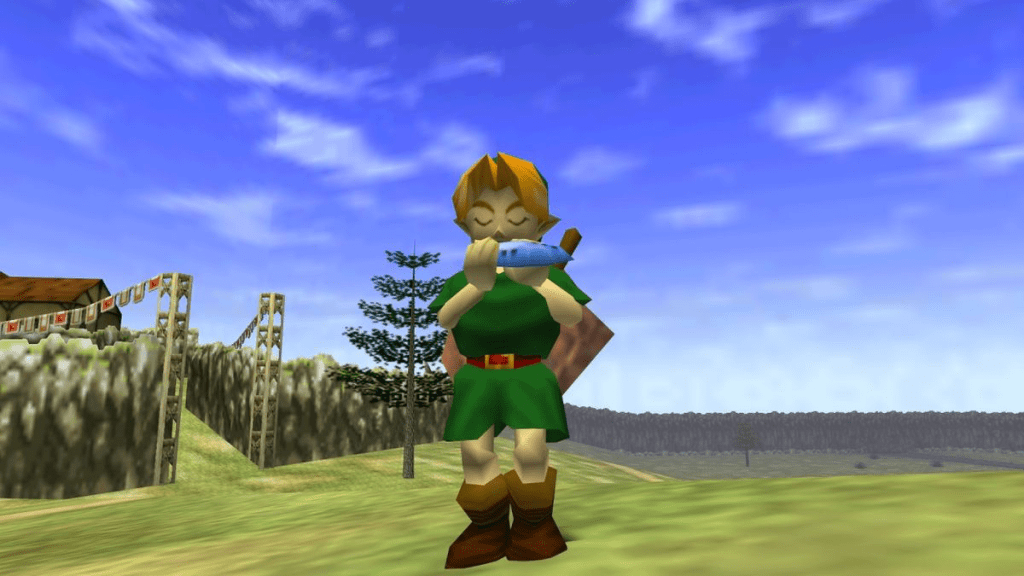
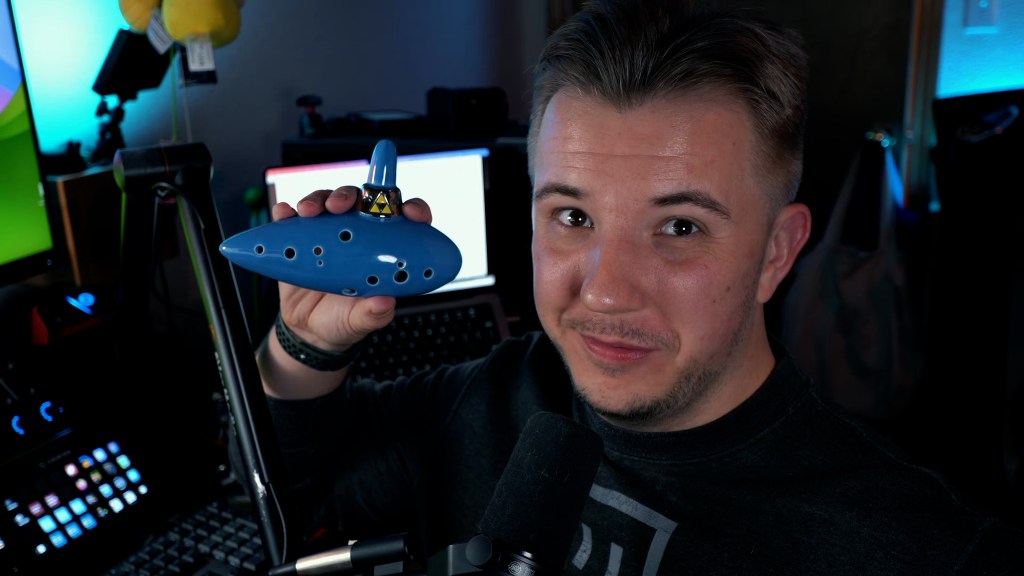
Outside of Asia and Italy, where the ocarina is more well-known, most people know the ocarina through things like Zelda. Consequently, Western ocarina communities outside of Italy tend to have deep ties to the instrument in that context. For example, my first ocarina was blue, plastic, and had a little zelda triforce on it, and I bought it at an anime convention. Most people I’ve met who have ocarinas bought them because of Zelda as well. The Zelda-ocarina connection runs deep.
This Zelda connection has been an amazing force for growth in the ocarina community over the years—possibly the primary source for growth—but it’s not without its drawbacks. First, many people literally think the ocarina is a fictional instrument made up for Zelda, but that’s just the fault of the ocarina itself being such a niche instrument.

Second, many shady ocarina makers create subpar, out of tune, ocarinas of crap that happen to look like the ocarina of time, for the low price of $15. These are the top selling ocarinas on Amazon, and they are so incredibly bad that I’ve done two separate videos tearing them down. Their poor quality likely turns of new ocarinists from pursuing the instrument further, thinking they have no musical potential when in this case it was the crappy instrument! Legitimately, ocarinas of crap might be the biggest obstacle for the ocarina community to overcome, since they’re so awful and so pervasive—see my video on the vast varieties of them!
However, if not for the love of Zelda, we likely wouldn’t have the good ocarina makers, either. Without the demand for Ocarina of Time replicas getting people into the instrument, then learning to love the instrument, I bet most American makers and distributors would be out of business—remember Songbird’s ads in Nintendo Power?

Use code ANDY10 if you buy from Songbird by the way 🙂
I started with Zelda replicas, but now I have like 60 ocarinas, and only 7 or so are Zelda-related. Nevertheless, even with the help or hindrance from the Zelda connection, some would rather disconnect from Zelda entirely.
The Ocarina as a “Serious Instrument”
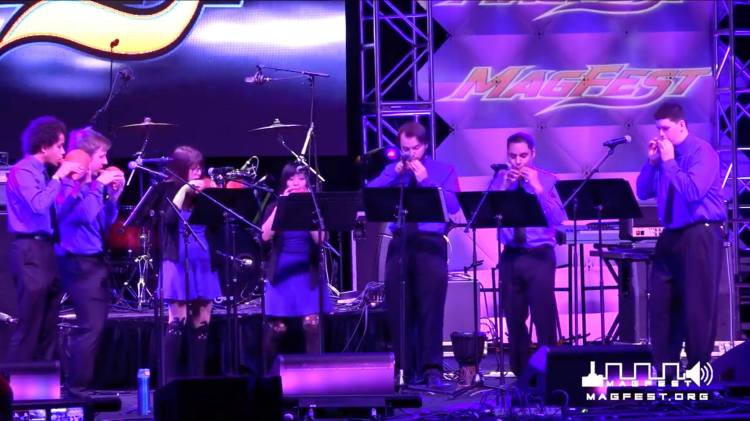
Some voices say that the more we connect the ocarina with Zelda, gaming, and other pop-culture moments that made the ocarina more broadly known, we’re doing the ocarina a disservice. Similarly, letting the ocarina fill the niche of the recorder as an entry-level instrument, it might make people take it un-seriously for professional musicians. Instead, they say we should focus on positioning the ocarina as a formidable instrument for classical and other more “serious” music in solo and ensemble settings.
I certainly can empathize with this approach. If the ocarina is only presented as a stepping stone, it might suffer the same fate as recorders in America—the cheap, annoying instrument I hated playing in elementary school—when recorders have a vibrant professional community as well. If the ocarina is kept entirely in the context of Zelda, and if folks only play video game and anime covers on the ocarina, then people might view it as a gimmick instrument for gamers instead of something that can be seriously used in “professional” musical settings, like orchestras, solos, or movie soundtracks.
There certainly is a lack of “serious, polished professional” ocarina music out there in America or central organization to find it. Not nothing—especially when events like OcarinaFest and more and more American ocarina ensembles are pushing the instrument forward—but not enough. Conversely, places like Italy, South Korea, Japan, Taiwan, and China already treat the ocarina as a serious instrument, and they basically established most of the standards we use for the instrument already. One way to bridge that gap might be to, at scale, improve the US community’s relations with these other countries with more established standards, but that’s just one idea.
That all said, viewing the ocarina as only a serious instrument alienates a huge amount of the community, as many ocarinists pick it up specifically as a casual instrument for its relative ease of learning or exclusively because of a love for Zelda. So why can’t all of these facets be true?
Let the Ocarina Be Multi-Faceted
The ocarina is a stepping stone instrument for many to understand music, then expand to or move on to more typical instruments. The ocarina is a casual instrument for many thanks to its portability and relative ease of learning. The ocarina is fundamentally connected to the Legend of Zelda in so much of the world, and the ocarina does need more work to be done to establish itself as a more serious, professional instrument as well.
All of these things are true. Denying how some people connect with the instrument on a casual or Zelda-loving basis only serves to alienate and divide the community. However, the ocarina is, and always has been a serious instrument. We still need more resources, high-level performances, and professional organization for the ocarina to be well-known and taken more seriously, but not everyone needs to take the ocarina seriously! Whether you only consider yourself a casual ocarinist, only got one for Zelda, only play gaming and anime music, or practice it like a professional, if the ocarina makes you happy, then you’re ocarina-ing correctly.
Let’s focus on spreading joy through music and art first. The serious stuff is important, and we do need more of it, but it’s useless if we gatekeep people from enjoying playing the ocarina in the first place. That’s why I always end my videos with happy tootin’ … so, happy tootin!
 Andy Cormier