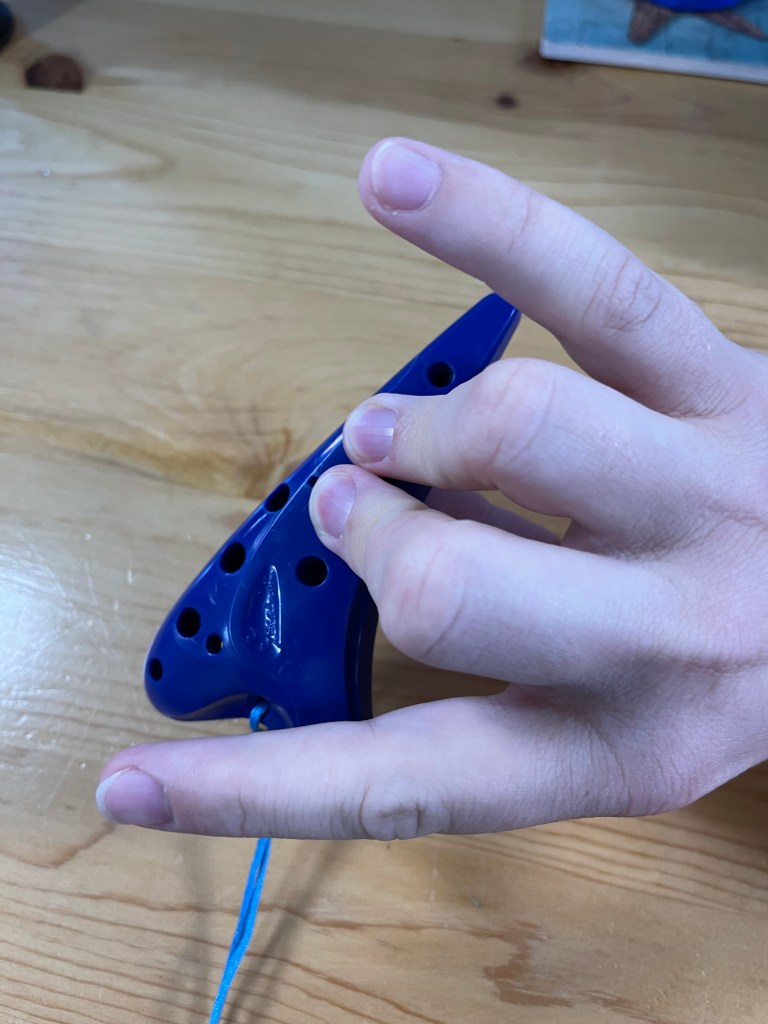
7 Reasons to Get an Ocarina

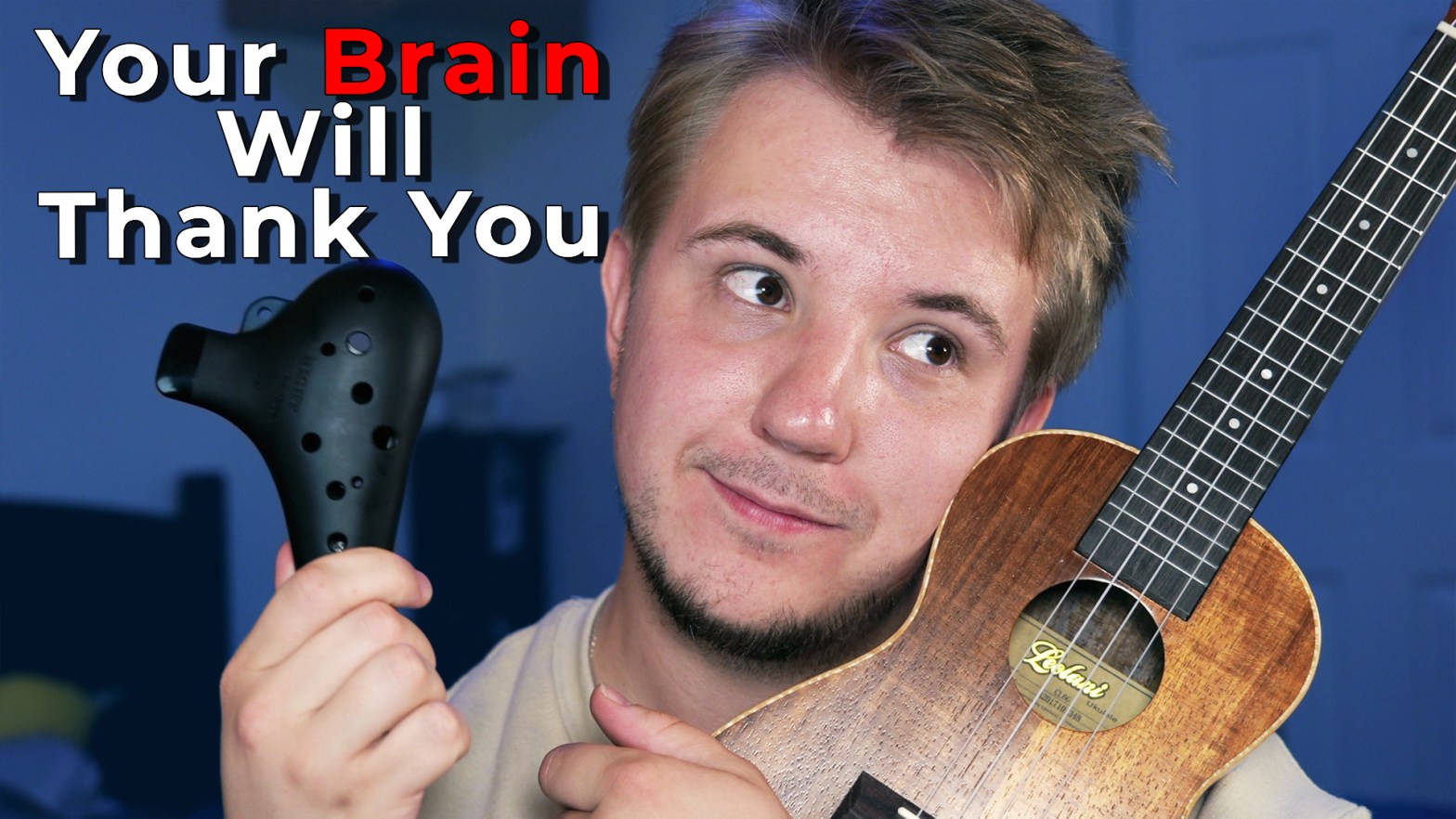
I love ocarinas. One of my life’s goals is to help more people fall in love with ocarinas, hence why I make videos talking about ocarinas (and sometimes playing them, too). I realized that my Ocarina-related posts are mainly for people who already have ocarinas, and I haven’t done much to persuade people to buy one in the first place.

So, here are seven reasons why you should buy an ocarina!

1. Playing Music is Good for the Brain

Numerous studies have shown that playing music is effectively a total workout for your brain the same way well-rounded exercise is a workout for the body. I won’t dwell too much on the science, as you can read my post on this topic for more detail, but we’ll do a quick summary:

Playing music activates both sides of the brain as well as numerous sensory inputs. All together, it is a total brain workout, providing lifelong cognitive benefits such as decreased risk of dementia and improved memory, planning, and other mental functions.

This applies to playing any instrument, and if you’re not a musician yet, by the end of this post you may find the Ocarina the best way to get that mental workout.

2. Ocarinas are Easier to Learn than Most Instruments

Learning an instrument is hard, there’s no debate to that. However, the ocarina has a significantly easier learning curve than many instruments for reaching basic proficiency. While I did have four years of trumpet under my belt when I started learning the ocarina, it took me less than an hour to be able to play basic songs on the ocarina on my first day of playing.
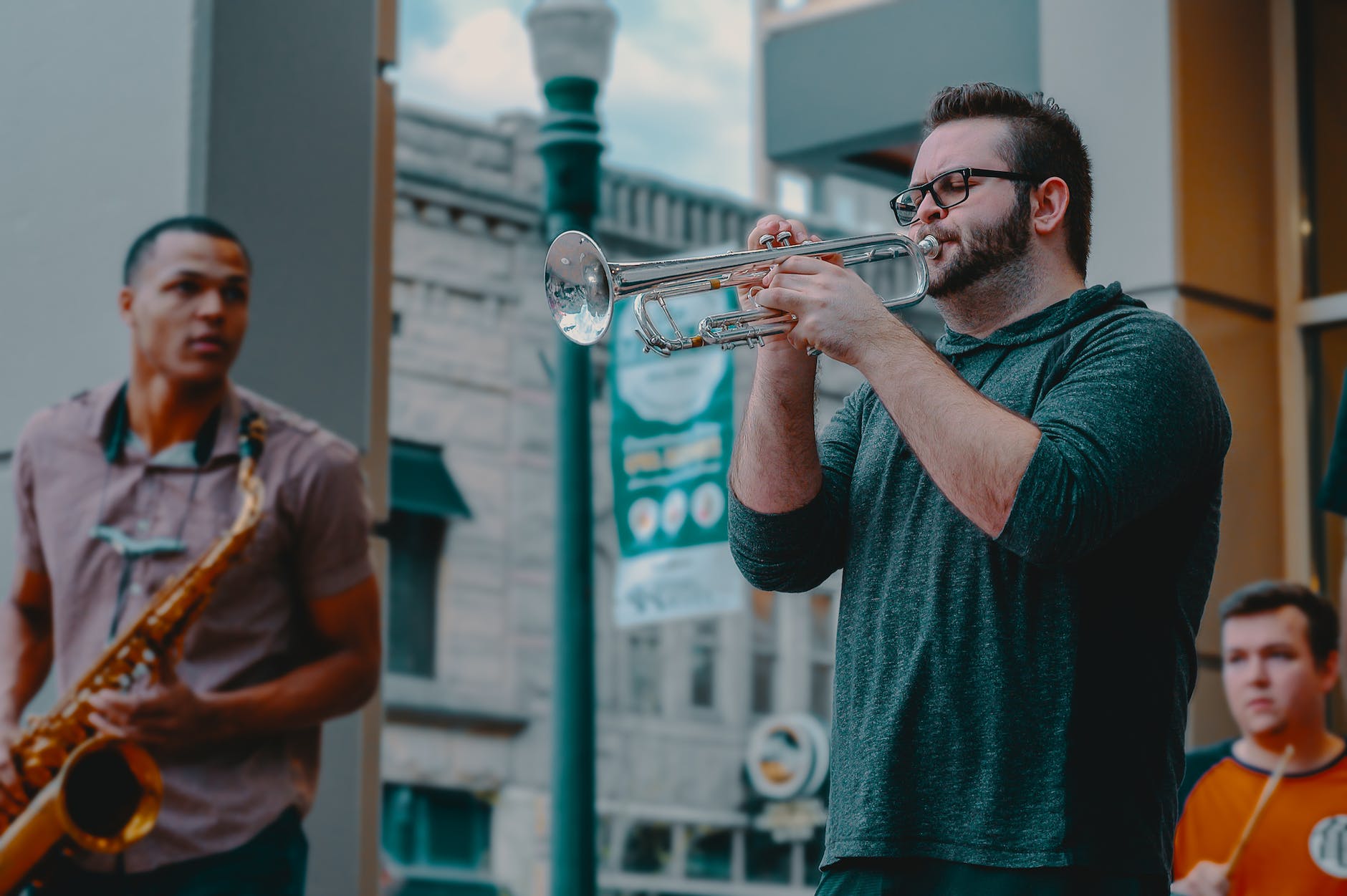
Trumpets are definitely harder than ocarinas… Photo by Brett Sayles on Pexels.com

Results will vary, but I’d argue that just about anyone with good resources (like the method book by my friend David Erick Ramos) and a functioning ocarina (like my favorite starter ocarina, the Night by Noble) can start basic playing within an hour of practice and reach reasonable proficiency within a month of practicing 20-30 minutes a day.

3. …But They’re a Challenge to Master

Did I say the ocarina journey would be easy? To get started, yes, but it could take you many years to reach mastery.

Refer to my post on whether ocarinas are actually easy for more insight, but we’ll summarize:

Playing notes in-tune, confidently is just the first step—there are loads of more advanced techniques you can learn beyond simply playing more difficult music! However, we should consider these less as techniques and more as philosophies to apply, as every individual ocarina is unique in how it’s ideally played and how these techniques can apply.

For example, you might find alternate fingerings for a note that are perfectly in-tune on one ocarina yet are horribly out of tune on another. You might apply a technique to extend the range of your alto C that simply doesn’t work on another ocarina of the same range.

The point is this: it’s relatively easy to reach basic proficiency with an ocarina compared to most instruments, but that doesn’t mean ocarinas are inherently an easy instrument. They provide more than enough challenge for someone to dedicate their life to them. Look at all the professionals in Japan, Italy, and other countries, as well as musicians in America like David Erick Ramos. If there were no challenge to mastering the ocarina, it wouldn’t be interesting to keep playing and improving.

4. Ocarinas are Affordable (compared to most instruments)

One thing that enables this continued challenge powered by the unique spirit of each individual ocarina is that they’re extremely affordable compared to most instruments.

The very best violins may cost many tens of thousands of dollars, but the very best ocarinas rarely exceed one thousand (if ever—ocarinas that expensive are typically art pieces more than instruments). Many absolutely amazing ocarinas sell for under $100-200.

For perspective, beginner violin costs around $500-1000, and a typical pro violin (not like, a Stradivarius) costs around $10,000. A beginner ocarina costs around $30, and an outrageously good pro ocarina can cost around $300 or less, and an Osawa triple, arguably the Stradivarius of ocarinas, costs around $700. That’s absurdly affordable as professional-grade instruments go.
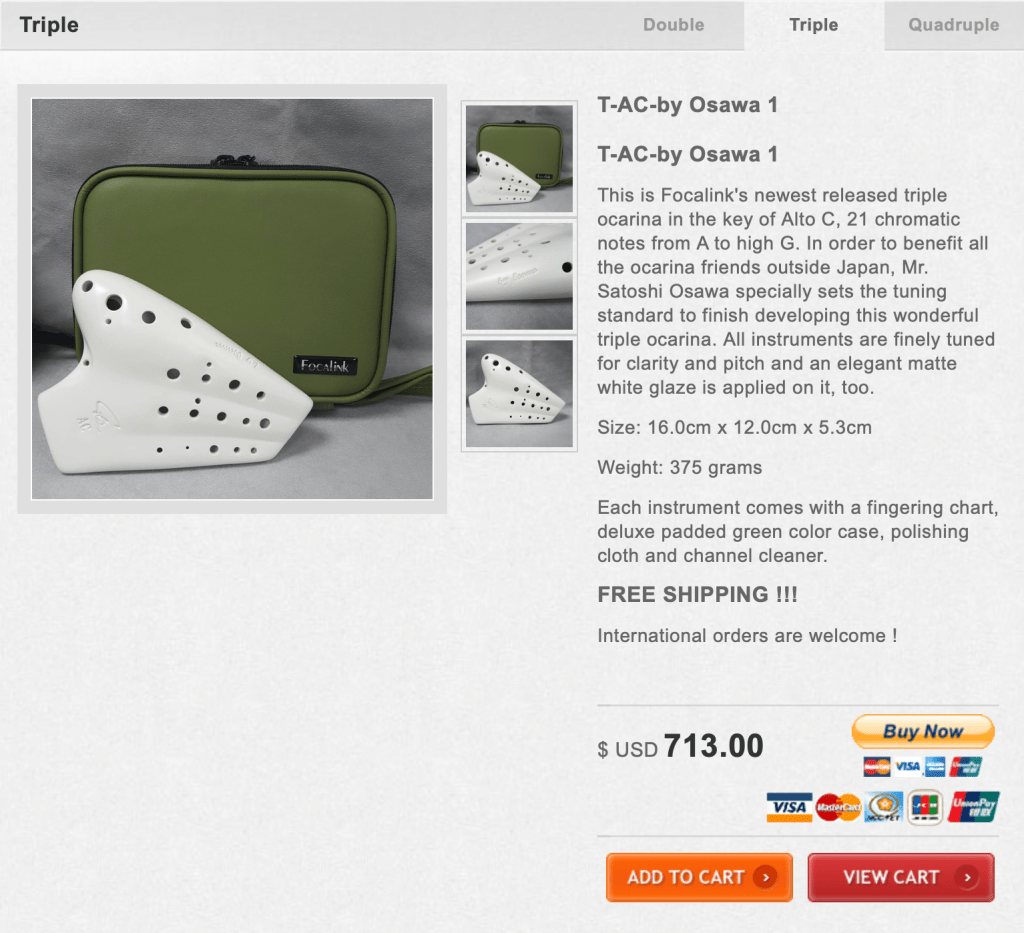
All things considered, a serious ocarinist will spend much less money on their concert instruments than most musicians. However, what ocarinists gain through low individual prices, we make up with collection.

I don’t know the exact economics of ocarinas, but when they’re all relatively affordable, it’s easy to buy a ton of them. I have around 50 in mine now, and no, I won’t think about how much that cost. On top of that, because ocarinas have comparatively limited ranges, usually a bit over an octave and a half, you might need multiples for specific projects. This is countered by the existence of multi-chamber ocarinas if all you need is range, but when many ocarinas function as small, unique art pieces, it’s super easy to collect.

If your ocarinas are negatively affecting your finances, you can watch my video on when not to buy ocarinas, but otherwise we’ll move on.

5. Ocarinas are Extremely Small and Portable (usually)

One factor as to why ocarinas may be relatively cheap is their size. Most ocarinas are quite small, even so small as to fit in a pocket or purse or to wear as a necklace. My big, honkin’ bass G and triple bass C are exceptions, but compared to a trumpet, even these are small and portable enough to easily fit in a backpack, provided you acknowledge the breakability of ceramic.

Because ocarinas are so small, I had my night by noble in my backpack every day in my university days. I bring it with me on trips. When I go to gaming or anime conventions, I often bring three or four to play different songs since they’re so freakin’ portable.

6. They’re a Great Conversation Starter (at appropriate places)

The portability of ocarinas makes them great conversation starters! I can literally trace getting my first job out of college back to connections I made playing the ocarina for fun at conventions. Basically, I built a reputation as the “ocarina guy” at FanimeCon in San Jose every year, and one year, Songbird Ocarina brought a booth to the vendor hall, and David Ramos was working it. Apparently people asked him if he knew me because of the “ocarina guy” reputation.
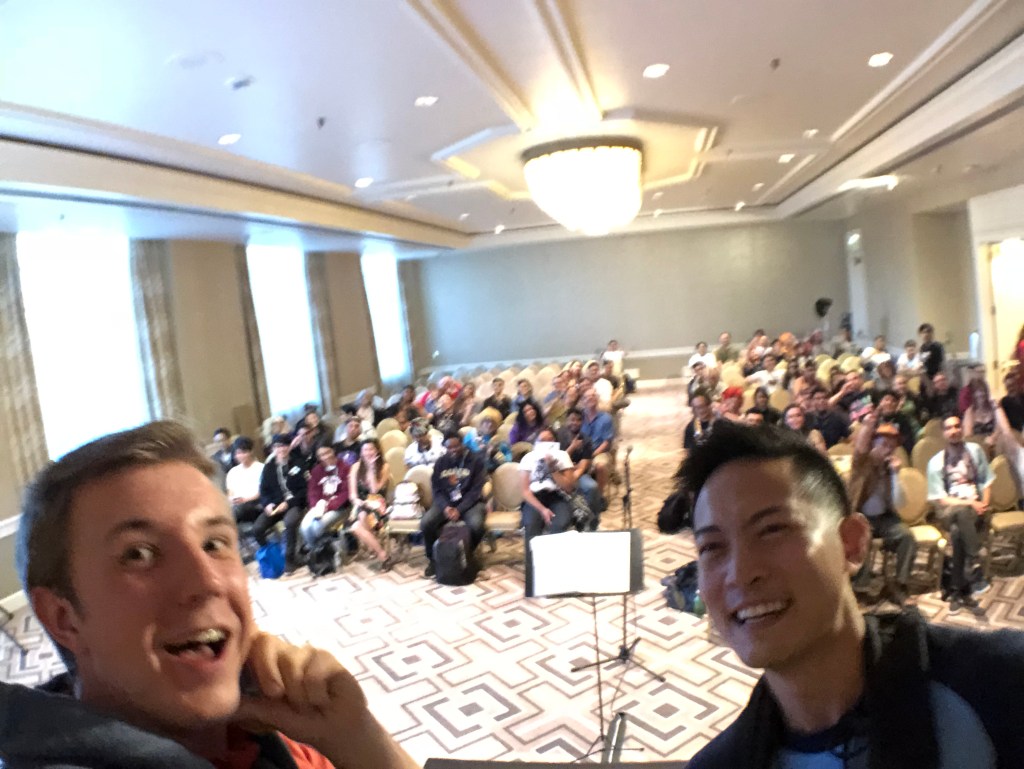
A big enough conversation starter for around 70 people to come to my panel at FanimeCon in 2018

That eventually led to me joining Ocabanda, which led to so many other things like my YouTube channel, making friends with lots of creators at events, and other things that directly influenced me getting my last job at AVerMedia. They wanted a creator with a network of influencers, and while I hate the term “influencer,” the ocarina, as a conversation starter, directly set me on the path to be the person who got hired. I’m on the job hunt now, but even in recent job interviews, I’ve had interviewers mention they found out what an ocarina is by looking me up.

Sometimes, the things you least expect can completely alter the trajectory of your life, and for me, the ocarina was the conversation starter that ended up facilitating a lot of those things.

7. Ocarinas are Fun

Last, ocarinas are fun. Like, it’s because they’re so small and relatively easy to learn with some long-term challengethat I find so much joy just having an ocarina on my desk and occasionally playing a few notes or a short song. They’re a fun expression of my interests, since I found out about them via Zelda, they’re pretty to look at, and it’s such a joy to play them.

Ocabanda's members holding felt ocarina of time replicas. Ian the middle, there is a giant ocarina of time cosplay
An iconic reminder from 2018 of how FUN ocarinas are

Circling back to all the mental benefits of ocarinas, fun is indeed one of them. You could learn another instrument and get that mental workout, but you could instead get an ocarina. They’re generally easier to learn, affordable, and portable, which is not the case for many instruments.

I have an affiliate link to the ocarina I recommend most for beginners, the Night by Noble, and if you want more nuance on the idea that ocarinas are easy, check out my post challenging that idea. They may be easy to learn, but mastery may take a lifetime. Happy tootin’.

How to Optimize Content

You see some creators with meteoric growth, seemingly taking over every platform they touch. You see companies doing the same, making brand-defining content on just about every social platform. How do they generate so much unique, engaging content?

The trick is: they don’t, not exactly. They stretch what they do make with content optimization… and probably hire editors… but back to content optimization, which anyone can do.

What is Content Optimization?

Content optimization is the act of turning one idea into many pieces of content, with the idea that it doesn’t take as much marginal effort to make additional pieces of content from the one. A blog post becomes a YouTube video becomes multiple TikToks, Reels, and Shorts.

He’s shooting his TikToks right after shooting the long-form video. Photo by Till Daling on Pexels.com

More or less, it’s how you get the most bang for your buck from the content you make. The most effort generally lies in developing the idea of the content, so it’s less effort to transform that idea for different platforms.

So, what’s the process?

Consider Your Root Content

Your root content is basically what you create. It’s the core of your content and its ideas, and for most creators, it’s the first or second step in their content funnel. For example, my root content is my YouTube, but I make a blog post beforeI make a video as part of that process. However, the blog post is just a moderate expansion of writing the script for my YouTube videos, and as such, YouTube is my root content from which I make other content.

Ah, my YouTube channel in its true form. Photo by Daniel Watson on Pexels.com

It’s also worth noting that depending on your content, you might have different roots for different pieces of content. If you both stream games and produce a podcast, each of these might be roots for their own content optimization workflows.

If you’re unsure, one way to think about this is to ask what your average viewer would label you as. Are you a Twitch streamer? A YouTuber? A writer? An Instagram model? A TikTok creator? In most cases, this is your root content, even if the majority of your views come from content derived from it. Most streamers grow their audience on YouTube and TikTok despite mainly creating on Twitch. Your root content is where you spend the most effort and creative energy, as it’s the creative part of the content optimization pipeline, and it’s typically where you would identify yourself as a creator. However, you still want to consider how you’ll multiply this root idea along your content funnel in how you plan and execute it.

Design a Content Funnel

Your content funnel is where you take the root content and branch it out. Streams become YouTube videos become TikToks. It generally takes a lot more effort to make your root content than it does to make the rest of the items on your content funnel (though this isn’t always the case). It’s a vertical, downard flow from long-form to short-form.

Photo by MART PRODUCTION on Pexels.com

Many successful gaming creators have a funnel that looks like this:

  1. Stream (Root) on Twitch
  2. Long-form videos (YouTube)
  3. Short-form videos (TikTok)
  4. Alternative short-form (Clips on Twitter, IG stories, etc)

In this process, the gaming creator might plan their stream with the rest of the funnel in mind. They’d add enough narrative or other planning such that the stream could easily lend itself to becoming an edited-down YouTube video, then they’d reference some of the best (standalone) moments and popular viewer-made clips to make short-form content for TikTok. Some creators may go a step further and post the occasional clip to Twitter or their Instagram story to help funnel.

Shooting her TikToks at her stream setup. Photo by RODNAE Productions on Pexels.com

It’s worth noting that, ironically, the content lower down on the funnel is most likely to repsonsible for your growth: TikToks and Shorts allow for far more discoverability than YouTube videos, and your TikToks can help grow your audience across all platforms. Well-structured and fast-paced YouTube content is a much better way to get to know a creator’s style than more relaxed Twitch streams, and YouTube videos will often be what sparks a viewer to check out a creator’s stream in the first place.

Therefore, in creating your root content, you should consider the structure of your content funnel and prep accordingly. Roots are the foundation of the tree, but they also need the branches to be healthy. The fact you’re planning to make videos and TikToks should alter how you plan your streams (or any root content) to help them more easily become other content. Similarly, making a TikTok version of a long-form video you made might mean that you re-shoot it from relative scratch—but the ideas have already been made and structured, so it’s still not starting from total scratch.

Plan streams and other root content with some of the following considerations to aid in this process:

  • What types of streams lend themselves to video content beyond simple highlight reels and best moments?
  • How can you add narrative to the stream, both in planning and in editing?
    • For example, many streamers will add highly-edited intros to video content made from their root streams. These typically deliver the premise or overarching narrative of the content—why you should take the time to watch it.
  • How can you leave notes while editing your videos to lubricate your short-form content?
    • For example, leave markers in your Premiere Pro timeline as you make your YouTube video segments that might make good TikToks as well with a few extra tweaks
  • For ideal quality, will I have to re-shoot anything for specific platforms? If so, can I do any of that shooting simultaneously?
    • For example, you may want to shoot your TikToks in portrait orientation rather than cutting them out from your landscape orientation YouTube videos. You could use your phone or another camera to simul-record the TikTok while you record the video, or add shooting your TikTok separately into the recording plan for your longer video.

But Wait: Your Funnel can be Horizontal, Too

It’s worth noting that your funnel might have some horizontal elements as well, and this entails posting the same content to multiple platforms, usually with little to no additional editing.

  • You might multi-stream to Twitch, YouTube, and Facebook simultaneously via restream.io
    • Note that this is against Twitch’s affiliate and partnership agreements, which is why many people choose not to sign a contract with Twitch. However, for affiliates, Twitch almost never enforces this no-simultaneous-streaming rule.
  • You might reupload your YouTube videos to Facebook
  • You might repost your TikToks to YouTube Shorts and Instagram Reels
  • You might copy your blogs from your website to a platform like Medium or share a shorter version alongside an Instagram post
Meta: the place where all content ends up and very few actually actively create for. Photo by Pixabay on Pexels.com

The point is, content optimization is all about making the most of your content. Depending on how you treat your social media pages, this could just mean vertical flow from long to shortform, it could mean reposting horizontally, or it could be a mix of both. YouTubers like Mr. Beast, Graham Stephan, and Daniel Thrasher have all been wildly successful reposting YouTube content to Facebook with a few modifications like punchy subtitles and snappier editing, so it’s absolutely a strategy worth at least considering.

Podcasters share to as many podcast platforms as possible, so why should you feel guilty doing the same for your streams and videos?

Workshop: Let’s Optimize some Content

This part is almost exclusively in the video, as it’s a demo on how I optimize my content, but I’ll summarize my workflow and funnel below regarding my post (and video) on When NOT to Pursue Brand Deals:

  1. Blog Post
    1. Not my root—it’s a bonus in my video making process, but it’s my “root” for professional things like LinkedIn
    2. I generally divide the blog post into clear sections (which, if the labels were removed, would generally flow into each other anyways). This helps with chapters on YouTube as well as singular topics for Shorts and TikToks
  2. YouTube video (root content)
    1. always link to the blog post in the YouTube video, and I also embed the video into the relevant post.
  3. TikToks + YouTube Shorts
    1. Made by cutting down segments of YouTube videos, then adding some TikTok-stylized things, like snappier editing and more text on screen
    2. Thanks to the blog post being well-divided into seven sections, it’s really easy to structure the YouTube video into chapters, then to edit those chapters down into TikToks and Shorts under a minute each.
  4. Occasionally share bits to Twitter (videos + blogs) or LinkedIn (just blogs)
  • Record a review of process to make TikToks from a video, using the Blog post as the organizer, followed by making the YouTube video (and how I mark it), then making the TikToks.

Sustainability & Balance are Key

While content optimization takes a lot less effort per piece of content, it still takes effort. Remember, you’re a person, not a content machine. Don’t exhaust yourself from stretching every last piece of content as far as it can go. It’s okay if you’re not completely optimal with your content, this isn’t Old School RuneScape—you can waste some experience points for the sake of rest.

Photo by Tara Winstead on Pexels.com

Find balance. Don’t spend so much time optimizing content that you overwork yourself or neglect making original ideas in the first place, but at the same time, it’s important to make the most of the best ideas you have! Whether that balance is not optimizing some content, only doing one or two steps of optimization, or something else entirely, sustainability and balance are key.

I haven’t been as on it with making TikToks lately, since I frankly find that step of the optimization funnel a bit tedious. That’s because when I do make TikToks, I make like, ten at a time. My sustainable solution might be either to make fewer TikToks overall, to make fewer of them more frequently, or even to hire an editor to take some of the load—I don’t want to simply cut TikTok and Shorts out, since they’re amazing for my channel’s growth, but I must do so sustainably. So again, sustainability is key!

For every like this post gets, I will not make a TikTok. Help me be sustainable.

This is a joke. But please engage with my content!

Go Forth and Optimize!

Consider every step of your content funnel, from long-form roots to short-form branches, and let that help guide your creative process. Whether you only optimize vertically and go from long-form to short-form or add horizontal optimization as well with reposting to other platforms, make the most of your content!

Remember to plan your roots to transition more easily into other content, and remember to be sustainable so you don’t spend so much time optimizing you neglect original ideas or yourself.

And if you’re more curious on why I optimize my content, check out my post on why I write a blog in the first place—beyond optimization, it’s also for the job hunt.

Thanks for reading, and happy creating!

How I Changed eSports Forever (Via a Brand Deal with Genesis 8)

Most eSports events are surprisingly poorly documented. More or less, only what makes it onto the live stream is recorded. As such, lots of amazing gameplay gets lost forever, and this gameplay has immense value for players to review for improvement and fans to watch and enjoy.

Genesis 8, one of the largest annual eSports events in California, was one of the first Super Smash Bros Ultimate tournaments to record off-stream sets for top 64, raising the bar for eSports documentation forever.

How did this happen? It’s because of me. At least, I facilitated the brand deal that made this happen.

I used to work for a company called AVerMedia, a Taiwanese audio and video brand making capture cards, webcams, and peripherals for both creators and streamers as well as conferencing and remote work. My official title was marketing specialist, but my actual role was more like social media manager, community manager, product marketing and usability testing specialist, influencer and brand relations manager, and customer support.

I certainly have mixed feelings about that role, but it allowed me a lot of growth and gave me opportunities for awesome projects like the brand deal with Genesis, the largest dedicated yearly Smash Bros. tournament.

Here’s how I facilitated that deal—though do note I can’t get into the weeds of anything NDA. Everything I’ll discuss is either public knowledge or not within the scope of any privacy agreements.

Let’s get started.

The University Origin

Ever since my childhood, the Super Smash Bros. series was one of my absolute favorite games to play—I’ve owned every game since the first one on the Nintendo 64 and likely have at least several thousand hours accumulated playing this franchise over the years. Basically, for a casual player, I got really good and wanted to test my skills in competitive play.

Coincidentally, the university I attended, San Jose State University, had weekly tournaments for Smash. This was in late 2015 and 2016, so the game of choice was the Wii U iteration of the game. The scene is set—I’m seeking to test my skills at these weekly events, but given my overachieving tendencies in my academic years, simply participating in these events wasn’t enough for me. I had to get involved.

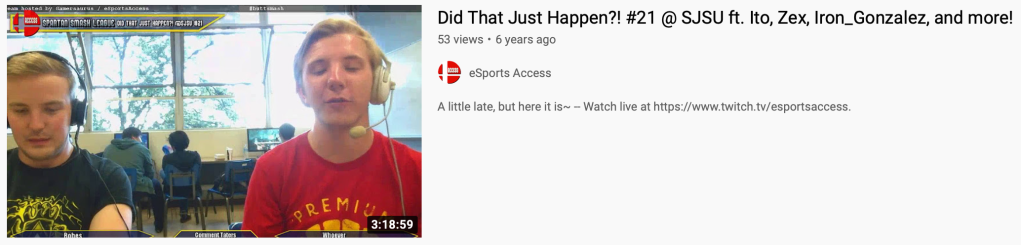
After losing horribly in my first tournament, my brother and I talked to the organizer and asked if we could help with their stream setup. I’d just received an Elgato HD60 capture card for my birthday, and I was an aspiring gaming YouTuber at the time, so I had all the equipment necessary. The organizer agreed, and for almost two years, my brother and I would run the stream for the weekly tournament. That’s how I build a lot of friendships and other connections with folks in the local scene.

I was basically a baby when I did this… and my brother and I were in much better shape, too…

While I became too busy to continue this weekly streaming work between adding music and Japanese minors to my educational plate, taking extra units, working jobs, and participating in other student orgs, the experience and connections always stayed with me.

This is where we fast-forward to my days at AVerMedia.

Understanding my Company and the Smash Community

Through my work at AVerMedia, I likely became one of the most knowledgeable people in the world regarding high-quality, consumer-grade capture cards, the unique specs each of them have, and the scenarios in which each device might be an ideal solution, insufficient, or total overkill.

Compound that with my experience running the stream for my college Smash events, the fact some of my current closest friends play the game competitivelty (one of whom is a fantastic coach, here’s his Metafy if you want to book a session), and I made a connection.

One of the biggest complaints top-players in Smash (or any esport for that matter) have is that most tournament games that aren’t on stream disappear forever. You can’t review your off-stream gameplay to find ways to improve, you can’t look over it with your coach for additional advice, and you can’t share it with fans who want to see hype moments that never made it on stream. Basically, if tournament gameplay isn’t on stream, it disappears forever.

That’s the problem I found a solution for.

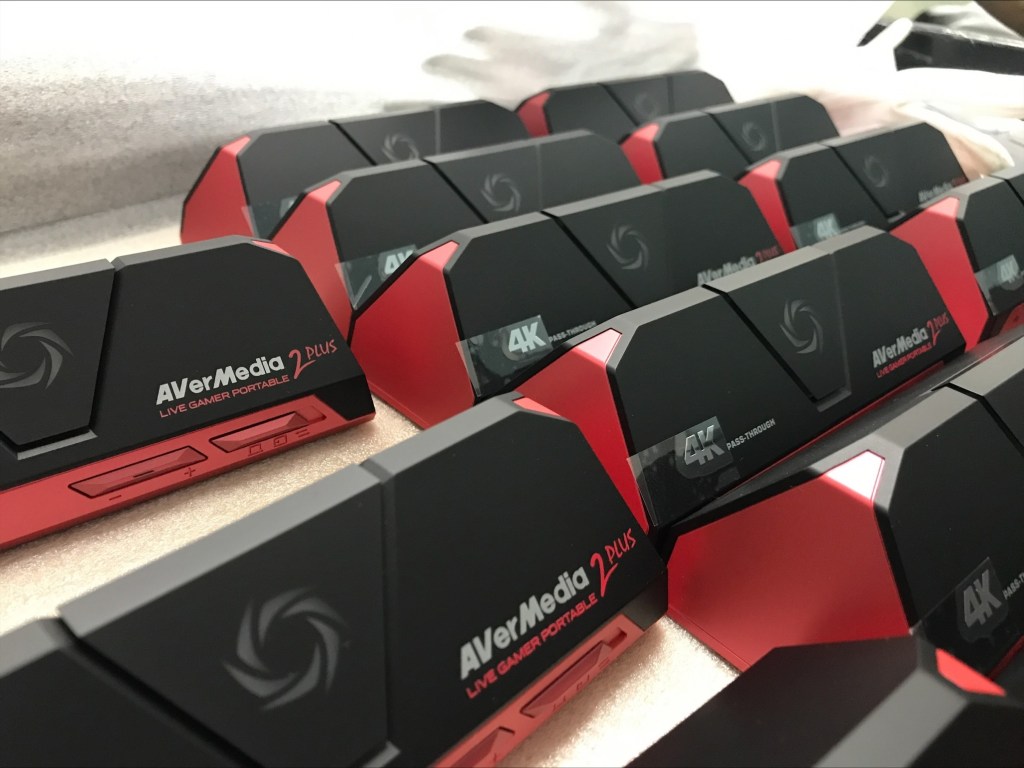
One of AVerMedia’s capture cards, the Live Gamer Portable 2 Plus, could record gameplay to microSD without needing to be connected to a computer for said recording. My idea was that the company could provide a reasonable amount of these capture cards to help off-stream setups capture gameplay that would otherwise be lost forever.

Making the Deal Happen

Seeing this problem in esports as a whole and that my company had a near perfect solution for it, I did some homework. It turns out one of my friends from my university Smash days was one of the key event organizers, so I reached out. That led to a back and forth with him, which connected me to the event team at large.

Obviously I can’t share any NDA negotiations, but seeing as the deal happened, we can assume they were all this deal happening—off-stream capture helps legitimize the event, especially as coaching and more deliberate practice via gameplay review have dramatically grown in recent years. Next, I pitched the deal to my team, got approval, and made it happen, but not without some complicating factors.

Complications & Solutions

We had two main problems:

  1. I had a trip to planned to visit the very group of friends including competitive players the same weekend as the event, so I couldn’t be there in person to ensure it went smoothly, nor could any of my team members.
  2. The timeline of pitching to confirmation was very last-minute, so I only had a few days to sort everything out. Again, can’t go into much detail here because of NDAs, but I had a lot to get done

How did I manage the fact that we basically had to give Genesis the hardware last-minute and hope for the best, since no one could be there in-person to support the event? I tested every single capture card before hand-delivering it to my friend from my university days. That way we could rule out hardware error, and we wouldn’t have to worry about late shipments.

Then, to prevent user error, I wrote up a straightforward document for how to properly use the capture cards. I ignored all excessive settings documentation and only included how it should be configured to make sure nobody got creative and caused issues. Last, during the event (while I was on my Wisconsin trip), I frequently checked in to make sure all was well.

Somehow, this last-minute deal went through without a hitch, and throughout the event, you might have seen ads for the capture card we provided—in fact, it’s what you see at the very beginning of the Twitch VOD for Top 8.

But don’t think we’re out of the woodwork yet.

Just because we provided capture cards didn’t mean whatever was captured would get published. I noticed more than a month after the event, none of the footage had been uploaded. I talked to my contact on the tournament staff, since it’s a bad look for the company to say we’re capturing off-stream gameplay for top 64 and then never see said gameplay.

Eventually, the off-stream gameplay was uploaded in early June, garnering reactions and analysis from top players, like Esam, reacting to and analyzing his match against Tweek. Thus, I could breath a sigh of relief, knowing my work was well and truly done and that I facilitated something that frankly raised the standards for what a top-level esports event should provide. While I no longer work at AVerMedia, some other events have followed suit in working with the company for off-stream capture. I may have mixed feelings about the company now, but this type of thing is a win for esports.

We can also ditch the self-aggrandizing idea that I personally made this happen. I was on a great team, had access to the right products, and knew the right people. I was simply the grease on the wheels. Event organizers, players, and the active sponsors are what make eSports what it is, I simply added one cog to the machine.

Takeaways

This all happened because I could connect a lot of different things in my life. The biggest takeaway I have for anyone is to follow your curiosity and interest—I never thought playing Smash in college and streaming the events would impact my career with the coolest brand deal I’ve ever worked on, but here we are.

I think that following your passion in a career sense is generally bad advice, but that’s different than simply following the threads of your interests and curiosity. I never expected to make a career out of helping out at the smash weeklies, but I was interested in seeing where it went. I never expected that buying an ocarina in 2011 would indirectly lead to me getting the job at AVerMedia that facilitated this brand deal either, but that was, once again, the result of simply following the thread of interest and seeing what might happen.

Most of these threads are just fun or interesting and don’t lead to any crazy cool outcomes, but some do. Don’t expect any outcomes, but wholeheartedly pursue your interests. The worst that could happen is that you decide to try something else, but you never know the best that could happen either.

Who knows, you might inadvertently help to raise the standards of all future esports events just because you made some friends in college.

Speaking of pursuing interests, a lot of people want to learn an instrument but never get around to it. If you needed more convincing, you might read my post on all the benefits playing music has for your brain. Otherwise, thanks for reading, and happy creating to you all!

Are Ocarinas Actually Easy to Learn?

Learning an instrument is hard, there’s no debate to that.

How many of you had to play recorder in elementary school and simply couldn’t get the hang of it? Although I’m a musician now, the recorder was tough for me back in the days before I was serious about music, despite being an allegedly easy instrument to learn.

Photo by Victoria Akvarel on Pexels.com

However, compare attempting to learn recorder to attempting to learn trumpet, and it was even harder to get the hang of. I did get the hang of the trumpet, in fact that’s where I discovered my love for music, but that’s because I played it daily for four years.

That all said, learning any instrument isn’t easy, but the ocarina has a much easier learning curve than many instruments do to reach basic proficiency. While I did have four years of trumpet under my belt, it took me less than an hour to be able to play basic songs on the ocarina on my first day of playing.

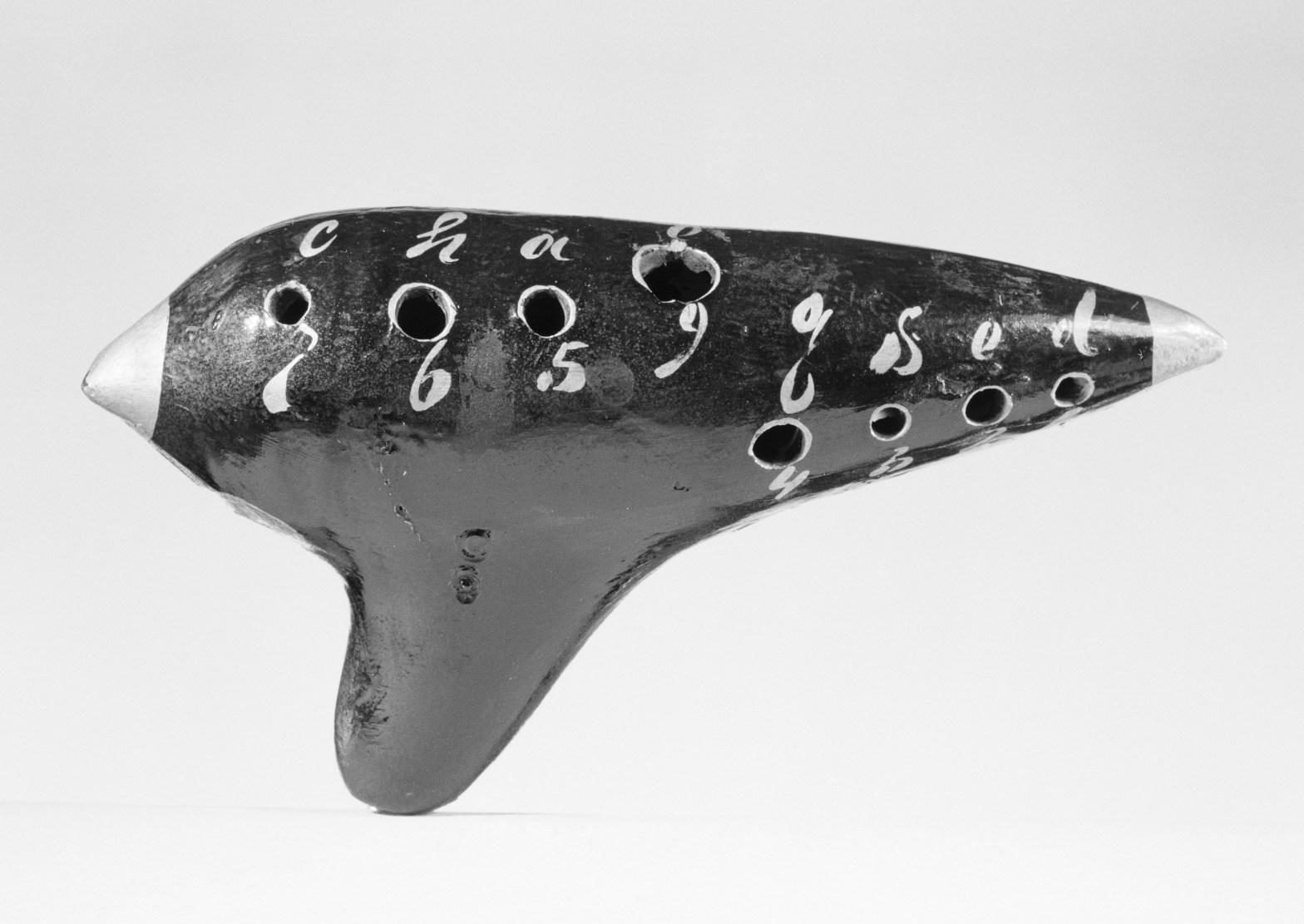
Ocarina by Heinrich Fiehn is licensed under CC-CC0 1.0

Results will vary, but I’d wager that nearly anyone with proper resources, and a functioning ocarina can get to basic playing within an hour of practice and reasonable proficiency within a month. Grab my friend David Ramos’s method book and set yourself up for success with a reliable Night by Noble and you’ll have an easy breezy start!

…But They’re a Challenge to Master

Did I say the ocarina journey would be easy? To get started, yes, but to master? That could take you many years.

Of course, there are things like slowly getting better at reading music and moving your fingers faster to play harder music, but that’s the challenge any musician faces. Every musician’s journey includes mastery of music and of their instrument, and ocarinas have unique areas of challenge on that road to mastery as well!

Every musician’s journey includes mastery of music and of their instrument. Photo by Genaro Servu00edn on Pexels.com

Every individual ocarina has its unique quirks, and beyond that, there are a lot of advanced techniques which, given how unique an individual ocarina is, are more philosophies to explore and apply to your individual instrument.

For example, playing in tune consistently with an ocarina is a challenge—if you overblow on any note, you’ll go sharp, and if you underblow, you’ll go flat. As such, ocarinas technically only have one in-tune volume per instrument, typically getting louder on higher notes.

Pitch-Perfect Dynamics and Alternate Fingering

However, if overblowing or underblowing affects pitch and volume, what if you could, let’s say, underblow an F# to get a quieter F natural? Or overblowing the F# to get a louder G? I’ve been playing for over a decade, and I scarcely explore this type of thing, especially given it’s extremely hard to transfer between ocarinas—what overblows to a louder G on one ocarina might just make an extra out of tune F# on another.

While traveling in South Korea during my university summer break in 2019, I had a jam session with Korean ocarinist MaryU, and her warm-up sheet music included this overblowing and underflowing for dynamics as an exercise she practiced daily. This is all to say I’m not just theorizing, these are techniques people use all the time.

This was the result of that jam session!

Similarly, what if you find that you can use alternative, non-standard fingerings to hit certain notes, and for particular fast runs on a song, that alternative fingering might be easier than standard? I almost exclusively use an alternate fingering for the low Eb on most 12-holes instead of the standard fingering that uses the subhole. Again, the application will vary from ocarina to ocarina—an alternate, in-tune Eb on one ocarina may be out of tune on another, or it would require slightly different breath pressure to not be sharp or flat.

Extending Range

Even beyond some of these intricacies, there are more advanced techniques for particular types of ocarina, such as methods to extend the range of a 12-hole soprano C or a 12-hole alto C. And guess what? These techniques also aren’t consistent among individual ocarinas!

One common range extension method for the 12-hole soprano C is called the “Spider-Man,” since it’s the same hand positioning as shooting webs. Normally, the range of a soprano C is A5 to F7. The spider-man method lets you hit the G above F7, which is normally impossible. However, it is possible with overblowing to hit overtones.

Your right hand’s middle finger, ring finger, and thumb are covering holes, and no other holes are covered. Then, you overblow to hit an overtone G7, normally impossible for a soprano C.

Do I recommend using this method? Generally no—soprano ocarinas are loud, and overblowing makes them even louder. However, if you’re performing on a soprano C and you have to hit a couple high Gs, it’s a great tool for your arsenal! Again, remember this technique still varies from soprano C ocarina to ocarina as to whether it’s even possible.

Another range extension method is referred to by many as the “Milt Technique,” as it was popularized by Japanese jazz ocarinist Milt.

I have a video that breaks down the technique better than a blog can!

Basically, you position your hands such that some physics happen and you can hit higher notes. I won’t go into too much detail, as I already have a video on it above, but this works extremely consistently on most 12-hole alto C ocarinas to hit the G above their high F6 (range is A4 to F6). However, beyond the G, it is rather inconsistent instrument to instrument. For example, on my Night by Noble, I can consistently hit the next A and even the next C with some hand repositioning, but nothing else. To re-emphasize the point one last time, this technique too varies from ocarina to ocarina.

Mastering Ocarina is Applying Philosophy

Do you understand why I call mastering the ocarina as exploring and applying philosophies rather than just techniques? Technique is absolutely important, but the specifics of each advanced technique almost always vary from ocarina to ocarina. It’s like walking—you might innately understand the mechanics to make it happen, but depending on what shoes you’re wearing and the terrain you’re on, you have to make adjustments. Walking with high heels on carpet and walking in boots while hiking are both walking but very different mechanically, just like applying the same techniques to different ocarinas.

This is one huge reason I don’t think anyone can say there is a single very best ocarina. While there are ocarinas that are objectively better than others in terms of tuning, and pitch quality, so much of what could make an ocarina the best for you is subjective.

Because each individual ocarina has so many unique features for how best to play in both basic and advanced techniques, not everyone will connect the same way with every instrument. It’s like how in Ireland, they say the best whiskey is the whiskey you enjoy. You could hand me a $1,000 ocarina, but if it has low breath pressure, I won’t enjoy playing it, just like someone may love a $15 bottle of fireball and hate the most amazing $500 bottle of whiskey. The best ocarina is the one you enjoy playing.

Of course, it’s important to go outside your comfort zone, but isn’t that also part of reaching mastery in the ocarina? Start trying some advanced techniques, see how they differ across your ocarinas, and get to applying that philosophy!

And if you’re considering buying a new ocarina but have some you’ve yet to master, watch my video on when NOT to buy more ocarinas to help with that decision.

Why I Write a Blog in 2022

I have a blog. It’s andycormier.blog (this website), and it largely covers the same topics I make videos on. You might say blogs are so 2008, but I beg to differ—blogs and personal websites may be one of the best assets a creator and professional can have.

No, this isn’t sponsored by SquareSpace or Wix or WordPress or anything like that, but you may hear some of the same talking points creators use in their ads for these companies.u

Structures my Thoughts for Videos

First, writing a blog is really helpful for me to structure my thoughts. Oftentimes, I make a blog post and a video the very same project, as writing the project a blog post beforehand makes recording the video a breeze—my thoughts are already well organized. If you look at my recent blog posts and recent videos, you’ll see that there are very many blogs that are the exact same topic in the exact same structure.

Photo by Picography on Pexels.com

I don’t like writing scripts, but if I write the topic as a blog post, I overcome that mental hurdle. On top of that, I get to double up my content.

Part of my Content Optimization Workflow

Content optimization is the act of turning one idea into many pieces of content, with the idea that it doesn’t take much marginal effort to make additional pieces of content from the one. A blog post becomes a YouTube video becomes multiple TikToks, Reels, and Shorts.

Of course, my focus is YouTube, but if structuring my thoughts first as a blog is easier than writing a script, then I get both a blog and a video out of the effort, then I’m doing a great job of optimizing my content. On top of that, since my blogs are generally divided into relatively clear sections, it then makes it easy to divide video segments to make shorts and TikToks.

I just needed a visual aid to break up the text, okay? Photo by cottonbro on Pexels.com

If writing a script for a video takes, let’s say, 10 effort points, writing a blog of that same idea might only be 11 or 12 points, a 1-2 point difference. On top of that, I enjoy blog writing more than script writing. As such, of course I’ll write blogs instead of just writing scripts. It’s only a tiny bit more effort, and in addition to the video I was always planning to make, I get a blog too. A personal site is almost always a safer bet for your digital presence than relying solely on social media platforms too.

Websites Over Platforms

While I think it’s not entirely true what SquareSpace ads say in that you can’t rely on social media platforms and need a website, you do have much more control over how you present yourself on a website compared to a social media platform (especially if you can do a bit of coding).

Moreover, even if your focus is your social platforms, you can just link them all on your website and give one link instead of several for someone to find you. Also, it’s freaking cool to have a website, like look! It’s me! Andy Cormier, but a blog. And that website provides me additional technical benefits.

All About SEO

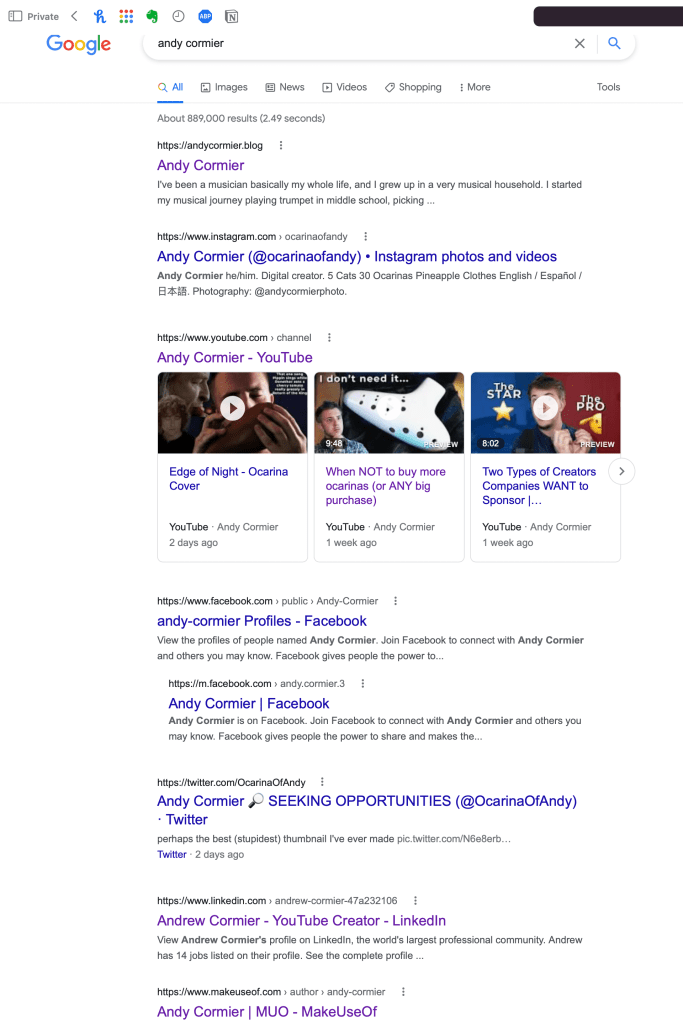
Google “Andy Cormier.” Use an incognito window so your search history of watching me doesn’t influence it. I will almost guarantee you that the very first result is my website, andycormier.blog. This is incredibly useful. What if a potential employer is looking me up? What if there’s another schmuck named Andy Cormier, and they can’t find me?

Safari is weird about web history in Private windows, but the results are the same on other browsers!

Thanks to my YouTube channel, I am the most publicly documented Andy Cormier in the world (I think), but the point stands:

Having your own website gives you a much better chance to own your perception online.

It’s all in the SEO, search engine optimization. Google will prioritize a website over a social media page, so writing a blog on your own domain will let you control your digital narrative and help showcase to employers and fans what you want them to see.

Showcases my Expertise and Interests

Continuing down the line of showcasing things to employers, I do make a point to make my blog something relatively professional that I can be proud of. I obviously have some older, less professional posts from several years ago, but just about everything you see is a showcase of my expertise in marketing or some personal interests.

Beyond that, I am developing a great portfolio of reference materials should friends or colleagues have any questions. The other day, one of my former coworkers from my last job had a question about influencer marketing, and I was able to simply send him a couple blog posts to answer his question. That’s legitimate utility, so if a recruiter for a role in this area is looking me up, they can see I that I might already have the solutions they’re looking for.

Photo by Sora Shimazaki on Pexels.com

This Helps with the Job Hunt

If it’s easier for companies to see what I’m good at and interested in, it makes it a lot easier for them to want to hire me. In more than one job interview I’ve had in recent weeks, my blog has been specifically referenced.

That spot on job applications that says website? I just put it there. I also share some posts on LinkedIn from time to time. My blog is still mainly an added bonus for my video making process, but employers love blogs. They love to see you’re passionate about something, and they especially love to see you can write. Writing is one of my best skills, and it’s one of the most important meta-skills for career success. A former professor of mine said “If you can’t write, you can’t rise,” and I think there’s legitimacy to that statement.

Obviously you won’t get a job just because you have a blog, but writing a blog makes it a whole lot more convincing that you actually have the skills you say you have if that’s something you write about. It adds a certain air of legitimacy to not rely solely on your resume and simply say “these are my interests, these are my skills, these are things I’ve made. I don’t need to convince you with a resume when it’s all right here.”

There’s More to Say…

Blogging can lead to numerous other benefits, such as improving your writing, becoming the basis for a profitable business, and more, but we’re not getting into that. This is why I blog, and it’s as a component in making videos for better content optimization, controlling my digital perception with improved SEO, and showcasing my skills and interests to aid in the job hunt.

The amazing thing is that if you decide to start a blog because of these specific interests, you’ll likely find some benefit that’s different to mine!

Next, if blogging interests you, I recommend you read my post on how to apply creative skills to your career. Blogging is absolutely one such skill, and the career benefits are many!

Otherwise, leave a like on the post + YouTube video and subscribe for more!

Two Types of Creators Companies Love Working With: Pros and Stars

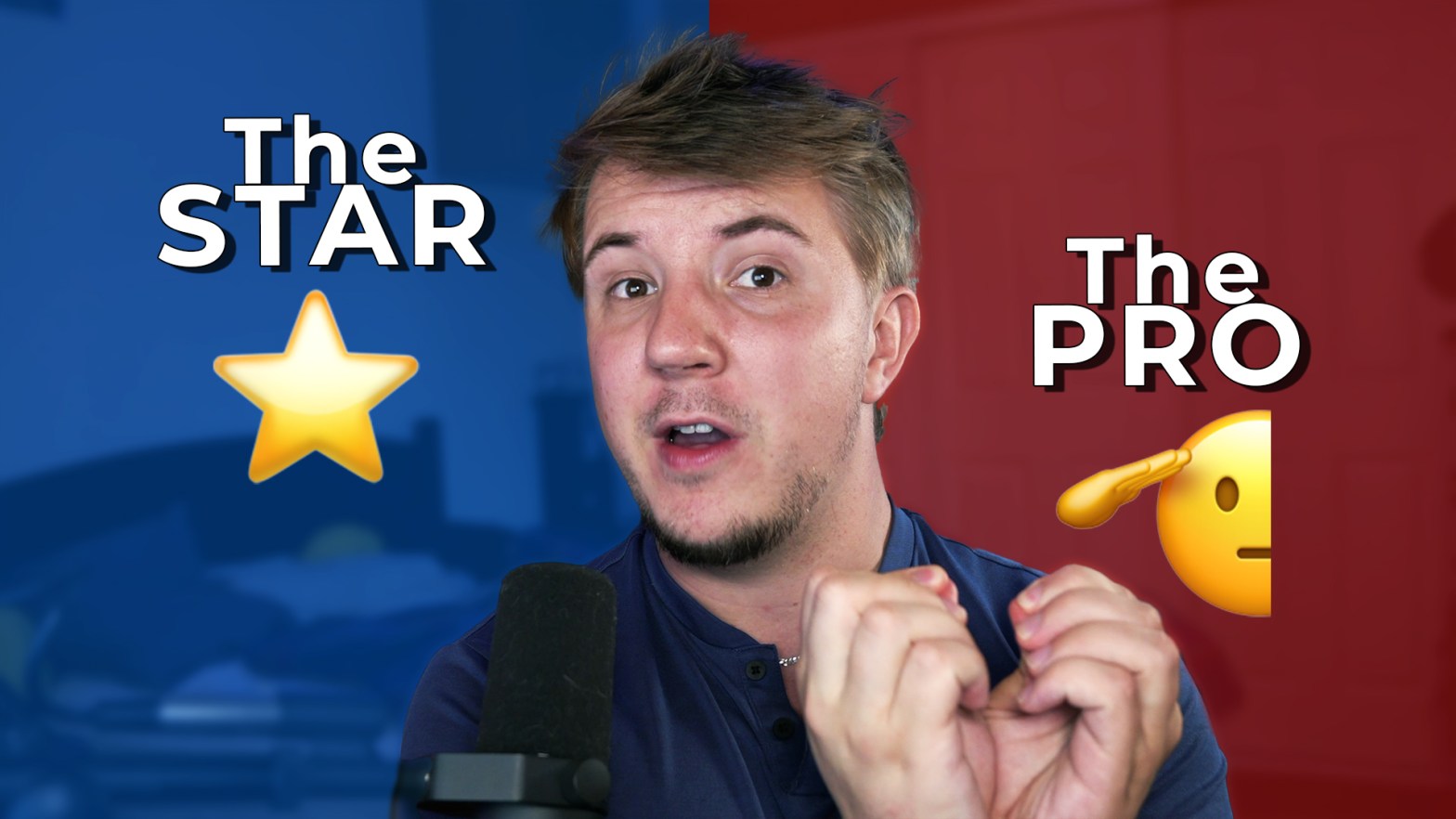
I’ve been interviewing for jobs in social media and influencer relations, and one company asked me what constitutes the ideal creator for brand deals. Somehow, I’d never deeply thought about this, as I prefer a more personal approach, but I answered without hesitation: either those with the best professionalism or with star-tier content. Ideally, a bit of both.

While I didn’t get that job, they liked my answer, so I now I’m using that as an excuse to write a post about the two types of creators companies love working with and want to sponsor!

Type 1: The Professional 🫡

The professional creator is one of the best assets a company can have in sponsorships, partnerships, and other brand deals. Professional creators are characterized by, well, their professionalism. Some in my industry joke that many full-time creators choose making content because they’re otherwise unemployable due to (seeming) disorganization and unprofessionalism.

The professional creator is the opposite—they’re organized, professional, and probably have a whole career aside from content or are successful in content creation because of their professional outlook.

I was going to call this section “pro creators” but that… sounds a lot like “procreators” 😐

In brand deals, professional creators (not procreators) are the people who not only do what they say they’ll do when they say they’ll do it, but either do more or do it early and keep you updated throughout. They tend to over-deliver and over-communicate in the best, most reassuring way. In other words, they’re extremely reliable, and you can always count on them when you need to feature something in a sponsored post, and at times they even post when it’s not sponsored (but you obviously can’t, in good faith, expect that without some incentive, financial, product, or otherwise).

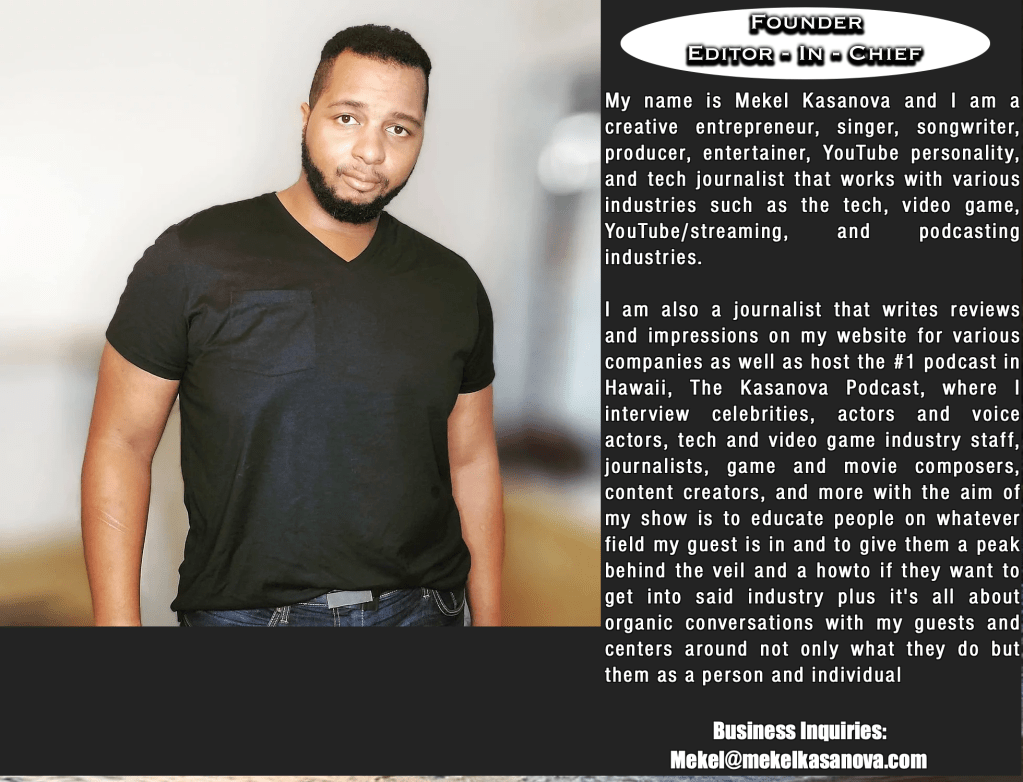
Case Study: Mekel Kasanova

In my experience, one of the most professional creators I’ve worked with is Mekel Kasanova. He’s a podcaster, tech and game reviewer, and journalist in Hawaii, and I worked with him when I managed creator partnerships at AVerMedia.

While I obviously can’t get into any non-public specifics, he was always one of the most reliable people my team worked with. He was always extremely communicative and friendly, and he always went above and beyond with the content he made for us and his willingness to participate in company stuff.

He isn’t a small creator by any means—content is his full-time job. In fact, it’s his professionalism that built his career—if you look at his media deck on Twitter and see how many brands work with him and how many industry people end up on his podcast, you’ll completely understand why.

I was really lucky that many, many of the creators I worked with at my last role were like this, so if you’re one of these people, thank you for making my last job easier! It was always sincere to say the partners were the best part of that job.

Type 2: The Star ⭐️

The next type of creator companies adore is the star. These creators are often the best at what they do, experiencing rapid growth thanks to the amazing content they make and community they’ve built.

Photo by Cup of Couple on Pexels.com

They might seem unprofessional or disorganized at times, but the inconsistency is made up by outrageous creativity, amazing content, and stellar results. The seeming unprofessionalism is often a result of them simply suffering from success—there’s too much to do and too many people wanting to contact them between fans wanting to talk to their favorite creator and companies hoping to strike gold with a deal. Stars often really should start delegating and building a team or working with an agency, but they often don’t, usually because building such systems takes time they don’t have.

In brand deals, the star might not be responsive all the time, but when you get a response and organize a deal, it is a huge positive for the company. Your inquiries for a brand deal might get lost in their inbox even if they’d love to do it because of how in-demand they are, so for the marketers, be patient and occasionally send follow-ups! Again, when you do manage to organize a good deal with a star creator, it usually goes amazingly, whether the goal is brand awareness, social media growth, product sales, or something else entirely.

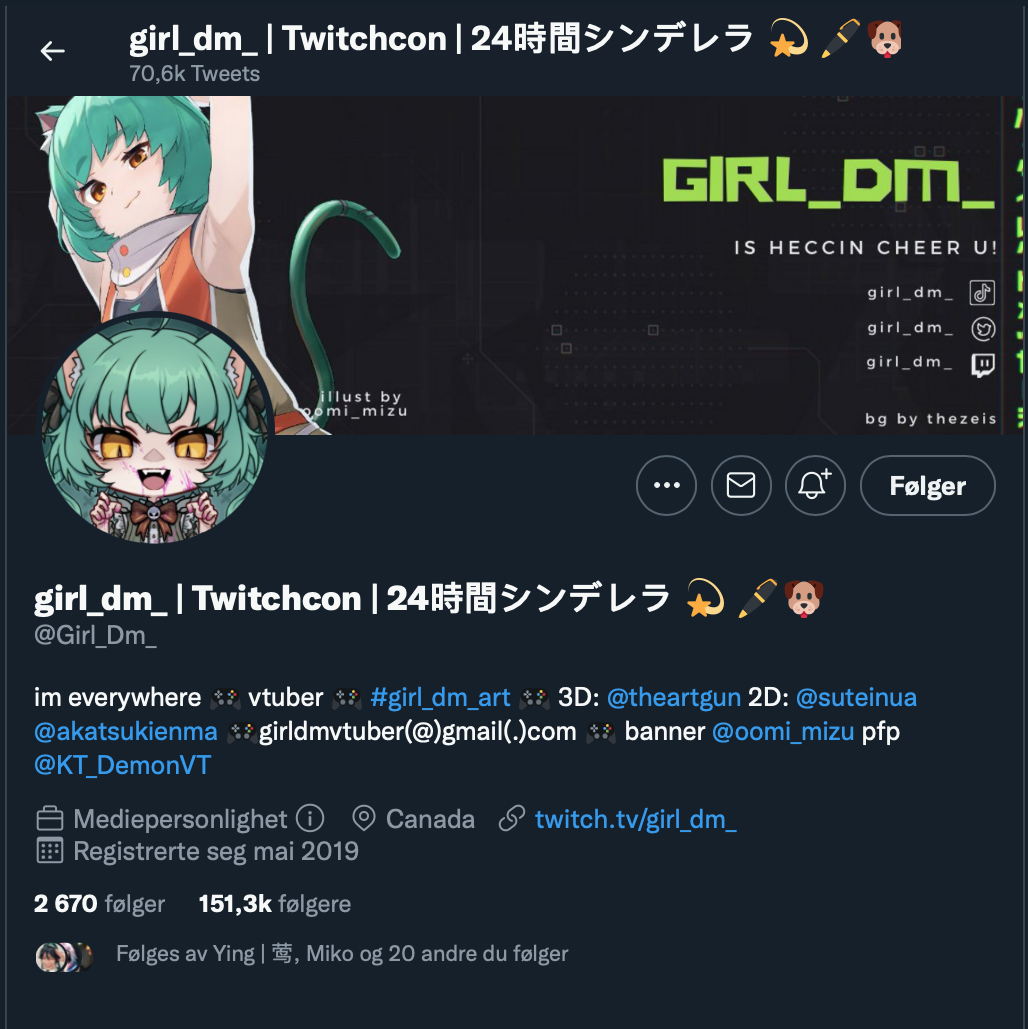
Case Study: Girl_DM

Ignore that my Twitter is in Norwegian, I am studying the language

An absolute star I worked with at my last job is the V-Tuber girl_dm_. She has been on an absurd growth trajectory, and we partnered with her well after she became well established thanks to a referral, but just before she absolutely exploded. Again, I can’t disclose anything private or NDA, but if you scroll through AVerMedia’s Twitter, you’ll see that anything mentioning her, shared by her, or posted by her dramatically out-performs just about everything else.

We also did an event, Create and Connect in October 2021, and we interviewed her on that. The Twitch viewership for that segment nearly tripled for that part thanks to her sharing it on Twitter once. She’s an amazing creator and an absolute star, and she was also one of my favorites to work with.

One Additional Note!

Being a professional and being a star aren’t mutually exclusive—Girl_DM was both highly professional and a star creator! In fact, creators who treat content creation with a professional perspective are frankly more likely to become stars. That said, small-medium professional creators are often easier for brands to work with than large professional-star creators, simply because the stars are often overwhelmed with inquiries even if they have a team and business-like systems.

How Can You Develop These Traits?

First off, anyone can be a professional at any point in their creative journey, but being a star comes often after years of hard work to develop your content and audience. That said, I did mention people who treat their content professionally often are more likely to grow into star creators. Therefore, no matter what size you are, focus on getting a bit more organized.

Photo by Ken Tomita on Pexels.com

Just make a small change this week—maybe make a content calendar for yourself, maybe take the brand deals you already have a bit more seriously, or maybe spend some time learning skills to help your creative workflows like better brainstorming or editing.

On one hand, professional creators are often the favorites for companies to work with, but unless you’re making great content that people actually watch you won’t be getting inquiries in the first place. Great content is still the most important single factor in earning sponsorships, but professionalism will help improve both your content and business sense. Flip that switch, be more deliberate and professional with your content creation, and get creating!

…and if you’re down about not getting the brand deals you want yet, read my post on why some brand deals may not be for you.

Why Everyone Should Learn an Instrument

Watch the video too!

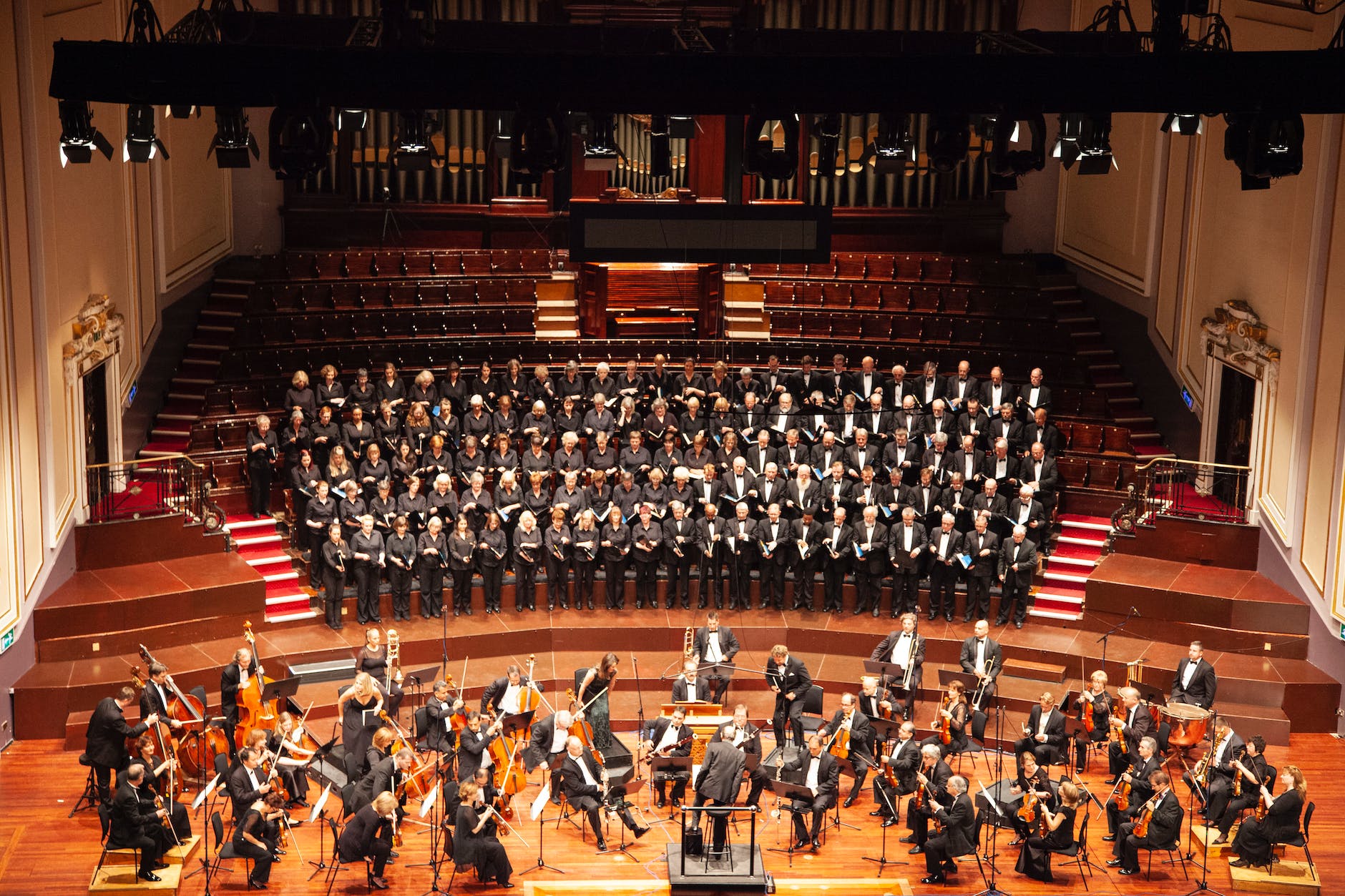
I’ve been a musician basically my whole life, and I grew up in a very musical household. I started my musical journey playing trumpet in middle school, picking up the Ocarina in 2011, then singing in choir through high school and college, even for performances with Joe Hisaishi and Andrea Bocelli.

This is not to brag in any way, but it’s to illustrate how music has been one of the core elements of my life. I recently realized that I feel best when music is a regular part of my life, and when I lack music, something feels missing.

Okay, maybe it’s a bit to brag

I’ve been on a bit of a musical funk lately, not as in funky music, but as in not singing or playing ocarina with any regularity for nearly a year.

I’ve always been told that playing music is great for your brain and mental health, but after feeling more down more frequently lately, I decided to do some research into why.

That’s when I came across an article by Penn Medicine

The Article: Playing an Instrument: Better for Your Brain than Just Listening

Playing music is a full workout for the brain

It engages both the right and left sides of brain as well as multiple senses, particularly visual, auditory, and emotional inputs.

Most instruments require each hand to do different things, engaging the peripheral nervous system, responsible for finger movement plus gross and fine motor skills.

Photo by Clem Onojeghuo on Pexels.com

When you play one part but pay attention to what’s coming next, you engage the brain’s executive function, responsible for planning and decisions.

Music engages your senses with visual, auditory, and emotional inputs, which alongside engaging basically all of your brain, provides a total mental workout.

Because of all this, playing music provides life-long benefits

Children who play music have life-long benefits, and elderly folks see decreased risk of dementia

In a study cited in the article, participants aged 60-85 who took piano lessons had gains in “memory, verbal fluency, the speed at which they processed information, planning ability, and other cognitive functions, as compared with those who had not received lessons.”

Basically, playing music is like working out but for your brain, and just like exercise, there are so many benefits.

It’s fun, and fun is good for you—and music is a major source of stress relief

The article tells the story of many doctors who participate in music, but that of Surgeon Jose Pascual, MD, stood out to me. He plays in an orchestra, which provides him relief and escape from his stressful literally life-or-death work. His day-to-day as a surgeon often consists of treating people often going through the worst experiences of their lives, which really takes a toll on his mental health. Music provides an outlet to relieve the stress and a total escape from thinking about it all.

Photo by AfroRomanzo on Pexels.com

Playing music is most beneficial, but you can have many stress-relief and cognitive benefits from just listening to music as well.

Aside from the study, I’ve felt mindfulness similar to actual meditation while doing chill jams on my ocarina. Learning an instrument also is a surprisingly useful and interesting skill. And it’s also a great way to annoy your roommates.

How Will I Apply This Personally?

Music is part of my core identity, and it’s been largely missing. I used to have choir rehearsal twice a week, would practice my ocarina regularly, and generally seek out musical things to do.

Given all the benefits playing music has, I need to get back on it!

I’ve actually been forced to put music front and center in my life in the coming weeks, since once again, it’s the premiere digital ocarina event of the year, Oca-tober, where numerous ensembles post performances daily through the month, including the ensemble I’ve played in since 2017, Ocabanda.

I began feeling anxious about jumping back in to Ocarina stuff so suddenly, but working on this video has made me excited to get back in to it.

But after Oca-tober, how will I maintain some musical ritual?

First, I want to commit to practicing my ocarina at least twice a week. Why not more? I’m a problematic perfectionist with these things, and I’m much more likely to follow through with a smaller commitment.

Next, I plan to make more music-related videos and posts. Maybe I’ll log progress learning ukulele, maybe more ocarina vlogs, maybe actually record some songs? I do have more clarity on how to re-incorporate music into my content after getting really good with incorporating my career, so I can do both!

Last, I will find more ways to do music with people. I can start with Ocabanda, but I will look for more ways to prioritize group music again.

What Should YOU Do Next?

If you used to play an instrument, sing, or otherwise have music in your life, reconnect with that!

If not and you want to get started, I highly recommend the ocarina. As instruments go, it’s quite easy to learn, and they’re super affordable!

Life is Finite, and That’s Okay—4000 Weeks by Oliver Burkeman

  1. My Review + Thoughts
    1. What’s it About?
    2. What Did I Learn?
    3. My 3 Biggest Takeaways
  2. Chapter-by-Chapter Summary
    1. 👴🏻 Introduction
    2. 🏠 1. The Limit-Embracing Life
    3. 🪤 2. The Efficiency Trap
    4. 🔚 3. Facing Finitude
    5. 🥱 4. Becoming a Better Procrastinator
    6. 🍉 5. The Watermelon Problem
    7. 🕺🏼 6. The Intimate Interrupter
    8. ⌛ 7. We Never Really Have Time
    9. 📍 8. You Are Here
    10. 🛏️ 9. Rediscovering Rest
    11. ⏱️ 10. The Impatience Spiral
    12. 🚌 11. Staying on the Bus
    13. 👨🏼‍💻 12. The Loneliness of the Digital Nomad
    14. 🌌 13. Cosmic Insignificance Therapy
    15. 😷 14. The Human Disease
    16. 🙏 Afterword: Beyond Hope
    17. 🔧 Appendix: Ten Tools for Embracing Your Finitude
  3. My Final Thoughts + Who is it For?

My Review + Thoughts

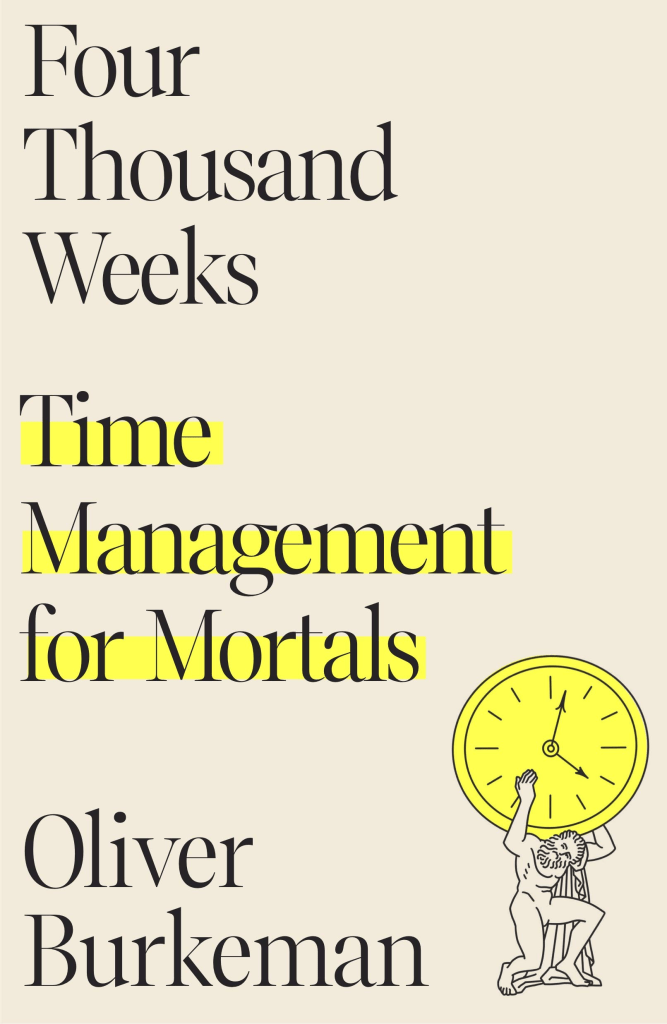
From the book’s page on Amazon (affiliate link)

What’s it About?

4,000 Weeks: Time Management for Mortals is an anti-productivity book. It meditates on the finitude of life and how it is frankly impossible to do, achieve, and see all that you might want to—but that’s an empowering thing.

In fact, you should embrace life’s finitude. Every thing you do becomes that much more meaningful because you’ve rejected every other thing you could be doing at that moment. We live in a culture steeped in the fear of missing out, but with this shift, you can experience the joy of missing out instead.

There is more to life than work, and you shouldn’t constantly wait to live your life. This book is not saying that you shouldn’t work and be totally hedonistic, rather that you should accept and embrace life’s limits and find joy in the process of life. If you won’t let yourself enjoy and be present in life until you reach a certain outcome, you’ll simply miss out on life.

“Results always come later—and later is always too late.”

Chapter 9

You get to feel pain, you get to feel frustration, and you get to feel joy and all of the good things in life. This coincides with the Stoic principle of Amor Fati, to love everything that happens to you. As I’ve recently been reading more Stoic and Zen philosophy, I’ve realized this book largely presents many similar ideas in an extremely digestibly way, such as outcome independence, accepting what cannot be changed, and embracing the current moment.

What Did I Learn?

Personally, I realized that I have been taking far too much of life either for granted or instrumentally—meditating for better productivity, worried too much about my employment situation or work when spending time with loved ones, and constantly believing I need only be better, faster, or more efficient to get the life I want.

Life isn’t a race, it’s just a series of moments. I don’t want to waste my life, waste any moments with loved ones, or lose joy in the things I do. I will do what I can, and I won’t do what I cannot, and it’s okay to have limits. Life eventually ends, whether you want it to or not, so don’t put off living it.

This book made me have these realizations, and it’s dramatically changed how I view life. Of course I will still strive for success, but I am much less concerned with the outcomes of anything in particular, content with doing my best on the process and the process alone, enjoying each step of the way.

Photo by Stefan Stefancik on Pexels.com

My 3 Biggest Takeaways

  1. Life is finite, and accepting that gives you freedom—you can’t do everything you want to, making what you do all the more meaningful.
  2. Not everything needs to be an instrument for productivity or some end goal—don’t feel guilty if you enjoy rest for rest’s sake and leisure for leisure’s sake.
  3. You don’t matter in the grand scheme of things, and that should empower you; however, you do matter to those around you and the places you can meaningfully make a difference.

Chapter-by-Chapter Summary

👴🏻 Introduction

A human lives around 4,000 weeks. Why waste your life on productivity alone when the world is so full of wonder to fill your life with? Life is meant to have wonder in all its areas—trying to be excessively productive and efficient are a trap which sap life’s wonder in an attempt to control what cannot be.

Part I: Choosing to Choose

Photo by Pixabay on Pexels.com

🏠 1. The Limit-Embracing Life

You will never be in total control. Embrace that instead of fighting against it. Reject the belief you can ever manage all your demands, and reject the notion that a moment only has value if it has future utility (IE. Investments, “recharging” for leisure instead of leisure for leisure’s sake)

You can’t avoid the limits of reality, but you can respond to it and accept your role in your life and its place in history.

🪤 2. The Efficiency Trap

If you don’t have the time, you don’t have the time, and that’s okay.

Efficiency won’t give you more time, rather it will make you more astutely aware at your perpetual perceived lack of it. Getting better at email results in more email. High performers are punished with more work.

You will miss out on almost every wonderful experience you might have, and that’s okay.

🔚 3. Facing Finitude

Face the finitude of life. You will die, and understanding that will make you more present in the life you have.

4,000 weeks is a small number, but it’s infinitely more than if you’d never been born. You won’t fit everything you might want to do into this time, but choosing what not to do makes the things you do that much more meaningful.

🥱 4. Becoming a Better Procrastinator

Schedule time for yourself and prioritize it as much as you do work.

Always set upper limits for work time—always leave more in the tank.

Say no to things you want to do if they’re not supremely important—reject middling priorities and experience the joy of missing out.

🍉 5. The Watermelon Problem

Your reality is defined by what you pay attention to. Thus, your attention should be reserved for what matters most to you.

For an experience to have meaning, you need to pay attention to it, rather than how many of us willingly give in to distraction to avoid our fears and confronting life’s finitude.

🕺🏼 6. The Intimate Interrupter

Distraction is an attempt to flee the fear and pain of confronting life’s finitude. Killing time (online, etc) isn’t fun, but it feels better than confronting that we will die.

To overcome distraction, stop expecting life to be painless, and stop expecting things to go how you want them to. Zen Buddhism states human suffering comes from resisting mindfulness to how life is because we wish it were different. Accept life as it is.

Part II: Beyond Control

Photo by Brett Jordan on Pexels.com

⌛ 7. We Never Really Have Time

According to Hofstadter’s Law, tasks always take longer than planned, so why set expectations if you will always be disappointed?

Stop expecting reassurance that the future will turn out how you want it to, whether in small tasks or in life—the best parts of your life likely happened by chance anyways.

All a plan is—all it could ever possibly be—is a present-moment statement of intent.”

📍 8. You Are Here

Stop treating everything in life as a utilitarian means for some future outcome; stop postponing fulfillment and happiness.

Life is only the present moment, a string of moments that were the present and moments that will be the present, and any moment could be your last.

You are the moment, you are time. By trying to make the most of your time, you miss your life.

🛏️ 9. Rediscovering Rest

Leisure doesn’t need to be an instrument for productivity: leisure can (and should) exist for its own sake.

Wasting time on leisure pointless to your goals is true leisure. You don’t need to constantly strive for something even when resting, no matter how uncomfortable capitalism makes you feel doing so. Why postpone fulfillment to a future you aren’t even guaranteed?

“Results always come later—and later is always too late.”

⏱️ 10. The Impatience Spiral

Things are the way they are, so stop wishing they were different. Trying to fall asleep wakes you up, just like trying to rid yourself of anxiety only increases it.

Face things the way they are, openly and graciously. Ironically, accepting your anxiety is the best way to relieve it.

🚌 11. Staying on the Bus

Patiently persevering through the discomfort of the unknown often leads to the solution.

Follow the Three Principles of Patience:

  • Develop a taste for having problems. Accept (and enjoy) having problems—life is a series of constant problems, and that’s how it is!
  • Embrace radical incrementalism. Make things a smaller part of your routine. Set limits and stick to them no matter how much energy you have.
  • Originality lies on the far side of unoriginality. Patience by going farther on the well-trodden path often leads to more originality than forcing unconventionality too early on. Know the rules before you break them.

👨🏼‍💻 12. The Loneliness of the Digital Nomad

Free time is best spent with other people. Happiness comes when your free time aligns with others, like high school breaks, or the Sabbath.

It’s worth removing flexibility if you can develop a rhythm of time with those you care about.

”Your time can be too much your own.”

🌌 13. Cosmic Insignificance Therapy

You don’t matter (in a cosmic sense), and that’s empowering.

If all things are so insignificant, why worry about them? Why worry about trying new things, pursuing a creative endeavor, or anything else if the stakes for failure are astronomically low?

You don’t need to be the best at something, as 1,000 years or 1,000,000 years from now, none of it will matter. You do you, and do what you can without worrying about a grand future impact.

😷 14. The Human Disease

We are time, so there’s no way we’ll ever be better than time, because it is us.

Consider five questions to help your relationship with time and work:

  1. Are you pursuing comfort when discomfort is needed?
  2. Are your standards impossibly high?
  3. Are you unable to accept the gap between who you are and who you want to be?
  4. In which areas o you feel the need to hold back until you’re ready?
  5. What would you change about your days if results didn’t matter?

All we can ever aspire to do is what is next and most necessary, even if we forever lack objectivity in knowing exactly what that is.

Bonus Bits

🙏 Afterword: Beyond Hope

Give up on hope. The world is full of uncertainty and tragedy, and wishing it were different won’t change it.

Give up on what’s impossible, then do what is possible. Hope doesn’t make a difference, empowered action does.

“Hope is not a strategy” — Tim Ferriss (not in this book)

🔧 Appendix: Ten Tools for Embracing Your Finitude

  1. Set limits on productivity
  2. Work sequentially, one big project at a time
  3. Choose what to do badly (to spend more time on what matters most to you)
  4. Celebrate your wins as much as you plan next steps
  5. Pick how you will be charitable, and it doesn’t need to be everything
  6. Make technology boring
  7. Find novelty in everyday life
  8. Be a curious researcher in relationships rather than seeking outcomes
  9. Simply be generous, instantly
  10. Get comfortable being bored—do nothing sometimes

My Final Thoughts + Who is it For?

Work culture around the world, especially America has ruined so many lives with the obsession with productivity, efficiency, and convenience. So many people are missing out on life because their single goal is a secure future when the only guaranteed time you have is this moment. Of course, there’s nothing wrong with setting goals and striving toward them, but don’t focus so singularly on a goal that you forget to live life.

I think everyone should read this book, and as someone who works in marketing and understands not everything is for everyone, I don’t say that flippantly.

If I’ve convinced you to give it a read, you can use my Amazon affiliate link here to help support me on my endeavors! Otherwise, thank you for taking the time to read my review and summary of 4000 Weeks: Time Management for Mortals

3 GOLDEN RULES for Picking Brands to Work With

Many creators above a certain size start to get their YouTube email flooded with brand deal opportunities from companies, most of which they’ve never heard of. While it’s easy to rule out everything except highly reputable brands you want to work with, having a portfolio of brand deals with lesser known brands can build like a snowball to reach bigger and better “dream” deals with bigger companies.

Given that, you might now be feeling overwhelmed at the sponsorship opportunities you’ll have to read through, but there’s an easy set of three rules of thumb to decide which ones you’ll consider.

Rule #1: Would You Be a Customer?

In my post on When NOT to Pursue a Brand Deal, I briefly delve into this topic among other points.

Your integrity matters more than anything as a creator. Regarding sponsorships, there’s a fine line between being an inauthentic shill and actually giving your audience relevant recommendations. Of course, many creators need brand deals to pay the bills, but you can do so with integrity!

Photo by Pixabay on Pexels.com

The easiest rule of thumb is the Customer Rule: if you wouldn’t be a customer, don’t get sponsored.

Reasons you might not be a customer may include (but are not limited to) the following:

  • Opposition to a company’s political views.
  • Disinterest in the product.
  • The brand seems shady.

This rule is powerful in that in most cases, this is the only consideration you need—a company you’d buy from is probably one you’d like working with. However, not every brand deal is this perfect, so there are many exceptions to each of the above points.

There Are Exceptions

It doesn’t have to be a brand for which you’re a die-hard loyal customer, but it ought to be a brand that you’d realistically purchase from. It doesn’t even need to be a brand you’ve purchased from in the past or have even heard of, only one you could purchase from.

For example, if a brand you’ve never heard of that makes outerwear like jackets and sweaters contacts you and offers a reasonable sponsorship opportunity, if the brand seems unproblematic, it’s worth considering. This kind of product isn’t irrelevant to anybody, so if the deal seems legit, why not?

Additionally, you can be disinterested in a product but still find merit in it—how many people are deeply interested in the brand of milk they use but continue to buy it? Disinterest doesn’t mean a product has no merit.

It’s most important that you can become interested in the product (without shilling) and learn its merit. In my time organizing brand deals with AVerMedia, you’d expect the partners to be streaming tech wizards, but many of them were, in fact relatively uninformed when it comes to tech but learned to understand the merits of the products.

To revise rule #1: COULD You Be a Customer?

Rule #2: Is it Relevant to Your Audience?

Even if a product in a deal is relevant to you, is it relevant & appropriate to your audience and at least somewhat congruent with your content?

Your audience if they think your brand deals are totally irrelevant. Photo by Anna Shvets on Pexels.com

If you make content related to productivity, your audience probably won’t be interested in a mobile game. If you make gaming content, your audience will likely find childcare products irrelevant (for they are likely children and teens themselves). A creator who mainly has an audience of children probably shouldn’t try to get sponsored by adult brands like Adam & Eve.

The idea is that you shouldn’t promote irrelevant products to your audience. That’s a sure-fire way to lose some integrity, which will make your audience less interested in the brand deals you promote overall! A product or service you promote in a sponsored segment needn’t be a 100% perfect fit for your community, but it can’t be irrelevant or inappropriate for them.

Don’t Be Irrelevant

Look at the brand deals you see everywhere like Manscaped, Raid: Shadow Legends, and the plethora of VPN services. Most audiences wouldn’t seek out these brands, but they’re not necessarily irrelevant—you can showcase their merits to make them relevant too!

With Manscaped, the main criteria is likely for a creator to have a majority male audience (as that’s who the products are generally for). With Raid: Shadow Legends, if you make gaming content or have an audience that primarily uses their phones to watch you, it’s not irrelevant. For VPNs, if you talk about media like movies and shows but have an international audience, you can showcase the value of a VPN for accessing region-locked content.

Your audience might not be interested in these kinds of deals, but you can’t say they’re irrelevant either. I generally recommend against taking too many brand deals if they’re only not irrelevant, but some creators need these deals to pay the bills.

A way around this to show you KNOW it’s not super relevant to your audience is to put on a clearly different persona for the brand deal segment itself. This acts as a dogwhistle to your audience that you don’t actually care, but you didn’t hear that from me.

Rule #3: Does the Deal Itself Have Red Flags?

I highly recommend reading my video on the types of brand deals and post on when not to take brand deals for more insight, but here’s a few areas to consider:

Photo by Milada Vigerova on Pexels.com

Will you get something upfront? This can be product or payment. If you don’t get anything up front, or worse, have to buy your own products, it’s a major red flag

Is it just an affiliate program? These can be fine if they’re self-driven like Amazon Associates or if payout is high. For example, some affiliate programs for digital products offer an absurd 51% payout to justify the requirements. However, these cases are unfortunately the exception—almost any affiliate program with posting requirements and nothing up front is a sham.

Is there simply something off about the company? Notice things like odd typos, improper grammar, and excess requests for information or signing up for platforms. Many brand deals do require connecting your social media accounts to whatever platform the company uses to measure, like SideQik. In general, don’t offer more information than you’re willing to, and make sure you do some research on both the company contacting you and whatever platform they ask you to sign up for, especially if you feel off.

If They Pass The Rules…

Go for it! If you could become a customer, find the product relevant enough for your audience, and don’t see any red flags, then there’s very little reason to not go for the brand deal. Consider if you have the space in your workload to add any new brand deal commitments, and make sure you’re not accidentally breaking any non-compete agreements with existing partners or sponsors by working with a competitor.

If you’re still waiting on that glut of deals in your inbox, I highly recommend reading my post on some major factors companies consider when selecting creators to work with. Making yourself marketable is half the battle with brand deals.

Get sponsored, get the bag, and happy creating.

Applying Your Creator Side to Your Career

Many creators pursue the goal of going full-time with their content and other endeavors, but not everyone makes it. Some gather other commitments like their job or their family and are unable to continue. Some realize being a content creator isn’t as fun as they hoped it would be.

In these scenarios, it’s easy to feel discouraged and defeated—you might be giving up on a dream you’ve had for a decade or longer. However, the time you spent working on your content isn’t a waste: you can always take the skills you gained with you.

Watch this in video form!

My Content Got Me Hired (Back in 2020)

My first job out of college was with AVerMedia, originally hired vaguely as a marketing specialist, which eventually became a much more intensive social media, influencer relations, and community management mashup. Of course, I have a degree in marketing, otherwise I wouldn’t have been looking for this kind of job in the first place, but at least at the time, AVerMedia had robust operations in North America for creator-oriented marketing.

Anybody could have a degree in marketing, but I’ve been making videos since 2014 (most of which are on PRIVATE because they’re crappy let’s play videos) and started building my current style of content in 2020 during the early pandemic. Because I’d been making content, including streaming (streamers were the company’s target market), that already put me at a much more favorable position for getting that job.

I got the job, and while yes, I met all the technical requirements for a marketing role, the fact I had the skills and mindset of a creator tipped the scales (and this was confirmed to me after I started). I wasn’t even really flaunting my creator side through that process—since getting that job, I’ve realized that creating content provides you with many, many skills relevant to getting jobs.

Thanks to that, I’ve been making it far in interviews with other companies thanks to my creator skillset, even getting an offer… that was rescinded because I barely tried negotiating, and I even said “I understand if my request isn’t possible?” That was a crazy disappointing time, but back to showing your creative skills!

List Out Every Relevant Professional Skill

You’ll surprise yourself by realizing how many relevant skills you’ve developed as a content creator. Depending on your niche, the skills you chose to really develop, and your level of organization, you could have an exhaustive list of skills to place on your resume, and you’re most likely good enough at most of these skills to start applying them in a professional setting.

Photo by Startup Stock Photos on Pexels.com

Here’s just some my list of relevant skills:

  • Photography—from learning the ins and outs of my cameras and getting pretty good at taking photos as a result.
  • Videography—from shooting my videos / vlogs.
  • Online Broadcast Production—from streaming w/ OBS and mastering relevant technology like capture cards + cameras.
  • Open Broadcaster Software—for streaming, as well as recording my videos now for a quicker workflow.
  • Notion—I am a power user at this point, and it’s useful for content + work in managing projects and tasks.
  • Adobe Creative Cloud
    • Premiere Pro (Video Editing)
    • Photoshop (Thumbnail Making)
    • Lightroom (Photo Editing)
  • Project Management—from planning out my videos and using calendars/task management in Notion and Google Calendar.
  • Copywriting-from writing my blog posts + learning how to structure my ideas in a more engaging way for videos.
  • Social Media Management/Marketing—from curating + managing my social presence as a creator.
    • Buffer (scheduling posts)
    • Twitter + YouTube analytics (gauging success)
  • Community Management—building my community through my content.
  • Marketing Strategy—from developing and executing a long-term strategy with my content.
  • Market Research—research for planning my content + using analytics.
  • Content Marketing—content marketing is basically just making content but for a job… content and especially brand deals fits in here.
  • Influencer Relations—subject matter of my content + being on the creator side of brand deals.
  • Problem Solving—you have to figure things out yourself as a creator… this is SUPER valuable.

This is a non-exhaustive list on my end, and your list will likely look different. I’m showing what’s moist relevant from my experience to get you started in developing your ability to showcase your transferable creative skills.

Note that the scope of work and tools used will often be different than the same activities while on the job, but as a creator you’ve likely more than dipped your toes in many of these areas. Remember, you don’t need to be an expert to list a skill on your resume or to use it on the job—you don’t need to be as fluent as a native speaker to get by with a language, and the same goes for many skills. In fact, needing to use these skills on the job is the fastest way to improve them, just like a language learner who speaks enough to get by will improve much faster through immersion.

Photo by Kaique Rocha on Pexels.com

If relevant, see what skills from your content already overlap with your skills from your career. By finding overlaps when relevant and building a bridge between your creative and professional lives, you might realize you have more years of experience and a wider breadth of knowledge than anticipated.

For example, anything related to social media, influencer relations, and marketing applies both to both my creator side and my career side. Thus, even if I only have 2-3 years of experience professionally as of writing this (depending on if you count internships), some of my skills may be at a higher level, especially given how much I intentionally overlap my content’s subject matter and my career.

Your Content is a Public Portfolio

There obviously are exceptions to this rule, like if you’re a shitposter or want to be able to candidly discuss (or criticize) your job in your content, but it’s generally a wasted opportunity to not share that you’re the type of person to passionately build something.

If the content you make is relevant to your work, you’re also showing future employers that you’re passionate about what you do! Be careful not to let your passion be exploited, as is the case in many gaming and entertainment roles, but employers would generally rather have employees who are clearly passionate about their field. You can showcase this passion in a public manner through your content.

Furthermore, if companies are screening you through the interview process, your content allows your skills to speak for themselves beyond just a highly curated resume. If you write blogs, make videos, and otherwise share your passion about your field, that is your real resume. Companies will have a much easier time trusting the outspoken creator who passionately discusses their field than someone who says “trust me, I have a great resume.” They can see your skills in action through your content before you’re even interviewed.

Put Your Channel on Your Resume

Why stop with simply putting your skills on your resume? Go all the way and include it as work experience. Of course, whether this is useful varies from job to job and whether your channel and skillset are relevant, but in my field, marketing, there is more or less no reason not to include that I make content.

Photo by Sora Shimazaki on Pexels.com

If your content is relevant to your field, it helps to distinguish you as a thought leader in your discipline. It showcases a portfolio of work with your passion front and center. You develop numerous marketable skills that can largely transfer to almost any field.

Whether you end up quitting making content because you’re too busy with work and life or you continue making content while you maintain full-time employment, the skills you gain from being a creator are worthwhile and absolutely applicable to your career.

Embrace the hard work you’ve done to level up your skills, and embrace your creative side when applying these skills to your career!