Build a Content Temple

Photo by Ksenia Chernaya on Pexels.com

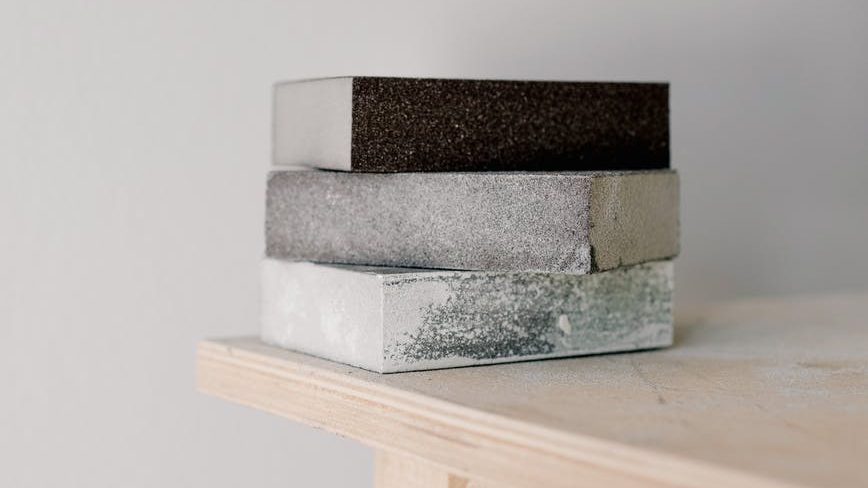
Every piece of content you make is like a brick.

Many people’s content ends up being a series of disorganized bricks on the ground, like a significantly less impressive and less organized version of Stonehenge.

Savvy creators organize their content bricks, build connections between them to fortify and support them, organize major central content pillars, and with intention, build something strong, cohesive, and engaging out of it. They consider their entire body of work and how it relates together to build something with a purpose.

They build a content temple.

What is a Content Temple?

Like a museum, people can walk in and see what you’ve made, your style, and what your message is.

Photo by Borja Lopez on Pexels.com

They can explore different rooms with different focuses, methods, media, and topics. Your temple might have multiple types of media, like written works, videos, photos, and more across multiple platforms. If you’re live, visitors get to watch you make your art. However, your content temple should be open to explore whether or not you’re live, meaning your focus may need to shift to include more on-demand content.

Everything ends up relating together, somehow, thanks to the content pillars you’ve built at the center supporting the whole temple. Someone who spends a few minutes in your content temple should understand what you stand for and what you create.
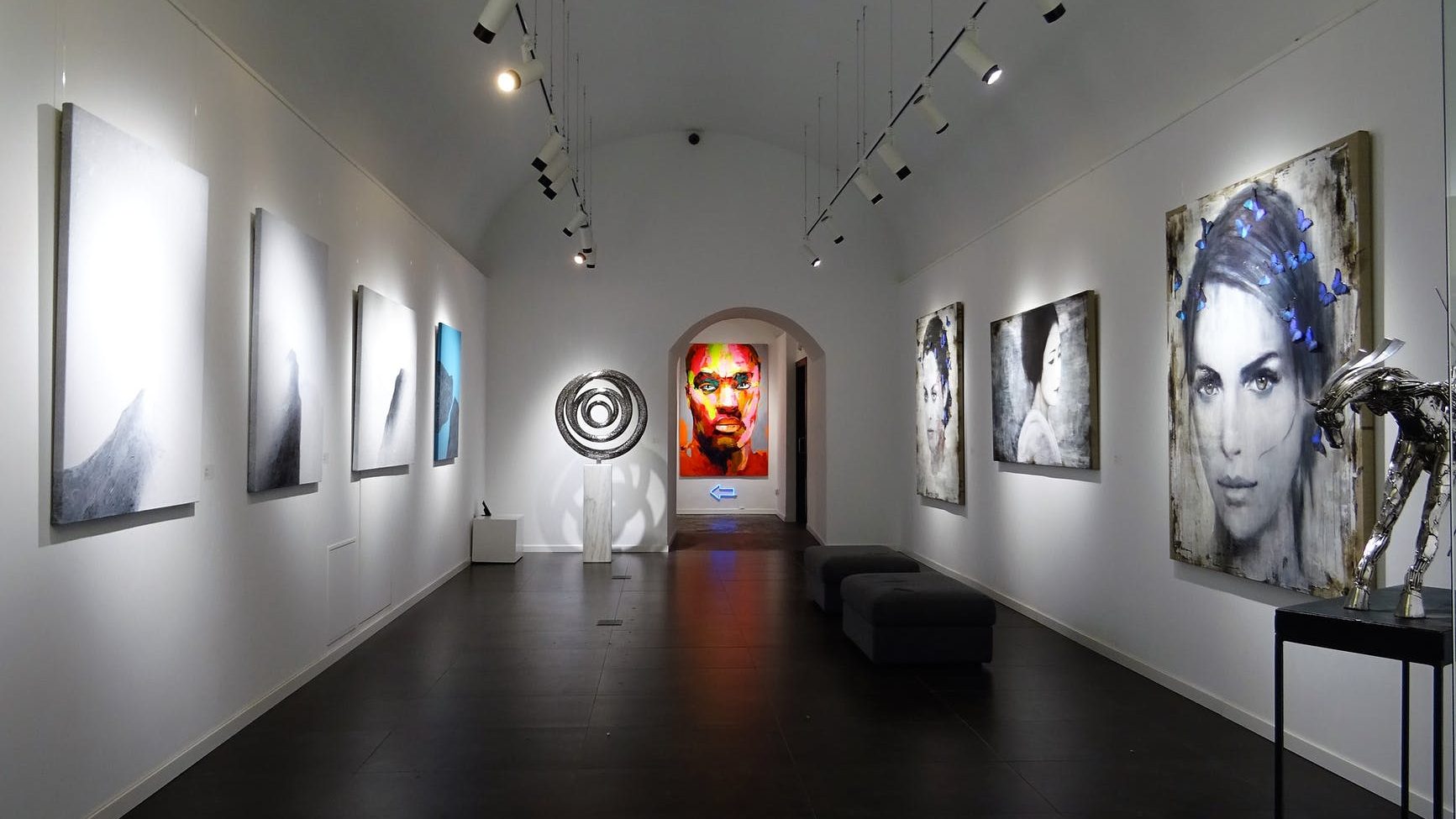
Photo by SevenStorm JUHASZIMRUS on Pexels.com

The main point is this: you need to plan your content cohesively around core pillars, and you need to figure out who your content is for. Plan your content cohesively, understand the impact you want to make with your body of work, and build your content temple.

How do You Build your Content Temple?

First: Who is this temple for?

  • Who is the target audience of your content?
  • What do they watch?
  • What are their preferences?
  • What are their goals?
  • What are their demographics?
  • Age?
  • Location?

Even go so far as to imagine several faces of people who your content is for

You don’t need to have an answer for every demographic either. You might imagine your content is for gamers in college who prefer fighting games and hope to play competitively, and in this case, location and most other demographic more or less don’t matter. Some people might not match your target audience of college-aged competitive fighting gamers and still enjoy it or make use of it, even if they’re not the audience you’re specifically imagining your content to be for.

The point is this: the average demographics for a museum of fine arts versus a rodeo are not the same. They’re both perfectly valid places, but they rarely attract much of the same audience.The same concept goes for your content temple—get a sense of who you’re making it for!

That said, many rodeo fans enjoy the arts and vice versa, but a rodeo and a museum fine arts still have completely distinct identities.
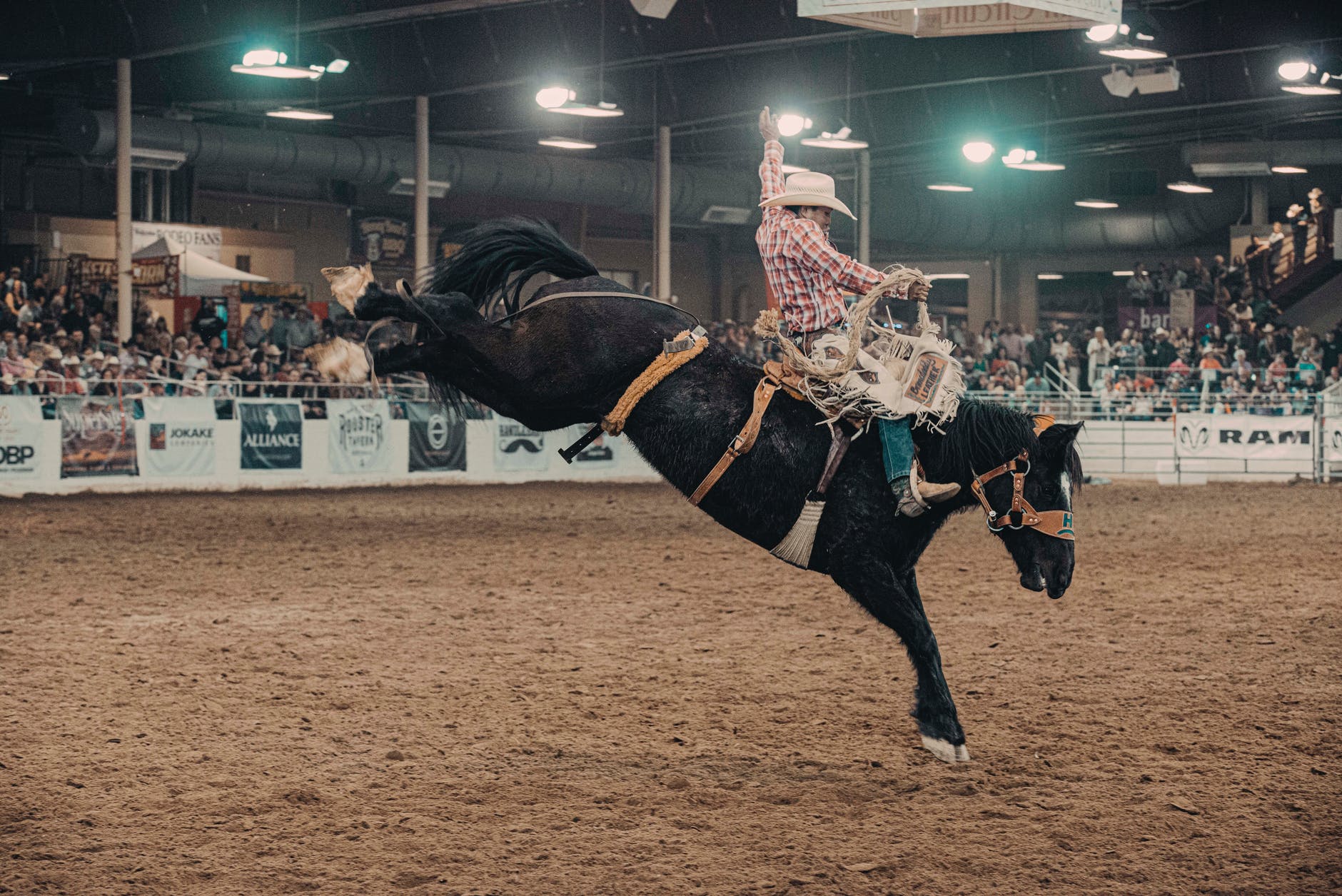
This isn’t to say someone who likes rodeos can’t like fine art—but most rodeos are in the country, while most museums are in the city. Different populations in different locations make for different audiences! || Photo by Derwin Edwards on Pexels.com

What is the PURPOSE of Your Temple? What are its Core Content Pillars?

What do you hope to achieve with your content? Not just a few pieces of content, but your entire body of work?

It doesn’t have to be just one thing, but they should all make sense together. For example, if someone watched 10 of your videos or 10 hours of your streams, what do you hope that they’d have felt, thought, or learned after all that?

How do these pillars make you feel? || Photo by KALAI SELVAM on Pexels.com

I hope that is someone if chooses to watch 10 of my videos, they’d feel empowered to improve their content, pursue the right brand deals for them, or learn the ocarina.

Your pillars can lean more towards function, more towards entertainment, or fulfill any role! || Photo by Pixabay on Pexels.com

More entertainment or gaming-oriented creators might want their audience to be impressed at your skill, laughing from your humor, inspired to try a game or challenge, or some mix of these.

Your core purpose defines the pillars of your content, the pillars of the temple you’re building.

Do your Bricks Fit Together Cohesively?

If an individual piece of content is one brick, does it align with your core pillars?

Your bricks don’t need to all be the same to cohesively fit together, but they still need to fit together || Photo by Andre Moura on Pexels.com

The pillar I’m building now is all about empowering and educating creators. As such, that’s where most of my content is. If someone watches 10 of my recent videos or reads 10 of my last blog posts, they’d completely understand that’s what I’m about.

There are areas I might want to expand to, but you’ll generally want to consistently support your core pillars with the bulk of your content!

It’s okay to experiment and step outside your core—make the content you want to make, especially early on. You won’t know what your core pillars are until you’ve spent some time experimenting, finding what you enjoy creating. However, as you develop your skill and your unique voice, it’s important to develop your core pillars to make a strong, clear brand. Even when you’ve established your brand, it’s still fine to take some experimental risks on your content.

Regardless of your cohesion and level of experimentation, make sure your bricks support each other!

Do your Bricks Support Each Other?

Cross-pollenate your content. If I have an overlapping idea between 2 videos, I will sure as heck mention the other video for interested viewers. To illustrate, my post on When to AVOID Brand Deals echoes points made in a few other videos, so of course I mentioned those videos in that one. Look, I’m mentioning a post now and building ties RIGHT NOW in this example.

Oh yeah, these bricks got LOTS of mortar connecting them || Photo by Engin Akyurt on Pexels.com

Think of these ties and mentions between different content and platforms like the mortar between bricks. You can stack bricks without any adhesive, but you can build a lot higher (and try even risker builds) if your bricks are connected with mortar and support each other.

You’ll notice many successful YouTubers who now, instead of using generic endcards, keep talking through the end of the video giving a specific recommendation for what to watch next. I do it too. It really helps your audience to very quickly understand what you’re all about if, after watching a video on a topic they’re interested in, see that you have a whole portfolio of content to those interests.

And this can apply to ANY genre of content:

  • Gaming creators who do challenge content might recommend similar games or challenges they’ve  done.
  • A photographer discussing a specific portrait lens might recommend you watch another video discussing ways to improve portrait photography in general.
  • If a musician covers a song from a particular band or game, they might recommend that you check out another cover from that band or game.

The stronger the ties you build between your content, the more you can compound your growth! Every piece of content becomes an entry point, and every piece of new content you make supports old content.

If Video A about a certain topic from August 2022 recommends you watch Video B from January 2022, which is related to that topic, which then points to Video C from October of 2020—also related to that topic—then you make ANOTHER video that recommends Video A, some people will fully go down the rabbit hole (and probably subscribe to you).

If these viewers are interested in that topic, then you’ve given them so much material. It’s a win-win (this is why it’s important to know who your content is for, so that you can design for this kind of thing to happen!)

There are people who got successful with a seeming lack of cohesion, but these cases are the exception (or they started making content on YouTube around 2006).

It’s like Building Stonehenge vs. the Pyramids

Stonehenge is impressive and old, but it’s not a structure. It definitely had a purpose, and it’s definitely impressive, but it’s most impressive because it’s there at all despite the time period it was built,

Photo by John Nail on Pexels.com

This is like how some YouTubers got famous in the early days before anyone even considered applying strategy to a YouTube channel—it’s impressive that they built something at all… and what is the meaning of Stonehenge?

On the other hand, the Pyramids have a clear structure, and they came LONG after stonehenge was built. Each brick was cut to specificity and fitted with each other into a planned structure.

Photo by David McEachan on Pexels.com

…Like how YOU can build a cohesive content temple—devise your strategy, understand your core, and brick by brick, you’ll build something amazing.

There are multiple pyramids, and there’s a lot more stuff around it like the Sphinxes, just like how yes, you need dedication to build your content temple, but you can build across multiple core pillars and even occasionally experiment with stuff that might seem irrelevant to them

Consider Your Body of Work

When building a career as a creator, consider not just each piece of work, but your entire body of work: what does it stand for?

This is to say: you are far more likely to succeed in making content creation your career if you build something cohesive, which I’m using the content temple concept to illustrate. Know who your content is for, what you stand for with your content strategy, and how to cohesively connect the majority of your content together.

Are you a museum of fine arts, or a rodeo?

Are you Stonehenge, or the pyramids?

Build your content temple, and make it stand for something that connects deeply with your audience.

If making content creation your career, it should stand on its own whether or not you’re live making that content! I recommend watching my video or reading my post on why streaming alone isn’t sustainable if you want to make a career from your content.

Happy creating, and best of luck

Why Streaming Isn’t a Sustainable Career (And How to Stream Sustainably)

Streaming Has its Downsides

Many hopeful creators want specifically to become streamers. Streaming is a ton of fun and a great way to connect with your community, but it is extremely unsustainable if your goal is to turn your creativity into a career. We’ll discuss why that is and what you should consider instead to make streaming more sustainable.

Poor Discoverability

Everyone complains about poor discoverability on Twitch. In fact, YouTuber Drew Gooden recently did an experiment following top streaming advice (from Ninja’s Master Class) and after weeks of dedication, only gained one follower. Of course, don’t pursue streaming as a career if you only care about money and fame, but if you want to make streaming a career, you won’t grow on Twitch discoverability alone.

Photo by Eren Li on Pexels.com

Why would someone watch you over someone much larger who they already know and like? It’s because they don’t know you or your content, since Twitch (and streaming in general) is not the place to be found. It’s the place for your audience to get to know you after you’ve been found somewhere else.

Monetization is almost entirely donations

As much as we hate ads, they’re far more sustainable to fund creative works than donations. With donations, you’re only able to earn money while you’re live, and in many cases, your audience is unable to donate. This is all to say that exclusively relying on donations is unsustainable (especially when Twitch takes such a large cut).

Photo by Liza Summer on Pexels.com

To further emphasize this point, many Twitch streamers are losing a lot of revenue due to inflation and the probable recession we’re in—Twitch subscriptions are likely one of the first expenses people will cut if money is tight. YouTube ad revenue is also down, but it isn’t reliant on donations, and once your video is made, it’s available 24/7!

This need for donations on Twitch often leads streamers to many toxic, unsustainable habits, such as streaming for obscene lengths in the hope of earning enough donations to pay the bills.

Extremely long hours, low pay

Only a small fraction of the top 1% of streamers earn minimum wage from Twitch alone. Many streamers believe they need to continually stream, racking more and more hours into their Twitch grind to be monetarily successful on the platform, as you are more or less only making money while you are live.

Photo by Tara Winstead on Pexels.com

This is one of the main causes of burnout among streamers—you can’t always be available for your audience. This myth is perpetuated by streamers who are extremely successful and are live all the time, such as HasanAbi or Asmongold. In addition, streamers at this size are absolutely publishing content across multiple platforms to accelerate their growth, and they likely completely outsource their other platforms to editors and managers. To top it all off, Twitch has an even greater problem that the most popular streamers are the ones who get promoted, so the rich get richer, leaving most streamers undiscovered.

On Twitch, you are only making money if you’re live. To be sustainable, your content needs to work for you long after you’ve worked on it (and you need to take care of yourself too).

Instead, Be a Creator

While I seem to be against streaming, this simply isn’t the case! My objective is to share that streaming should be a component of a greater creative strategy if your goal is to make content creation your career.

Streaming is an amazing way to connect with the community you have as well as one of the best sources for content optimization.

Use The Community Aspect of Streams

Replying to comments on YouTube, engaging with your audience on Twitter, and other asynchronous communication are great for helping your audience connect with you. However, the absolute best way to grow that connection is live engaging while streaming.

Photo by Ingo Joseph on Pexels.com

Do things you can’t do in pre-recorded formats and develop that connection!

  • Talk with your audience
  • Take suggestions for future content
  • Answer questions they may have
  • Try challenges that involve community or are unique to streaming
    • Crowd control is an amazing utility, which allows your audience to donate and immediately cause a change in your game

This is a short list, but it should get you started—streaming is arguably the best way to connect with your community, and there’s so much unique to streaming to make the most of! These unique aspects can also lead to great content for you to optimize.

Optimize Your Content

Consider your streams as the first step in your content optimization pipeline, but consider every other step the most important pieces.

Photo by Cup of Couple on Pexels.com

Content optimization is making the most out of every piece of content you make across multiple platforms and media. One good idea can become not just a stream, but a video, several TikToks or shorts, a blog post, a Twitter thread, and more. Furthermore, you can share the same content across multiple platforms, like YouTube videos on Facebook, TikToks to YouTube Shorts and Instagram Reels, and blog posts into Twitter threads.

The process of content optimization is crucial for saving you time while building a multi-faceted, multi-platform presence online—it’s a lot faster to make modifications to one idea for each platform than to silo ideas across platforms and need to start from scratch every time.

Here’s an example (and extremely common) content optimization workflow many streamers employ to extreme success:

  1. Brainstorm unique stream ideas with the idea that the concept will become a video.
    • Develop some sort of narrative cohesion, like a unique challenge or premise.
  2. Stream your content.
    • If applicable, use the StreamDeck timestamp plugin or Twitch clips to find the most highlightable moments
  3. For YouTube or longer-form videos, potentially add edited intros and “chapter” segments to add structure and clarify your narrative or premise.
  4. Decide on your best clips to share to Twitter, TikTok, and other short-form platforms if applicable
    • These clips should focus on helping promote your video, but they must also be able to stand alone!
  5. Short form content mainly promotes your long-form content, and your long-form content helps promote your stream.
    • Most of your revenue will come from long-form YouTube content derived from your stream, but your creative focus is till your stream itself
  6. The cycle continues, and all your content works together to help you grow!

We’ll have a post specifically on content optimization relatively soon to delve more into this subject, as many folks don’t realize how much planning and optimizing improves your creative results!

Plan streams with the intention of making them into other more discoverable content. Structure a stream to become a video, as well as optimizing for highlightable moments for clips, Twitter, and TikTok (plus Shorts and/or Reels)!

Many of the most successful streamers do this exact process of spending more time planning streams to optimize the content across platforms. Some examples below:

  • Ludwig—his stream is planned to typically have ideas that can become multiple videos. Not every segment makes the cut, but through outsourcing editing he can completely focus on streaming, which is likely what he enjoys most.
  • Atrioc—he has a macro-weekly structure, with things like Marketing Monday. Repetitive structure helps make planning even easier, and it utilizes his own expertise in marketing for interesting, optimizable content.
  • PointCrow—he does many unique challenges across many games, namely the Zelda franchise. These challenges almost always have a unique, engaging premise with clear editing to present the narrative, which ends up being extremely clickable for YouTube, which is his largest audience despite Twitch being his personal focus.
  • girl_dm_—she utilizes her unique premise as a V-Tuber and great comedic skills to primarily focus on making her stream as highlightable as possible. These highlights have exploded on TikTok, leading to extremely rapid growth on her channels across platforms.

Content optimization lets you still enjoy streaming while hedging the unsustainable downsides of focusing on streaming as your creative career. You’ll grow faster, likely earn more revenue, and grow the community you stream for much more quickly than from streaming alone.

Streaming isn’t the Only Thing

Photo by Roberto Nickson on Pexels.com

Streaming is fun, but unless you’re the top fraction of the top percent of streamers, streaming alone cannot be your career. It simply isn’t sustainable without additional ways to increase monetization, such as brand deals or creating on multiple platforms.

Poor discoverability leads to slow growth. Monetization relies on donations while live, which will be slow if you’re growing slowly. This leads to long hours with little to no pay for the vast majority of streamers.

The most successful streamers use their streams as the SOURCE of content for other platforms. Plan ahead so your stream can turn into cohesive videos! When you stream, make the most of what can only be done live. Optimize your content, and use the strengths of other platforms to help promote it all.

If your goal is only to stream for fun, don’t worry about this at all! However, turning your creative endeavors into a career takes treating it like a business, and changing the way you stream will absolutely help with that.

Best of luck, and happy creating.

Why Not To Pursue Brand Deals

Making money is important for turning your creative pursuits into your career, but money isn’t the only factor to consider. One of the most common sources of income—especially for creators on YouTube, Twitch, TikTok, and Instagram—is brand deals.

Not every sponsorship is made equal, so this post will discuss reasons why you might not want to pursue sponsorships in their entirety or particular brand deals on a case-by-case basis.

Independence With Your Content

Some creators may discuss controversial subjects, criticize companies, or make content that otherwise is best without external influences. These creators may expose scams, predatory financial schemes, or fulfill the necessary journalistic role of independent critique of establishments.

Photo by cottonbro on Pexels.com

As such, taking any sponsorship can be a risk to these creators’ credibility and independence in uncovering these issues. YouTubers like Coffeezilla who expose predatory fake gurus, crypto scams, and other major problems in finances and the influencer economy rarely (if ever) take sponsorships in order to maintain their credibility—if any brand they work with turns out to be predatory in any way, what does that do to their credibility?

This is not to say that creators who investigate issues can’t ever take sponsorships—in fact, most do. Instead, if you fall into this category, you should take care before accepting sponsorships and be choosy in dealing with brands.

Changing Who You Are or Your Persona Is

Many brand deals require you to be somewhat non-controversial or brand appropriate—it’s one of the major considerations brands have when deciding who to work with. If you don’t want to change what you do for a brand, brand deals might not be your priority—at least with brands that have such requirements.

For example, you might have a somewhat unfiltered persona in your content, and some brands might be turned off by that. However, if brands not only tolerate but appreciate your persona, then you should pursue these brands for deals.

The point it this: you might not want to change who you are in order to get more brand deals. If so, instead choose brands who appreciate and embrace your unique voice rather than those who seek to moderate it.

Making your Creativity Feel Like Work

Brand deals make you accountable to other people, and they add extra work to the content you make. If the driving force pushing you to create is the joy of creativity without feeling like you’re working, brand deals can harsh that vibe.

Photo by Andrea Piacquadio on Pexels.com

Importantly, following your passion as a career invariably requires you to do things you aren’t passionate about to turn that passion into a career. I love writing, recording videos, and sharing ideas, but I don’t love tedious editing or YouTube metadata such as tags. My passion for the parts I love is why I do the parts I feel less strongly about.

The same goes for many musicians—the part most serious musicians are passionate about is simply playing their instrument. They might not love arranging gigs, recording albums, or managing a social media presence, but the love for their instrument pushes them forward.

Success in content creation is largely an endurance game, and it’s important to be sustainable in your creative endeavors to have said endurance. You might need brand deals to make enough money to pay the bills, but doing too many brand deals may sap your energy and hurt your creative spirit. Following your passion requires non-passionate tasks, but ensure you’re going at a sustainable pace.

But this is to say—if focusing on money and brand deals hurts they joy you feel in creating, don’t do them as much!

Protecting Your Audience

Audiences like to financially support the creators they follow (or influencer brand deals wouldn’t exist), but many, many brand deals are from shady companies, have products irrelevant to you or your audience, or some combination of these.

Photo by Pixabay on Pexels.com

This is not to say you have to feel passionately about any company you work with—Raid Shadow Legends pays many creators’ bills—but if you think a deal is a bad fit for you or your audience or even actively harmful, don’t take it!

Whether it’s something potentially harmful to your audience like gambling or crypto schemes, something you simply don’t believe in or agree with, like a mobile game you’re disinterested in, or something you simply don’t feel like selling to your audience, ensure you keep your audience’s interests at heart.

Your integrity is your greatest asset as a creator—protect it, and protect your audience from bad, potentially predatory deals.

If the Deal Is Predatory

I’ve discussed predatory brand deals in other content, namely my deep dive on the types of brand deals you might encounter.

To summarize, some deals are predatory and exploitative of you, your creativity, and your audience. The main example is companies that only offer affiliate revenue without offering anything upfront at all.

Other examples may include:

  • Companies low-balling you (we’ll have a video on how to calculate what you deserve to charge later)
  • Scams – whether against you or your audience, like many cryptocurrencies or platforms outside the mainstream ones (some prominent YouTubers seem to promote a different crypto scam every few months))
  • Companies with absurd deliverables or outrageous contingencies for paying you—that being, they ask for something unrealistic of you, or they won’t pay you unless you reach certain goals

Know your worth, and know why companies benefit in these deals too! If whatever the company offers you seems too good to be true, it probably is. Likewise, if what a company offers you seems like a load of rubbish, don’t take the deal.

Major Disagreements With the Company

A company might reach out to sponsor you, and they might vocally support causes or politicians you strongly disagree with. In this case, working with that company in a brand deal would tell your audience that you support this company. Integrity matters most, and that too goes for your ideals.

Photo by Dom J on Pexels.com

However, if you reject every company that has ever donated to something you oppose, no matter how small or privately, there may not be any more companies to work with at all. Your level of tolerance may vary in these things, but you’ll likely want to avoid the most vocal or publicly controversial companies surrounding issues you disagree with.

For example, you might reject an offer from Starbucks if you’re pro-union, Chick-fil-A if you support LGBTQ+ rights, or Disney if you are concerned with the growing monopolization of media. These are a few obvious examples, and it’s important to do a bit of research into brands before you work with them.

An easy rule of thumbs is to avoid working with brands that you would avoid for your own moral or political reasons.

Focusing on Your Own Business

I recently made a post on how to monetize without brand deals, and it effectively equates to turning your creativity into a vehicle for a business. Your personal focus might be on self-driven monetization strategies and building a business rather than working with brands.

For example, if you’ve developed a great course, work of art, or digital product, the advertising time in your video may be much better spent promoting your own products, from which you take all the profit, rather than promoting a sponsor and only getting a small cut. Similarly, the time spent making the ad for a brand deal might be better spend developing your own business.

You can build your own business and take brand deals—brand deals can even be your best and largest income from that business. However, depending on your objectives, your focus and strategy may be better without them.

All in all, if your focus is on building a business, you might not want to spend your efforts building someone else’s.

Your Integrity Counts

Photo by Brett Jordan on Pexels.com

While we’ve gone over several scenarios where you might not want sponsorships in general or particular brand deals, the biggest factor to consider is your integrity. You can condense almost all of these rules into one statement:

If a deal harms your integrity, don’t take it.

Your integrity might require you to take no sponsorships for journalistic independence, or it might lead you to reject a perfectly fine deal you think isn’t useful for your audience. Your integrity is why your audience trusts you, and it takes years to build but can be broken with one bad deal. Maintain your integrity as a creator at all costs, and you’ll never need to worry.

Resilience, Reset, Reinvention

I’ve been pretty depressed. I got laid off. And I got COVID. And you know what? I’m doing pretty great now.

You’d think having all this piling up at once would’ve been a lot more difficult, but instead, the opposite happened.

Getting laid off has given me better headspace to work on my mental health. Getting COVID has sucked, but it’s forced me to do a lot of resets with bad habits, and I have a much cleaner slate.

Today’s post is all about resilience, resets, and reinvention. RRR. The best movie of 2022. Okay, not that RRR. But you should watch RRR on Netflix after you read this (as long as you have more than three hours to spare).

Watch RRR on Netflix—it’s well worth the ~three hours

Let’s discuss the first R, resilience.

Resilience

Photo by Victor Freitas on Pexels.com

Actually, we’ll start with privilege. Lots of people might say “I lost my job, but it turned out to be the best thing that could happen to me as a test of resilience.”

In reality, I’m super privileged. I’ve managed to save up a substantial safety net thanks to living with my parents. Then, thanks to living with my parents, I haven’t worried about losing my income now and can still maintain a pretty comfortable life thanks to my safety net.

I can’t talk about resilience in these things without acknowledging the role privilege and support have had to make them easier.

That said, I have been struggling, and one of the biggest hurdles I have is unreasonable anxiety when it comes to working on YouTube—hence why I’ll often post 1-3 videos then disappear for a few months.

I always had the excuse of “I don’t have the time or energy to keep this up because of work,” and now that I don’t have that excuse due to being laid off, what’s stopping me from making regular content and building something I’m proud of?

It’s a mixture of obviously mental health being down and unwarranted anxiety towards making content, but a lot of it is simply a lack of resilience. There are many areas of my life where there are things that I enjoy but take effort. And simply the idea of expending effort has been unreasonably terrifying.

I don’t want to conflate depression and laziness, as they are very different things, but I am certain that in addition to depression, I would make excuses when there weren’t any good reasons. I’ve felt like I’m always moving but spinning in place and going nowhere, and to improve my resilience to do hard things, I have needed a reset.

Photo by Mikhail Nilov on Pexels.com

And frankly, so do a lot of people right now. We have been resilient dealing with a global pandemic, economic uncertainty, and so many other factors, but the overwhelm these problems have gets multiplied by mental health drains like overuse of social media and poor patterns resulting from that, like fear of missing out, anxiety from being bombarded by all the worst news in the world, worse sleep, doom scrolling, and constant comparisons to others.

Social media is an important and useful tool, yet many of us need to reset ourselves and our relationships with these platforms.

Reset

Photo by Lukas on Pexels.com

Many of us know we need a reset to obtain the time and energy we need to achieve our goals, but how? Here’s what I’ve been doing:

Restrict access to distractions.

We have phones, we like our phones, and we browse the internet. I mean, if you’re watching this that’s what you’re doing now. If you asked me to count the number of times I grab my phone and check Twitter, the number of times I unintentionally doomscroll on Shorts or TikTok for an hour or more, I couldn’t tell you. That number would be embarrassingly high if I tracked it.

Thankfully, the biggest offenders when it comes to these time, energy, and mental health sinks can be restricted.

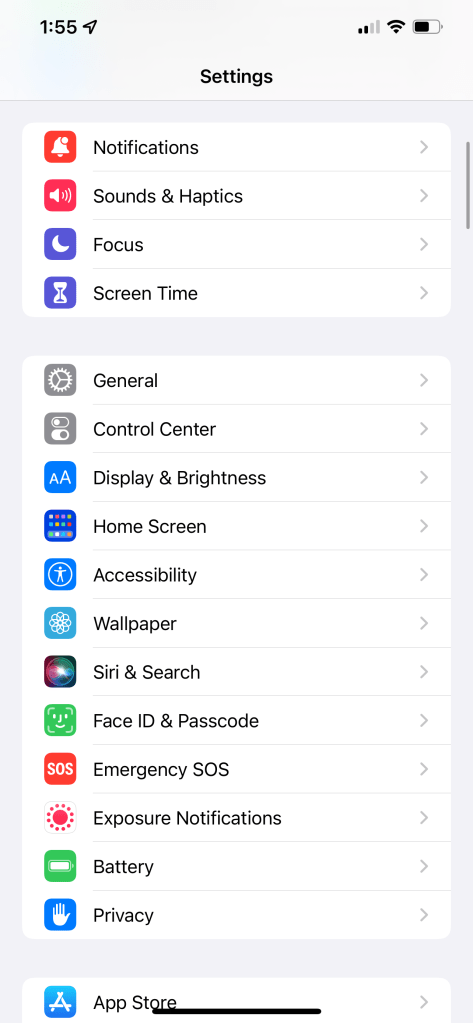
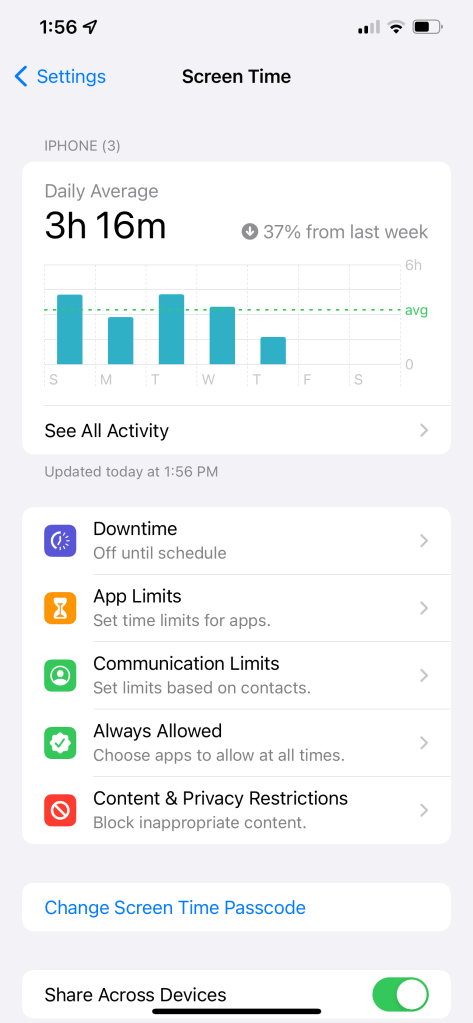
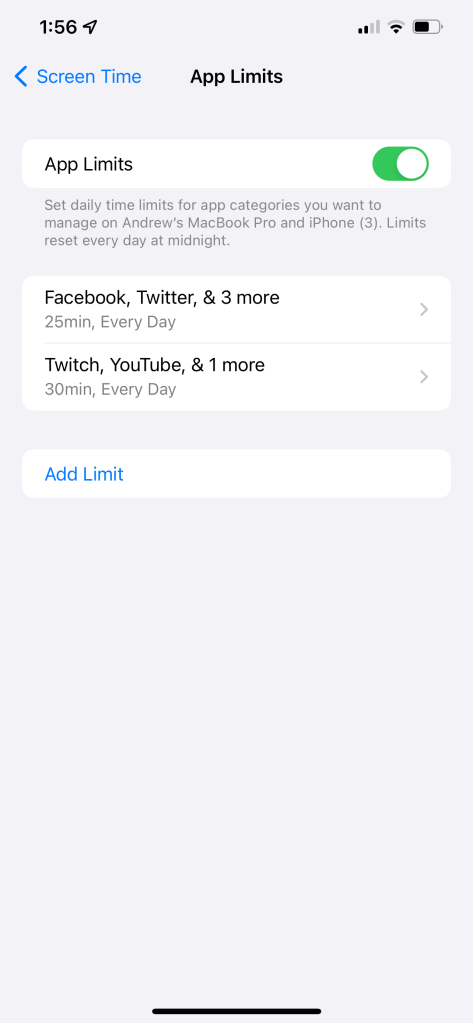
Let’s start with minimizing phone usage. For iPhone users, in settings, you can go to Screen Time then select App Limits. I have one limit for doomscroll apps like Twitter and TikTok, and one primarily for YouTube.

My tech is almost entirely in the Apple ecosystem, which is great for syncing this, since these same limits apply to Safari on my Mac.

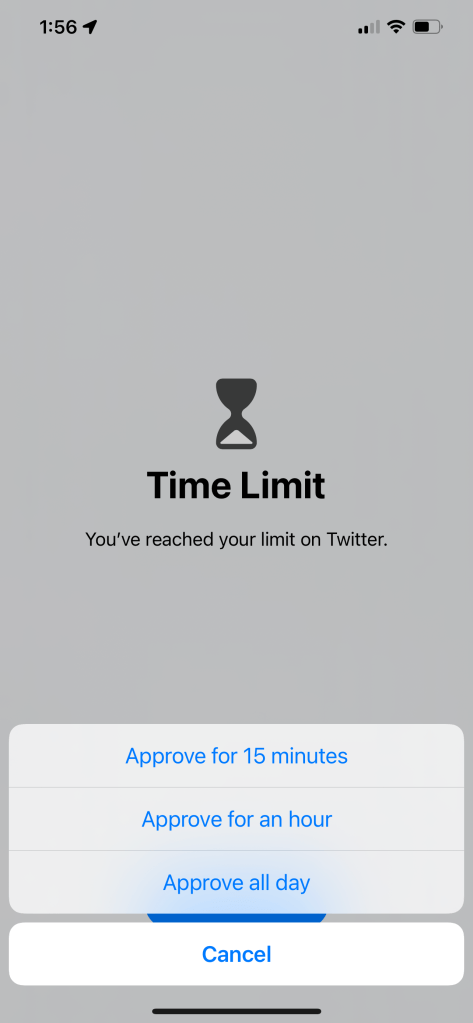
Basically, I can still use these apps, but simply knowing there is a time limit forces me to be more mindful of my usage. And should I really need to check the app after my limit is done, I can add a minute, 15 minutes, an hour, or the rest of the day, but this is also a conscious choice. If I have a busy day, I’m not gonna un-restrict an app for the whole day.

If you’re not a Safari user and want to do this on Chrome, get the extension StayFocusd. I used it in college to restrict time wasting sites, and it is SO useful.

I’ve also re-designed my iPhone’s pages to make these apps harder to find. And made apps I should use like Duolingo, Notion, or Headspace much more prominent.

The point is to identify the things that waste your time, energy, and mental health, then both make them harder to access and restrict the amount of access permitted. This has all but eliminated the “I don’t have time” excuse when it comes to YouTube right now, and I’m doing part time work, applying to full time jobs, and working on educating myself every day right now.

Starting Small with GOOD Habits

The good habits I want to nail are reading, meditation, exercise, and a healthier diet.

Photo by Prasanth Inturi on Pexels.com

In just about any book about habit forming, whether that’s Atomic Habits by James Clear or Essentialism by Greg Mckeown, the advice is to start small—smaller than you think you should, and make it easy.

  • I might have the goal of reading 45 minutes a day, but I started with 20 and leave my books and Kindle at my desk for quick access.
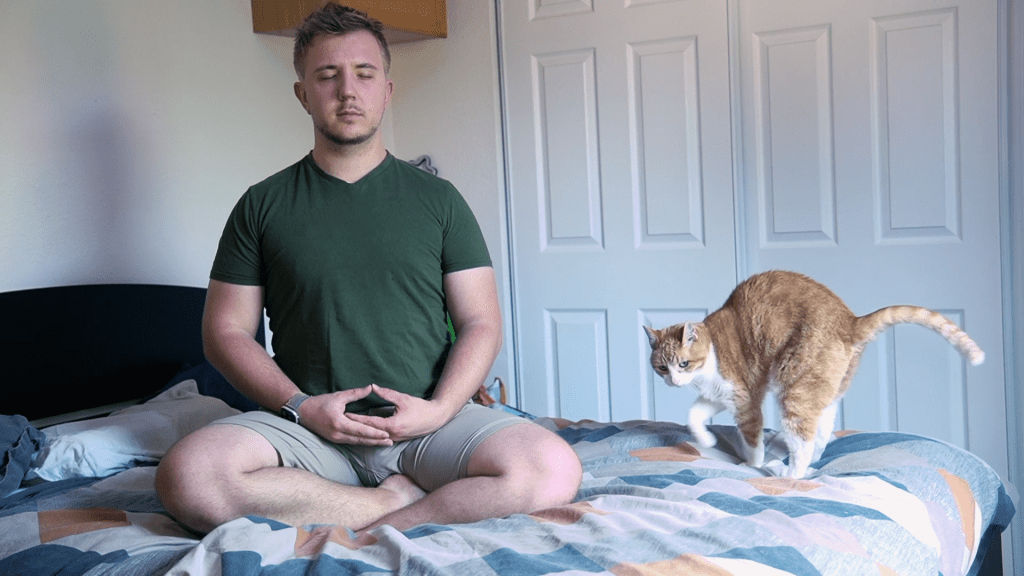
  • I might have the goal of meditating 20 minutes a day, but I’m starting with 5 and putting headspace on the main page of my phone’s home screen.
  • I might have the goal to do 30 minutes of strength training a day 5 days a week, but I’m starting with 10 and putting my weights out in an obvious place.
My cat likes to “help” me meditate

James Clear states the most important part of habit forming is simply showing up to do the habit every day, especially when you don’t want to. And this is best achieved by making those habits small and easy to achieve.

I’m combining a weekly review on Notion (modified from a Thomas Frank template) with daily tracking in Habitica to measure it all, and it’s so satisfying to visualize completing these habits every day.

While this reset is very much in the early stages, it was my infection with COVID and the isolation that resulted that afforded me the headspace to begin and commit. And it’s happening because I want to reinvent myself into the person I want to be.

Reinvention

Who do you want to be?

Photo by Pixabay on Pexels.com

There are multitudes of friction like our job, our habits, or even our friends and family that might prevent us from being that person, but I ask again: who do you want to be?

I frequently think “I’m not the person I want to be,” but rarely have I ever asked “Who is the person I want to be?”

Like, I don’t want to be a depressed, overweight, wannabe creator who doesn’t like his job and can’t afford to move out from his parents’ place (but I am deeply grateful for their support!)

Taking these things I don’t want to be, I thought, what do I want to be?

  • I want to be a passionate, energetic, athletic person who has no hesitation to create and deeply understands the audience I create for.
  • I want to have a job that I love and can bring passion for every day.
  • I want to comfortably afford to be able to move out.

Once again, don’t just consider who you don’t want to be, build an image of who you want to be. You can run away from something in every direction, but if you’re not running toward something, you’ll just get lost again.

Photo by Jens Johnsson on Pexels.com

I don’t just want to stop being out of shape. I want to be a person who exercises regularly and eats healthily.

I don’t just want to reduce my anxiety with making content. I want to be an excited, passionate person who is a leader to their community and simply creates without hesitation—who achieves their goals, not just coping with a relative lack of achievement.

The reinvention sets the goal, the reset gives you a clean slate to redesign your life to be congruent with that goal, and resilience helps you carry through.

To summarize, but in reverse.

I’m at a point in my life where I need to reinvent who I am. Circumstances have given me the reset to start building the habits and systems to move in that direction, and I hope to maintain the resilience to see it through… even with the privilege.

Your questions to consider:

  • Who do you want to be?
  • What do you need to change about your life to do that?
  • If you’re struggling to make those changes, how can you make it easier, and how can you show more resilience?

Monetize Your Content Without Brand Deals – #GetSponsored

It’s a lot easier to go full time as a creator the more sources of income your content generates.

Many people pursue sponsorships to supplement that income, but there are many more ways to monetize your content without brand deals.

1. Use Your Platform: Earn YouTube Partnership or Twitch Affiliate

Photo by Till Daling on Pexels.com

The income from the platform you make content on is the most reliable income as a creator

Aside from work I’m paid to do, like freelance stuff, this is by far my most reliable income from creative work. I average $40-60 per month strictly from YouTube ad revenue as of writing this article

Furthermore, the better established your brand and message, the more effective everything other point becomes—if your audience is more connected with you, they’ll trust your recommendations and products more.

2. Try Affiliate Programs

Photo by Miguel u00c1. Padriu00f1u00e1n on Pexels.com

Many, many, many sites have open affiliate programs. If you talks about products and services people can find on those sites and simply briefly mention these links in your content, you’ll earn a bit more income from your content.

The best affiliate program by far is Amazon Associates—everyone has Amazon, and there’s zero friction in gathering links. I earn $10-20/month from affiliate sales, which at a 3% cut is the equivalent of driving $300-660 in sales

Other programs include the following:

  • Ebay
  • B&H
  • Humble Bundle
  • Robinhood (and most investment platforms)
  • and much, much more

3. Use What You Already Do: Find Overlaps Between Other Work and Your Content

Photo by Marc Mueller on Pexels.com

I started freelance writing role at MakeUseOf writing tutorials, primarily for Apple products, where I get paid per article. The articles I write will very often be related to things I can make content about

Basically, the research and writing I do for MakeUseOf can then be used again for making videos. And while I can’t promote myself in my articles, I can promote the article in my video and earn additional ad revenue from the clicks that generates.

Effectively, I’m getting paid to research and prepare for my own content by doing that research and prep for an employer as well.

If you’re not a tech geek like me, here are additional ideas:

  • Love streaming new indie games? See if sites like PC gamer want authors for reviews or guides. Your content will be to stream the game and make videos, but you’ll get paid to write about that experience. This applies to more or less any kind of journalism topics you can simultaneously make your content around.

  • Work in computer science? Use what you learn from the job to make content, like tutorials, interview prep, day in the life vlogs, or solutions for specific problems. This framework can apply to any industry.
    • This is exactly how I started my #GetSponsored content, as I was the one who organized influencer brand deals (among other things) at my past role with AVerMedia. This made me qualified to speak on such topics!

Do keep in mind any policies the employer might have about owning your work, plagiarism, and things like that. I have written confirmation that what I’m doing is fine my freelance role. As long as I don’t promote myself in my articles, I can make content about the same topics as my articles and am actively encouraged to share said articles in my own content.

4. Sponsor Yourself—Promote Your OWN Products & Services

Photo by Raqeeb Ahmed on Pexels.com

Sponsorship segments are typically to promote a company’s product or service. But what if you had your own product or service to promote?

Many creators make merch, like clothes, bags, bottles, and the like, but that’s honestly too generic, especially if you’re a leader in a smaller niche. You can make what you do into the product.

Let’s consider a few examples

  • If you’re a musician, you might encourage your audience to buy your songs or add them to their Spotify playlists. If you have any concerts, you might promote those as well.

  • If you’re an expert in a subject, you might write an ebook or make a (reasonably priced) course on it. Make sure it’s worthwhile for your audience, as influencer books and courses have a mixed reputation. However, if you have the skills and can do it better or differently than what already exists, go for it.

  • Similarly, if you’re an expert at something, you might open yourself up for paid coaching sessions. You’d be surprised the areas where you can be a mentor. My friends Rickles and Egaz use Metafy, an esports coaching platform, to coach in Super Smash Bros. Whether it’s a game, a sport, an instrument, or any other skill, coaching and teaching are all viable services.

  • If you’re an artist, sell prints or other pieces and promote them. My friend BigRigCreates made this amazing holographic Spiritomb he’s selling on his Etsy, and the making of was already viral content on his TikTok. 
@bigrigcreates

#answer to @ScaredofSalmon You’ve been waiting, so here it is. #spiritomb #pokemon #craft #tech #3dprinting

♬ original sound – BigRig Creates

The point is, you don’t need to #GetSponsored by a brand to #GetSponsored. You can provide a product or service and promote yourself. Remember, you’re not exploiting your audience if what you’re selling provides genuine value to them and is more than worth the price.

Price higher than you might think you should, but price fairly. You’ll be surprised about the support you’ll earn. Furthermore, a good portion of your audience will want to support you financially!

5. Gather Patrons

Photo by Keegan Everitt on Pexels.com

On that note of audiences wanting to support creators they follow, sometimes you don’t even need to offer a product or service for your fans to offer patronage—hence why platforms like Patreon exist.

Patreon isn’t the only platform to gather audience support. Here are a few more optons:

  • YouTube channel memberships
  • Twitch subscriptions
  • Super Follows on Twitter
  • Numerous other paid membership services like Ko-fi (Ko-fi has ZERO fees!)

While these services are all well and good, you need to uphold the expectations you’ve given your audience related to your content and these platforms.

  • Will you be offering any exclusive rewards/content for your patrons/members/Twitch subs/super followers, (IE. Private Discord server, behind the scenes videos, etc)?
    • If yes, can you manage that workload consistently?
      • Are the rewards and content worth the price?
      • Is the whole premise of your membership to support you, or is it for the exclusive rewards content?
    • If no, is the content you make consistent enough to warrant a paid membership? This is consistency in both quality and frequency.

  • Are you comfortable asking your audience for money with little/nothing in return other than supporting you?
    • It’s perfectly acceptable to say no and opt only to ask for money when you have something to give in return (IE for a product or service)

  • If you have multiple membership platforms (IE. Twitter Super Followers + Patreon), will these groups be treated differently?
    • Will they get the same rewards and content?
    • Is there an incentive for your followers to pay you on multiple platforms (IE. different rewards for different platforms)?
      • Are these differing incentives worthwhile for your community? It’s not greedy to ask for money, but it can be if a follower needs five separate paid memberships to fully support you.

While your audience might love to financially support you, you need to ensure the expectations they have surrounding that support are clear. If you make a Patreon and offer monthly exclusive content and fail to deliver, your audience might have been happy to support you without that content, but if they expect something that never comes, they’ll be disappointed.

Ask your audience for support. They’ll probably be very open to it as long as the expectations are clear!

Everything You Make Is An Asset

Photo by Brett Jordan on Pexels.com

By now, I hope you realize this. Your content isn’t just content—it’s the greatest asset you have in today’s digital world. Sponsorships and other brand deals can help increase the value of these assets, but there are many ways to do so yourself!

Monetize the platform you create on via YouTube Partnership, Twitch Affiliate, or whatever monetization exists for your platform of choice for your content.

Consider affiliate links if you frequently recommend products or services. You don’t even need to mention them in the video—simply add them in the description.

Find overlaps and see how other work you do can be used in generating your content assets (and vice versa). Use the knowledge you’ve gained in your career in your content.

Sponsor yourself by promoting your own products and services. Price them higher than you think you should (but fairly), and make sure the product or service is worthwhile.

Gather patrons to support you and your content. Make sure your audience knows what to expect and that you can live up to those expectations, but you’ll be surprised at how much support you’ll earn from your community.

Notice that every point has one thing in common: your content. Don’t underestimate the value of the content you make for free and the support you can generate from it. It doesn’t take a brand deal to #GetSponsored—it just takes you.

By Andy Cormier—Follow me on Twitter and Twitch, and please Subscribe to my channel on YouTube!

Next up, if you’re a creator seeking to grow your passion into a career, learn about some major factors companies consider when selecting creators for brand deals.

Why Companies Benefit When You Get Sponsored

If you’ve ever had a company offer to sponsor your content, or if you’ve ever thought about getting sponsored by a brand or company, here’s something to consider: brands and companies WANT to work with creators because it benefits them too.

In fact, the company likely benefits from your sponsorship as much as (if not more than) you do. Here are some of the ways that companies benefit from sponsoring content creators:

1. Companies wouldn’t look into creators for brand deals if they weren’t profitable or effective

Companies want to make money, and they do that by selling stuff. They know that people will only buy things if they are aware of the product and brand. The best way to achieve this awareness is through advertising, which can take many forms: television commercials, billboards, social media posts and influencer marketing campaigns.

These are all examples of how companies try to get their products in front of consumers’ eyes. In other words, creators present the latest and, in some cases, most effective method of advertising

As a sponsored creator making promotional posts for brands on TikTok, Twitch, Instagram, or YouTube, you’re essentially acting as the middleman between your audience and advertisers by giving advertisers access to your audience and your audience recommendations to relevant products. Of course, don’t scam your audience or share completely irrelevant products with them (that’s not effective advertising), but companies wouldn’t sponsor creators if it weren’t effective advertising, whether that be direct profitability or to grow brand awareness.

2. Companies can find an engaged audience within a specific niche to have high-impact advertising, much better than traditional wide-spread means

Let’s say you’re a creator who reviews keyboards. You already have an audience who is looking for content about keyboards. You’d probably be a perfect fit for a company to send a keyboard to review to develop product awareness. Furthermore, if it’s a keyboard you would recommend, you might be a perfect fit for that same company to sponsor to promote in other content.

The point is simple: if your audience is the niche the company wants to reach, you’ve already gathered them all in one place through your content and community. It makes sense for the company to want to advertise to them through you. While some brand deals aren’t exactly relevant to a niche (but aren’t entirely irrelevant to the audience), functioning more like billboards or TV ads (IE. mobile games, VPNs, male hygiene), it’s still more effective than traditional advertising in many cases because a creator is a person.

3. Creators add a FACE to ads – audience wants to support creators more than a faceless corporation

In today’s digital world, there are a lot of faceless corporations trying to sell you things. However, audiences want to support creators more than any faceless corporation ever could. It’s much easier for people to relate and connect with other people than it is for them to relate and connect with a faceless corporation (which is why companies sponsor content).

When people feel like they know someone, they’re more likely to trust that person; this goes especially true when those individuals are endorsing products or services (like how advertising works). As you make content and build your community, this makes your audience feel as though they know more about who you are as an individual—which then creates loyalty toward you. Don’t exploit this loyalty (IE, don’t scam your audience, and maintain your integrity), but your audience will trust a face they trust more than corporate ads—it’s simple word-of-mouth marketing.

4. Word-of-mouth is arguably the most effective form of marketing, and creator brand deals are word-of-mouth at scale

Word-of-mouth is arguably the most effective form of marketing, and creator brand deals are one way that companies can make it happen. You’re more likely to act on a recommendation from a friend you trust than an advertisement, and creators can be that friend you trust on a global scale.

Since most content creators are themselves part of a community and have an established following, they can serve as a gateway between brands they’d recommend and their followers for word-of-mouth recommendations. On top of that, a lot of people only trust word-of-mouth and completely reject traditional advertising.

In most cases, audiences trust creators’ recommendations, and creators can have huge audiences. This is word-of-mouth marketing at a scale gigantically larger than what was possible before social media. While sponsored segments are a gray area, as the audience trusts the creator but will usually recognize the recommendation is paid for. However, if you are choosy with the deals you take and maintain integrity in your recommendations, your audience will respect your integrity and likely support recommendations you make, even if they’re sponsored. 

5. Community good will – good companies who support creators, especially for charitable causes, get a lot of brand equity via giving back to the community that buys their stuff. This makes people more loyal and more likely to buy MORE stuff

You may have heard about community good will, but what does it mean for a company?

By getting involved with creators and supporting them in ways that give back to the community that buys their stuff, companies can garner significant public support. And being seen as a good company means more loyalty from customers (which leads to more sales). It’s basic marketing: if people believe you care about them, they’ll be loyal to you.

Not all companies actually care, of course (most don’t), but whether or not they truly care, a company giving back to the community still benefits the community. When creators make content about charitable acts, they’re still performing charitable acts. The same goes for companies—the intention doesn’t have to be pure for the result to help.

6. Creators make unique content for companies – This can add distinct variety to otherwise generic corporate marketing

When a creator is sponsored by a company, they can add their own unique spin on the brand’s existing content. Creators often have their own unique style, and they’re more likely to inject it into their sponsored videos than content made by a company, which often has extremely strict standards for presentation, language, etc.

For many creators, the ad segment can be an additional piece of entertaining content (look at Daniel Thrasher’s “sketch after the sketch” technique). Furthermore, companies that give creative freedom in their ads often get better ads and better recommendations. Many creators would happily recommend a company simply because they were fun to work with and paid reasonable well. If the content is good and the ad is also worthwhile content, it’ll likely perform better for everyone involved—maybe evening going viral.

7. You might make an ad for a company go viral because your CONTENT goes viral

For companies, sponsoring creators can be a gamble—what if the video doesn’t get many views or engagements and the company loses money on that ad? The opposite is also true—what if a company drives exponentially more sales than expected because content goes viral?

You can’t predict viral content, but if content containing any ad goes viral, so does the ad. A lot of brand deals aren’t immediately profitable for companies (note that brand awareness might be a goal more than immediate profitability), so if content goes viral, the company sponsoring it benefits dramatically.

Conclusion

Brand deals and sponsorships are beneficial for companies as much as they are beneficial to creators. They’re scalable word-of-mouth marketing within an engaged niche, which is more effective than most other forms of advertising. Companies can build strong relationships with communities, support creators, and gain unique advertising content through brand deals, all while driving sales. Companies help creators succeed financially, and creators help companies succeed financially.

It can be jading to know why companies sponsor creators and that it’s primarily financially driven, but just like when a company gives to charity, the recipient benefits no matter the intention. Your sponsorship will help you be more free financially, even if the company wants a slice of your success. Also remember that many companies do legitimately care, or at least have employees who do (I was certainly one of those employees at my previous role)! As you #GetSponsored, remember this: companies benefit from sponsorships too—know your worth!

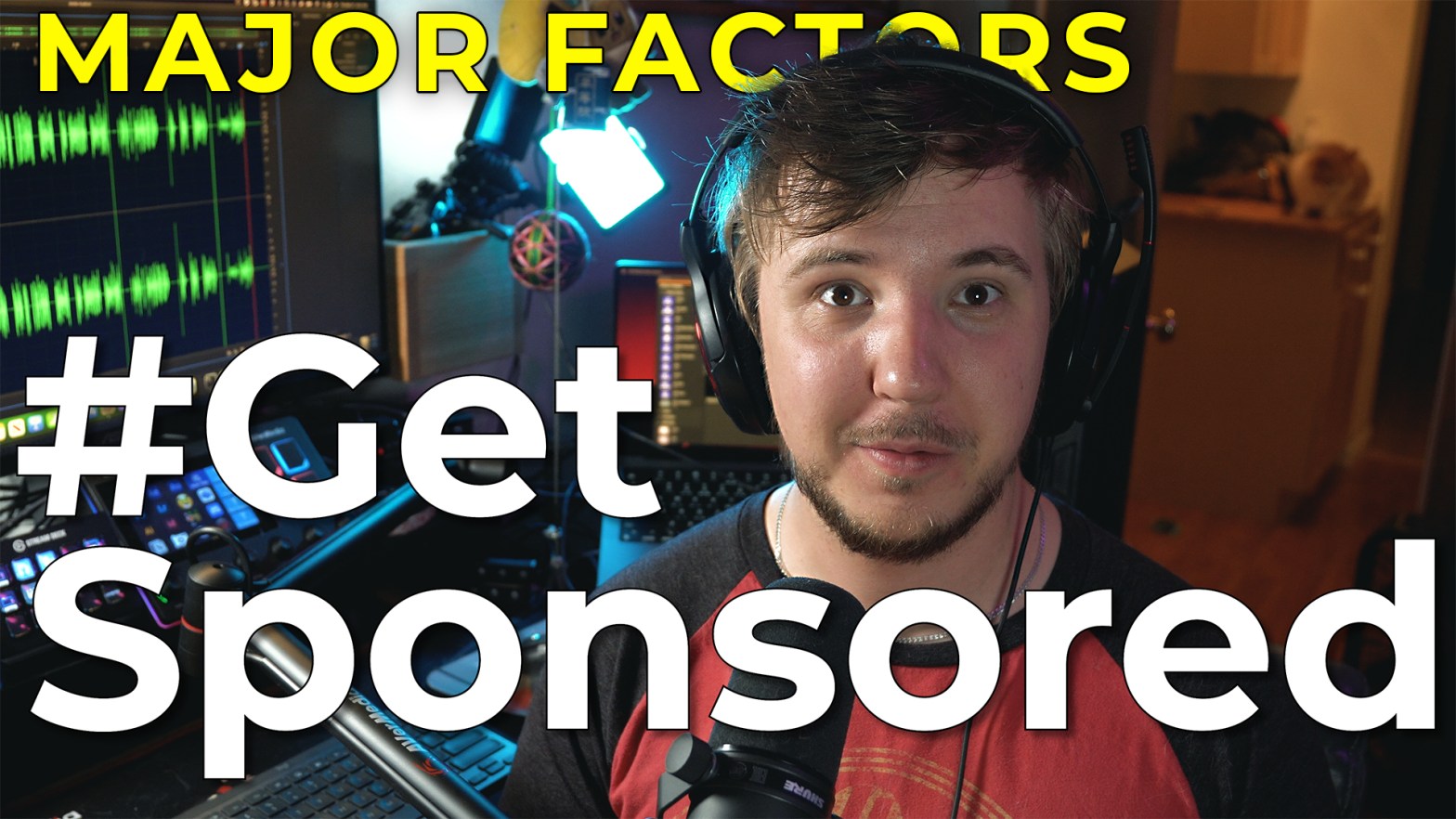
Brand Deals – Major Factors to #GetSponsored

Are you a YouTuber, streamer, podcaster or some other kind of creator? Do you do your creative work on the side but dream of making it a source of income or even your full time job?

Many people pursue this goal, but very few succeed, and it’s not for a lack of hard work or talent. It’s often a lack of knowledge of how to navigate the industry and how to market yourself to a community and to companies.

I’m Andy, experienced with industry insights to help creators close that knowledge gap and get sponsored! I’ve done multiple rounds of onboarding new partners at my current position with AVerMedia, and there are things I’ve noticed that make some creators more successful than others when it comes to brand deals.

Today’s post will discuss some extremely important factors that companies look for in influencers they might want to sponsor:

  • Fit
  • Content Quality
  • Consistency
  • Community

Keep in mind every company is different and will have different standards, but these apply in many cases!

Watch the video below, read the blog for reference, or both!

Fit

What does it mean to be a fit for a company?

Frankly, “fit” means different things to different companies. I can’t give you every possible area to consider, but we’ll go over a few major things to think about

Are you brand appropriate?

Content for all ages likely wouldn’t get sponsored by an adult brand, while content for older viewers wouldn’t get sponsored by brands for kids

Basically, is there anything that would put you wildly off base for this brand? Would your audience be confused seeing this brand on your channel, and would the brand’s customers be confused seeing you promoting the brand?

Like, if you have a very mature brand, it’s unlikely that a brand like Nintendo would view you as a good fit, however, you might be perfect for a brand like Adam and Eve. Similarly, if you’re a travel vlogger, you might not be a great fit for, let’s say, furniture or bulky hardware, but you might be a great fit for travel-sized vitamin supplements, a small camera, or a trip booking company.

Think about your message, style, or content, and examine if it aligns with something about the brand or its products

If you’re a TikTokker who only uses your phone and makes outdoor content, you probably wouldn’t get offers from a gaming peripherals brand but might be a great fit for a shoe or clothing brand

If you’re a gaming streamer, you might be a great fit for that gaming peripheral company but less of a fit for an outdoor-oriented brand

In this case, it’s basically a match of values, subject matter, or some combination of these. People sponsored by VPNs generally promote privacy themselves, people who work with gaming hardware companies are generally gamers themselves.

Just as much, a company should be a fit for YOU.

If you feel negatively about or don’t connect with their products, services, or even something they stand for, it’s better you preserve your integrity.

I recently spoke in a Twitter space discussing this topic hosted by streamer @KDotDaGawd, and someone asked if their activism would be a turn off for brands. My honest answer was that yes, some brands would probably avoid politically active folks… but in that case, would YOU want to represent a brand like that? The brands that DO align with you will often give you much better opportunities in the long run – Nike had one of their all-time most profitable campaigns after partnering with Colin Kapaernick. He stood for something, and Nike chose to actively stand with him. If a company won’t at least accept your message, you’ll be better off pursuing other avenues.

And you’ll have more avenues when you maximize your…

Content Quality / Skills

More than anything, your content should be good. I see a lot of people try to get sponsorships before they try to make good content. Good content begets sponsors, but sponsors won’t make your content better. Earning sponsorships might give you the freedom to spend more time making it better, but if your content is lacking in its fundamentals, focus on improving that before you seek sponsors.

Lots of creators are so good at what they do, that the sponsored segment itself is worthwhile content! Look at the classic Game Grumps Crunchyroll ad, any or ad Daniel Thrasher does. Your sponsored segments CAN just be ads, but these are examples to show that good content should come first

There are also cases where people with amazing content but not too many followers get sponsored. One creator I follow, Big E, discusses this in one of his videos. He focused on the craft of storytelling, and despite not pulling in many views at the time, he got a huge sponsorship deal because his content quality made him a perfect fit to essentially make a short film for the company.

https://www.youtube.com/c/BigEUploads

And on that note, content doesn’t have to be your own videos. Can you take good photos? You can do that for companies you want to work with! Companies LOVE user-generated content! Are you technical? I have worked with partners who have gone on hiatus from creating, but have contributed a LOT by helping test products.

This is deviating from the category being “content,” but the point is, if you have valuable skills, you can get more sponsorships and partnerships than you think, even if your numbers are low.
And you can showcase your amazing content and skills with…

Consistency / Professionalism

Consistency of course applies to having a regular schedule of content and consistently keeping your online presence alive, but that’s not the only thing.

It also refers to your professionalism – will you consistently reply within a reasonable amount of time when brand reps contact you?

Will you consistently do what you say you’re going to do at the time you say you’re going to do it?

Do you give expectations for what to expect in your deliverables, then consistently deliver, if not over-deliver?

Consistency refers not only to your upload or stream schedule, but also the way you go about your work and communications. Companies will prefer the creator who consistently gets shit done with a medium following over the creator inconsistent in their communications and deliverables with a huge following

Of course life happens, and you shouldn’t push yourself too hard all the time for the sake of consistency, either in content or professionalism, but it matters!

Consistency and regularly showing up for whatever you do is one major way to build this next factor,

Community

Some sponsorships might pay you to provide high-quality content no matter your follower count, like with Big E, but most sponsorships and partnerships are looking for advertising access to your audience.

This doesn’t just mean having the most followers. I’ll discuss this further in a different post, but there are also things like engagement, demographics, things like that.

Who is your community?

What do THEY value?

Your community can determine a lot about the best projects for you.

Are you under 5K followers but have a SUPER engaged audience that talks tech all the time? You might be a perfect brand partner for a tech brand, especially if it’s a product partnership with an affiliate program to drive sales.

Do you have 100k followers, get consistent views, but fewer engagements per view than the creator with 5K followers? You might be perfect for a brand-awareness sponsorship.

We’ll be covering types of brand deals in our next post, and these are just examples, but that is to say, because advertising access to your community is a huge part of sponsorships and partnerships, it’s important for YOU to understand your community, your metrics, and what those metrics mean for advertisers – this will ALSO be covered in more detail in a separate video.

Let’s do a quick recap.

It’s important to be a fit for brands you want to work with, whether that’s subject matter, the medium of your content, your target audience, or a myriad of other factors. It’s JUST as important for a brand to be a fit for YOU.

Next, and honestly the most important thing – make good content, and constantly develop skills. And your content doesn’t just need to be what you post or broadcast to your audience – companies LOVE user-generated assets like high-quality photos, videos, and more.

Equally important, you need to be consistent. That can mean posting videos or streaming on a regular basis, but it also means consistently communicating with brand representatives and doing what you say you’re going to do, when you say you’re going to do it.

Last, know your community! Companies do deals with influencers largely to gain advertising access to their communities. Whether you’re advertising a small, engaged community with a niche interest relevant to a brand or a huge community that a brand can gain a lot of awareness from, understand your community, metrics, and what those mean for advertisers.

It’s my goal to empower creators to be better equipped to reach their goals, and I’m really happy to be at a place in my career where I’m able to. On the video, be sure to subscribe for more, leave a like if you learned something, and leave a comment if you have questions, suggestions, or more!

Using Clickbait for Good

This isn’t clickbait, but it’s about clickbait.

First, what is clickbait?

Clickbait is a modern term for a sensationalized message designed to drive clicks or increase views, but the concept of sensationalism to drive traffic has existed for over 100 years in journalism. We don’t need to go into detail, but the point is sensationalized material to funnel an audience somewhere.

A lot of clickbait is used for bad, like scam emails, useless content that you’d NEVER click on and often regret watching, and predatory advertising.

However, if used well, it can be a tool for good. If that sounds far-fetched, bear with me and read the rest of the article or watch my companion video on the subject!

Let’s start with an example. If you’ve spent ANY time on YouTube over the last few years, you’ve probably watched at least one or two videos by Graham Stephan, a creator focused on financial education.

Source: https://www.cnbc.com/2021/09/09/how-graham-stephan-makes-6-million-dollars-a-year-from-youtube.html

Financial education is something that the American education fundamentally lacks yet is likely the most important topic a young person should know before going into college or starting their career. Because financial education is near nonexistent, so too is financial literacy in most Americans. As such, Graham and other similar creators fill an extremely important niche in YouTube for this education, but how was he able to grow so much? Good and educational yet entertaining content aside, it largely has to do with his clickbait strategy.

Now, you may be thinking, clickbait? That’s ONLY a bad thing?

I view it as a tool. How do you get people to click on something or learn about something they didn’t previously have interest in, like personal finance?

Graham takes otherwise dry financial topics and makes them interesting to the average, financially undereducated person.

How to be a Millionaire in 10 years (starting from $0)

“How to be a Millionaire in 10 years (starting from $0)” is a somewhat sensationalized title, but who DOESN’T want to be a millionaire within 10 years? This is actually a bait and switch to teach people the concept of compound interest and its importance in personal finance.

Without clickbait, the video would be closer to “What is compound interest? An overview,” which while to-the-point, isn’t going to go very far. Financially educated people wouldn’t click, because they know the concept, and financially uneducated people wouldn’t click, because they DON’T know the concept and don’t care. By appealing to the desire to get rich, Graham uses clickbait to teach financial education to an otherwise disinterested audience.

Roth IRA: How to be a TAX FREE MILLIONAIRE with $12 PER DAY

Another example would be his video titled “Roth IRA: How to be a TAX FREE MILLIONAIRE with $12 PER DAY.” A video titled “Roth IRA basics” would have the same problems as the last boring title, but this clickbait-framed video yet again teaches an extremely important financial concept, and this title isn’t even stretching the truth, it’s simply providing a sensational frame. You CAN acquire a million tax-free dollars with a Roth IRA on only $12/day.

If you look at the comments, on this and other videos, there is a vast majority of young people expressing gratitude for learning this concept.

When used well, clickbait strategies can help spread important messages to people who need them but aren’t looking for them.

At the end of the day, clickbait is a means to attract people who aren’t looking for or aren’t interested in your content and use some form of sensationalism to overcome that first hurdle and appeal to them.

Graham Stephan is a pioneer in this concept of “clickbait for good” in many of his videos, and while not all of his clickbait-y videos have the same level of important message, his channel overall has used clickbait to make a huge impact on young people.

Think about it – tons of other youtubers now can use dry titles like “How to invest in a Roth IRA” BECAUSE Graham brought millions of people to a baseline of financial literacy, and it’s all thanks to good clickbait

While I’m largely discussing the positive side of clickbait and how it can be used for good, remember that it is a tool. Many more people use it for scams, shams, and spam, so how can YOU use it for good like Graham?

Put simply, make sure the content of whatever you’re clickbaiting is worthwhile. There are multiple layers to this – WHO is it worthwhile to? WHAT makes it worthwhile? HOW does your clickbait appeal to WHO your content would be worthwhile to?

NEVER buy this Ocarina

My most viewed video as of now is about poorly made ocarinas from Amazon and how to avoid them. The title is simply “NEVER Buy this Ocarina,” with myself making a disgusted face in the thumbnail holding an Amazon shopping result. The video itself is much more normal, but the title and thumbnail help me reach the WHO, new ocarina players who might make a huge mistake with the WHAT, guidance to prevent that mistake, with the HOW, visceral title and imagery. 

If I took a pragmatic approach like “Review of an Amazon ocarina,” the video wouldn’t have performed nearly as well. The point is that I use a BIT of sensationalism in the title to capture the attention of people who would absolutely find this video useful. While this is nowhere near the best video I’ve ever made, it’s by far my most viewed and the biggest driver for growth on my channel.

The best clickbait is true. Don’t lie or drastically stretch the truth in clickbait. Be noticeable, but be honest. 

My Creative Gear 2021

Hey!
This page is outdated


Click on any of this text to check out the updated one

I figure it’d be helpful if I assembled links for all the tech I use. That list keeps growing as I get more upgrades, so I knew eventually it’d make more sense to make a webpage rather than add more and more links to my video descriptions.

If you were ever wondering what I use, here you go! This page will be updated with more products and links over time.

In order, this goes over:

  1. Camera Gear
  2. Stream Gear
  3. Ocarinas I Recommend

NOTE: These are all affiliate links – simply click on the product name to see it on Amazon. Using affiliate links will help support the channel!


Camera Gear

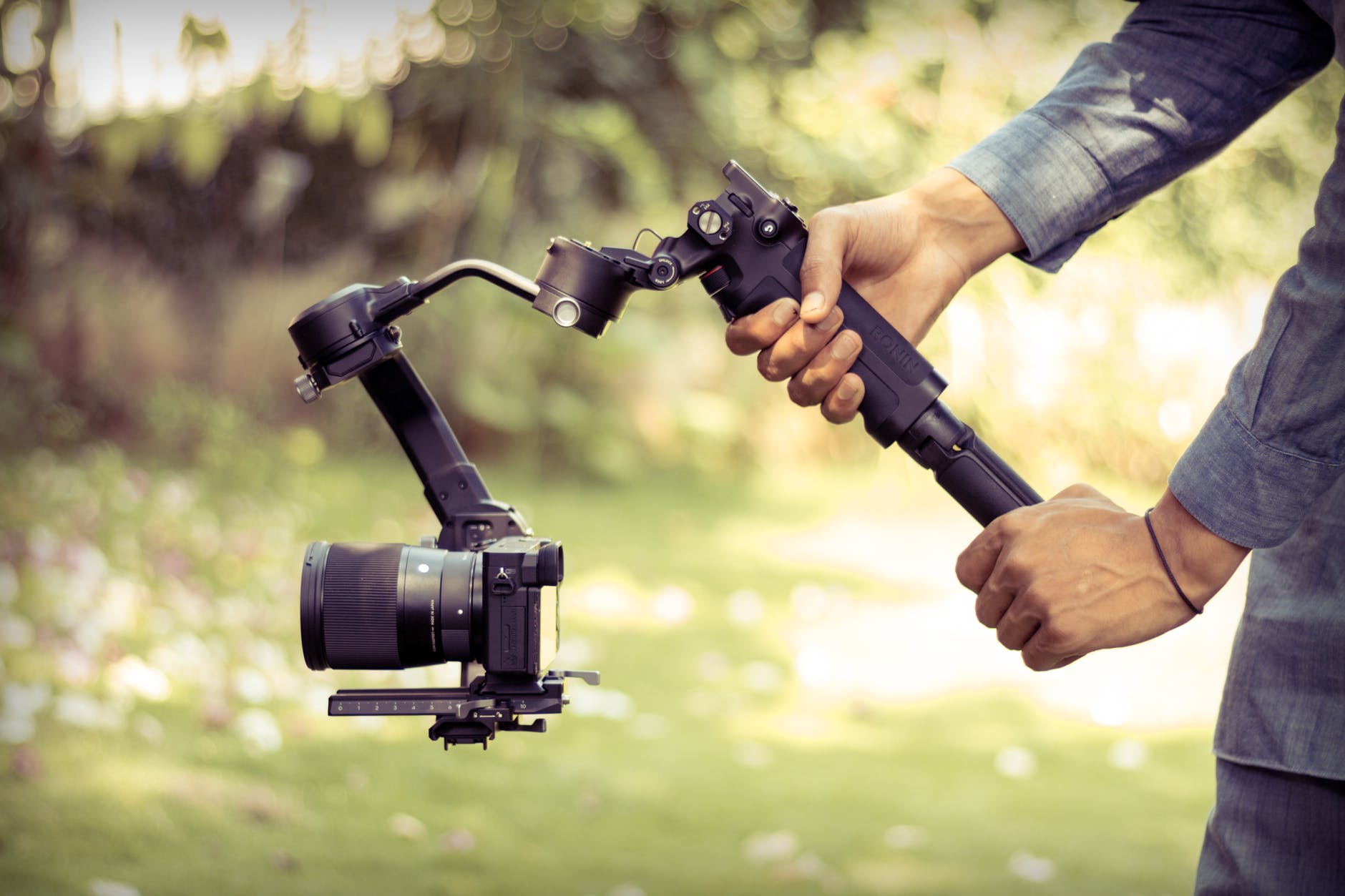
Camera Body – Sony a6600 (Sony E mount)

This camera is a beast and frankly excessive for most users. I got it on sale, but I was planning to purchase the Sony a6400, which has most of the features I wanted in the first place.

However, the in body image stabilization and larger battery have made the a6600 one of my all-time best purchases. NOTE: You’ll want a cold shoe relocator for this, as if you use the existing show, it blocks the screen.

Main Lens – Sigma 16mm f/1.4 for Sony E

This lens can’t zoom, but it’s sharpness, depth of field, and overall amazing quality more than make up for it. By far my best and favorite lens. I’ve used this for 100% of my main vlogs since purchasing it.

Keep in mind it’s rather large and heavy for a 16mm lens

Kit Lens – Sony 16-50mm f/3.5-5.6

I recommend this lens to start. It’s great quality for the price and gives you lots of flexibility with its zoom range for a variety of shots. I still use it to this day when I need to zoom more, though my main lens is the Sigma.

Telephoto Lens – Sony E 55-210mm F4.5-6.3

This lens is by no means the best telephoto lens, but it gets the job done, is light-weight, and has a crazy zoom range. I’ve definitely taken some photos I’m very proud of using this lens.

Action Cam – GoPro HERO8 Black

This is a POWERFUL little guy. My occasional vlogging cam, especially when in nature. I use it with the Media Mod and 3-way mount, but I would recommend the HERO9 if you were to buy a new GoPro

Gorilla Mount – Joby JB01507 GorillaPod 3K Kit

This thing gets the job done. Need an arm for your camera while vlogging? Boom. Need to mount your camera on an oddly shaped spot? Yup. Need a basic tripod? Done.

It also has a quick release plate, so if you want to remove your camera to charge, do some photography, or anything else you need, it’s super easy.

Secondary Camera – Sony HDRCX675*

I use a slightly different model I bought in Japan (HDRCX680) with the only difference being that mine has 64GB built-in storage.

This camera’s image stabilization is absolutely AMAZING, and its zoom goes crazy far, so if you need a easy, small camcorder for vlogging with a bit of action, this is your camera. You quite literally don’t need a steady hand to shoot smoothly, even when zoomed a bit.

Shotgun Mic – RODE Video Micro

This thing is awesome. While it’s not the best cold shoe mic you can get from RODE, it’s relatively inexpensive, doesn’t require additional batteries (super important when traveling), and still has great directional audio.


Stream Gear

Capture Card – AVerMedia Live Gamer DUO

I am 100% biased, as I literally work for this company, but this is one of the best capture cards you can get. It has TWO inputs and one passthrough, with up to 4k60 HDR/1440p144 on that passthrough and 1080p60 capture on both inputs.

This is a streamer’s best friend – connect your console to one input and your camera to the other.

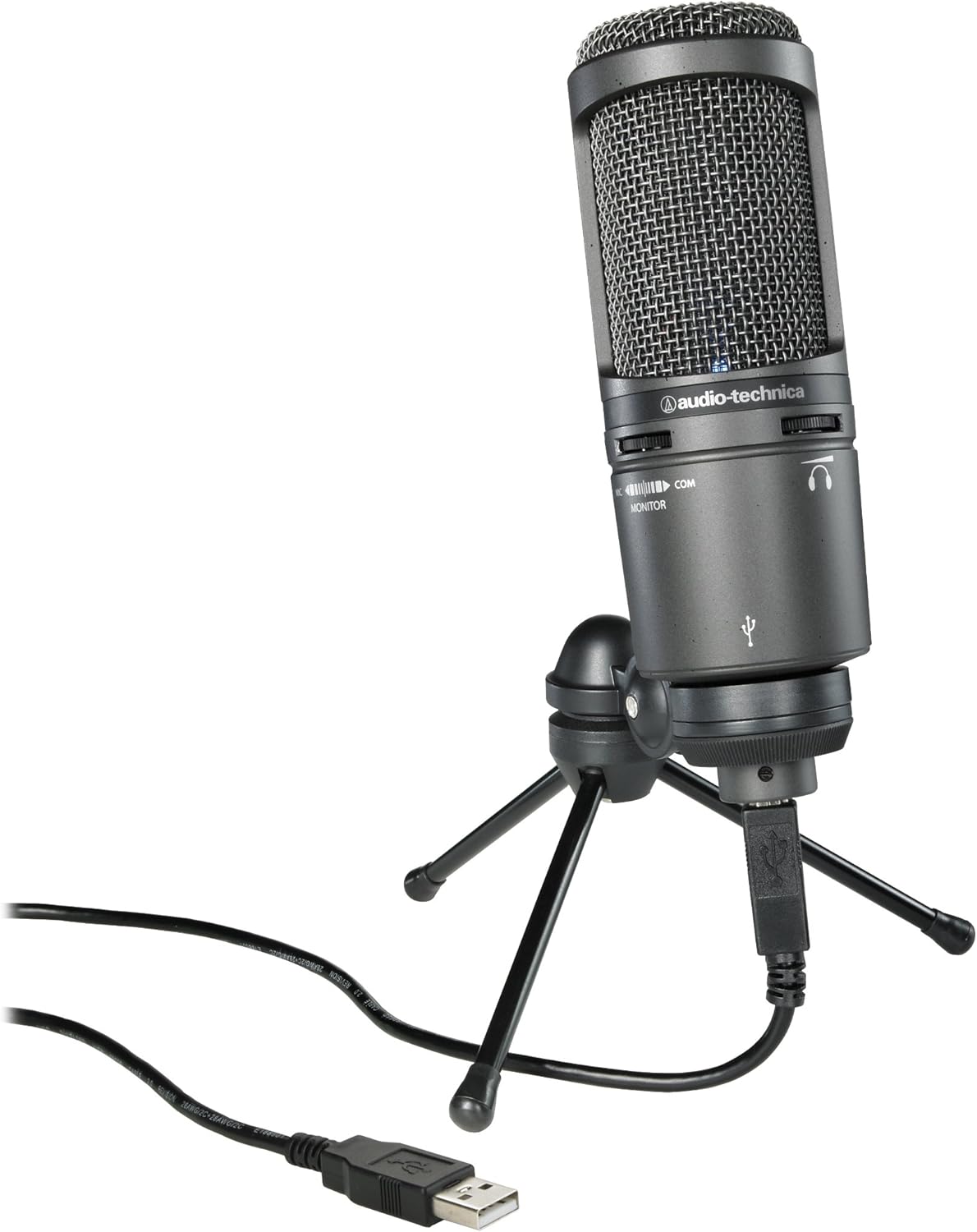
USB Microphone – AT2020+ USB

I use the old version (not the plus), but this is a solid mic. I’d recommend mounting it on an arm and using a windscreen to get it close to your mouth, but this is simply a solid mic that I use for streaming, music recording, and more.

Webcam – AVerMedia Live Streamer CAM 513

This webcam is amazing. It shoots 4Kp30, saves your settings between uses, and has an amazing picture. However, ONLY use it if you have a solid lighting setup – doesn’t need to be fancy, just needs to exist.


Ocarinas I Recommend

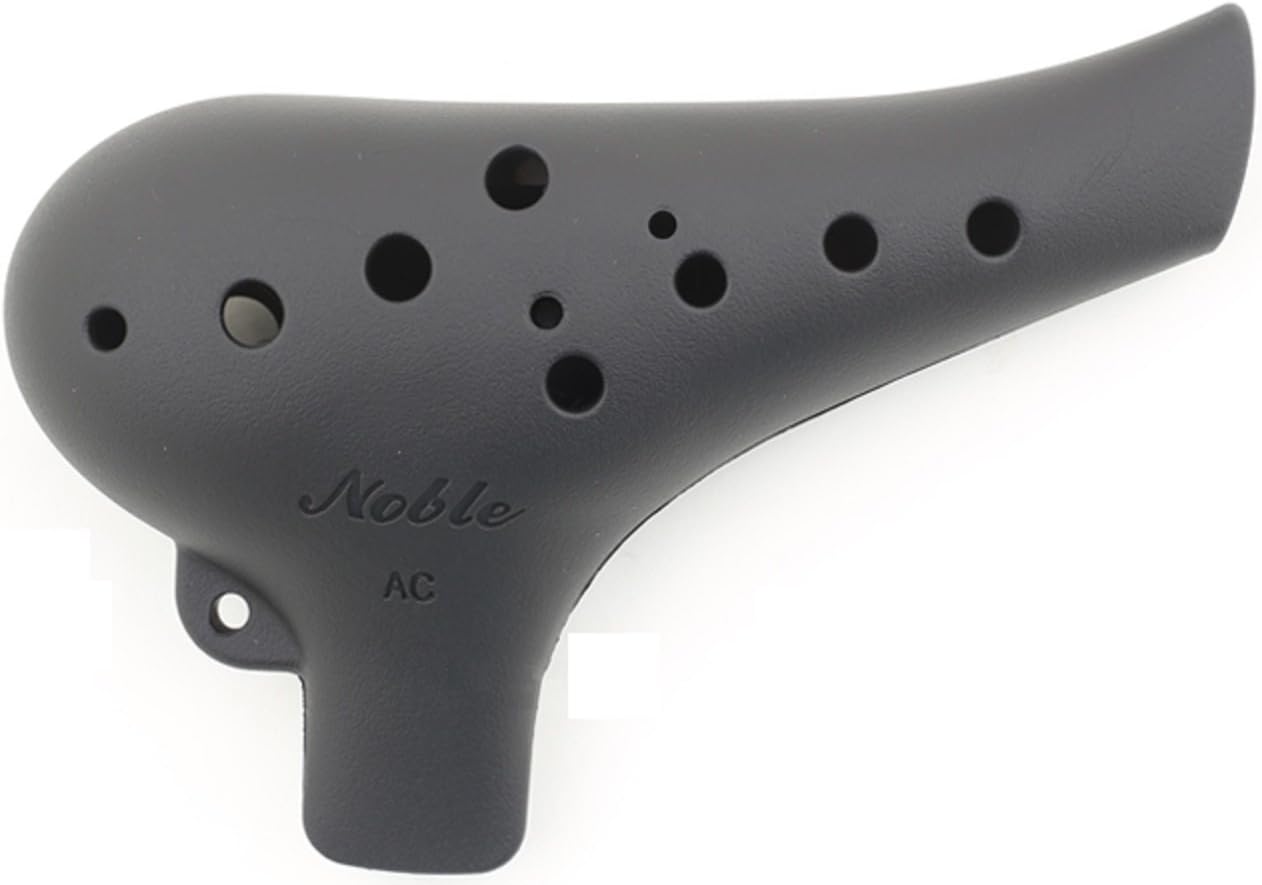
BEST Starter Ocarina – Night by Noble

This Ocarina is incredible. Many plastic ocarinas have flaws. This one has few, if none. It’s not the best ocarina you’ll ever play (it’s plastic), but if you want to make sure the ocarina isn’t the problem while you learn to play, this is by far one of the best ocarinas to start with.

BEST Starter Ocarina #2 (My most-used plastic) – Korean Night by Noble

This ocarina is just as good as the Night by Noble – in fact it IS a Night by Noble. It uses different subhole placement and is tuned to A=444 rather than 440. While I might prefer the more popular night by noble more now, this Ocarina is the one that’s travelled literally over 30,000 miles with me

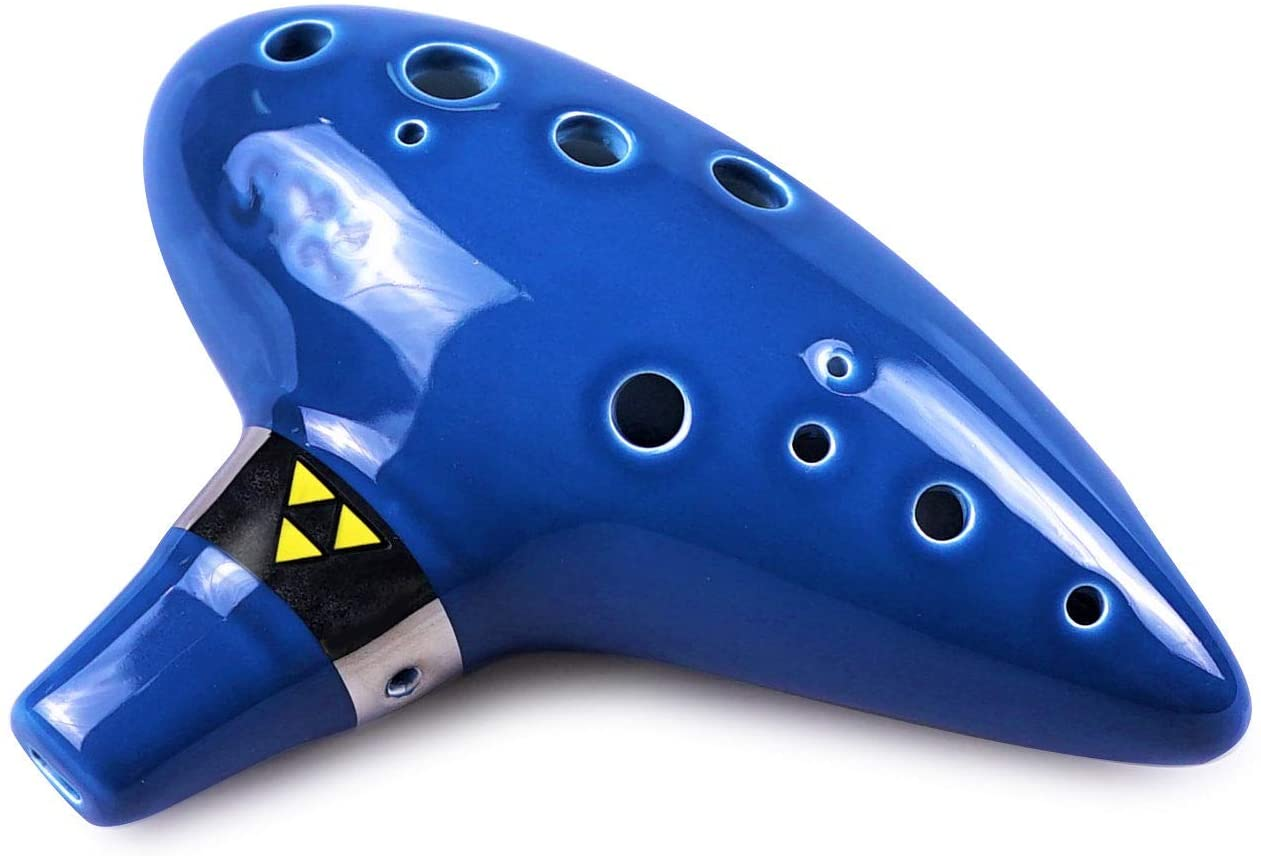
Best Budget Ocarina of Time – STL OoT Replica

If you want an ocarina of Time Replica, do NOT buy the lowest price one you see. Most of those are trash. Always buy ocarinas from trusted vendors and makers, and STL is one of them.

It’s not the best OoT replica, but the quality you get for the price is great.

MAGFest 2019: Ocabanda’s Triumphant Return

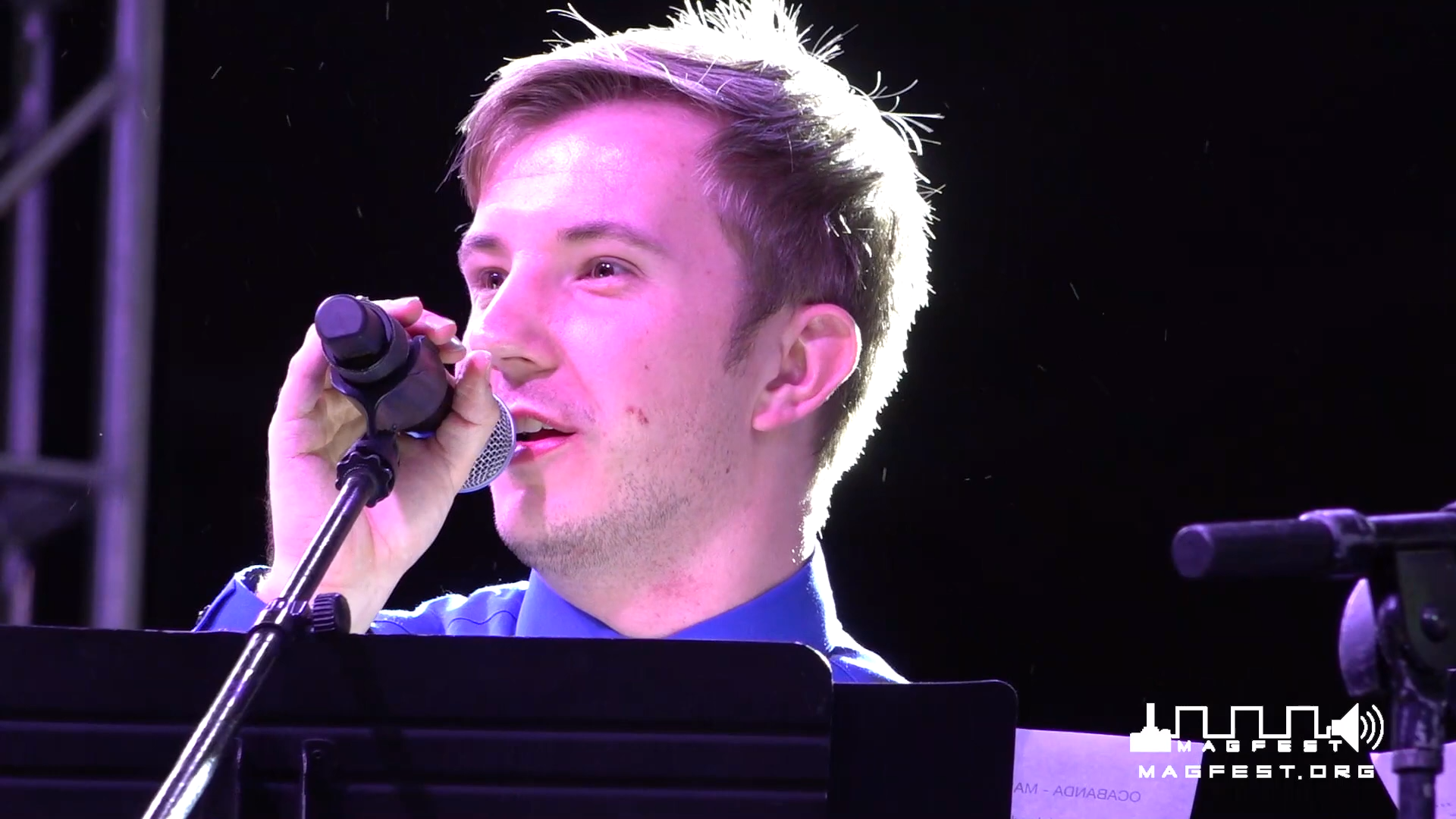
I take a final swig from the Red Bull a half hour before going on stage – after relatively sleepless nights for the entire convention, I needed to be at full energy for the concert as a musician and MC. Our time comes, and we walk on stage and start our set. We feel the crowd, and I introduce the band – Ocabanda.


Day Zero

The group that came to the Airport on 1/2/19

It’s January 1st – New Year’s Eve festivities have ended, and there’s too much to do before the big event. Ocabanda is going back to MAGFest (Music and Gaming Fest) in Maryland, but this time, we’re an official act. This means we have a main stage concert, options for a concert at the hotel bar, space to sell merchandise, and the option to have a panel. Given that we have never had so many opportunities before, we take it all. I frantically spend the day packing, since the holidays among other things took most of my attention (where my brother and his lovely girlfriend visited from Dublin, Ireland). I pack, my brother and his girlfriend take me to the airport, and I take off on my red-eye flight.

After an exceedingly short layover in Chicago, I board the flight to Baltimore where the whole band flying in meets. Tad, one of our members/the conductor, picks us up and takes us to relax, rehearse, and spend the night before we go to MAGFest. By the way, MAGFest also provided our hotel rooms and free meals. We’ve never felt so important. I also get to meet Kaitlyn’s (another band member) boyfriend Reed, and we hit it off super well. There was an attempt to make home-made butterbeer that night based off of this video, but it went horribly wrong and we ultimately gave up. Reed also happens to be a high-level Smash player, so we played a few rounds where I’d never felt so bad at a video game that I’m good at.


Day One – Exploration and Sweaters

Eating our free food in the hotel hallway like true champs

We all eventually slept, and the next morning (Thursday), we checked in to the hotel at the convention center, rehearsed, and had our first day looking around the convention. Reed and I went to the gaming hall before opening thanks to our special passes, and we played a VR-ish version of a new MechWarrior game called Battletech. It was fun, but I know the game itself is kind of pay-to-win. Next, I ended up going to an amazing panel discussing the Donkey Kong Country animated TV show and how it relates to, of all things, Buddhist philosophy. It turns out DK is an enlightened ape. I then went to the free, con-provided dinner – awesome Chinese food. To finish the night, we had… a sweater-making party.

Everyone and their plus-ones brought a sweater, and Ella (another band member) and her boyfriend Josh brought a TON of cut-outs to hot glue onto the sweaters. They made me, at my request, a pineapple, and we got to arranging our sweaters.

It takes a while, but we all finish, and we plan to coordinate wearing them on Friday, the day of our panel and our first concert. David (our band leader) and I plan out the panel for tomorrow and eventually get to bed. But what is sleep? It’s a convention, after all.


Day Two – The First Performances

We awaken, finish preparing the panel, grab breakfast, then get over to our panel room clad in sweaters. We quickly review who-says-what, do a rehearsal that we sell as a bonus pre-performance, then start the panel. We mostly ended up presenting information and it got a bit lecture-ish, but the audience was somewhat engaged throughout. When it came to my turn to speak, however, I dialed it to 11.

The audience had been listening to interesting information about Ocarinas, but it was a lot all at once. I wrote a term paper for a music class about the history of Ocarinas just a few weeks prior, so I spearheaded that section with as much energy as I could muster.

The Ocarina as we know it was made by a dude named Giuseppe Donati in Budrio, Italy… I’m going to dial it to 11 now. Hemadeamusicalthinganddroppeditandwaslikeawwshucksbutthebrokeninstrumentturnedouttoworkandhewaslikethislookslikeagoose(Oca)andsoundslikeanocarinasoi’llcallitanocarina(little goose)……etc

Paraphrasing Myself – This is how my section went, and the full video of the panel will be on Youtube on the MAGFest page.

I’m really proud of that section, and if I am remembered for anything at MAGFest, I am most proud of “The hilarious guy at the Ocarina Panel.” But that’s just our day until around noon.

All our sweaters together – taken after the panel

We rehearse for another solid segment and have our first concert at the Belvedere Bar inside the convention area. This was my first time doing the talking for the band between songs and introducing everyone (which I will refer to as MCing) for the con, so I was on full attention for everything. The concert went pretty well, and it was a great way for us to figure out exactly what to improve for our big concert the next day. Some things of note at the concert: Robbie Benson from Super Soul Bros was one of the sound engineers for us, and YouTuber SmoothMcGroove watched most of our performance. It was a great time and a fantastic learning experience.

Taken shortly before we performed

Next, we had to prepare for our big main-stage concert, but logistics would not work out. I grab dinner (Indian food), meet a cool MAGFest sound technician with a lot of awesome stories, then hang out with Reed and Josh after their shift at our merchandise booth (which we all worked shifts for to sell Ocarinas, David’s Method Book, CDs, and more). We play some Sonic Adventure 2: Battle versus games, where Reed gets destroyed. Ironically, he mains Sonic in Smash, so I can say I beat Reed’s Sonic – just not in Smash.

Our booth – Ocarinas from Songbird

The plan for rehearsal was to play songs in public at a JamPod (MAGFest’s designated music jam areas) so we could get extra reps running through our music, but that never came to fruition. Thanks to many factors between a conducting panel half the band attended going too late and general tiredness from everyone, we instead elected to not rehearse. Late that night, David and Roxy (a close friend of David’s) took me to a secret tea room specifically for attendees to relax and recharge, and after they left I ended up talking with Ella until 3 AM. It was an objectively poor decision to stay up that late, but we both needed time to relax and talk because of how busy the trip had been thus far. We return to the room and get to sleep, eager for the big day…


Day Three – The Big One

Up early for the big day, a sleep deprived Ocabanda eats a quick breakfast and jumps straight into rehearsal. We make some quick fixes and re-runs for extra confidence on our set, then go for our sound check. We have the first concert of the day – the 2 PM slot – so we conveniently have the most allotted time for a sound check. It goes well, and we finish prepping ourselves. I drink half a red bull before the check and finish it after because I needed to be at full energy to do my MCing. and it thankfully worked perfectly energy-wise.

We all get together backstage and walk on. play our first song, and the rest goes amazingly. Most other groups at MAGFest tend to be loud music you can dance to, and we were an exception. We play our full set for the concert and end up going a few minutes overtime (which would not have been the case if I didn’t talk so much), and the crowd loves us. After only a year and a half, it finally feels like we’re breaking through. We didn’t play the set perfectly and made a lot of small mistakes here and there, so we have had better technically-performed concerts, but no concert could match the pure excitement and energy flying through the air at that concert – also the sound technicians were an amazing help. You can watch a video of the full concert with fantastic recording quality here!

That’s the end of our big performance, but MAGFest is far from over.


The Night After the Concert

Now that our responsibilities were over, we could finally enjoy the convention. We all darted to different things, but I’ll recount my personal experience.

Reed and I both enjoy watching this Youtuber, AttackingTucans (Tyler), who had mentioned in a video that he was planning to attend MAGFest. My rule of thumb for Youtubers I watch is that I’m either thoroughly entertained/informed watching their videos or they would seem someone I’d want to be friends with. Otherwise I’d have too many channels to pay attention to and I don’t have time for that. Anyways, Tyler was in the “friend” category, and I was majorly hoping to at least meet him during my trip.

To make that more likely, I invited him to Ocabanda’s concert via a YouTube comment on the video he mentions going to MAGFest, and he tells me to remind him on Twitter.

I do that, and it turns out he has a schedule conflict with the concert, so he ends up unable to go. However, after the concert when the band is transferring our merchandise back from the stage area to our booth to then prepare for a JamPod set, Reed and I step out since we’re extra bodies in a cramped space. Somehow, we see Tyler walking in the distance, and we approach him, start a conversation, and he comes to our JamPod concert. Reed and I seemed to really hit it off with him, and then the concert itself went great. We almost caused a hallway blockage with the people stopping to watch, which is also thanks to the immense crowd of wizards taking up most of the hall.

After the concert, we hang out more, Tyler invites us to dinner (which we decline), and he introduces us to his friend Daniel, who turns out to also be a YouTuber. It also turns out Tyler already owns an Ocarina, so I take him to Ocabanda’s booth to buy a method book since he seemed inspired to learn Ocarina and improve his music ability. We were about to to all part ways for our various plans, but we invite him and Daniel to join us later in the evening, and they agree. Time for dinner.

Tyler, myself, and Reed (from left to right)

The plan was for all of us to sit down and eat together somewhere, but with our group of 13 we ended up splitting up after some failed attempts to seat ourselves. Some went to Chipotle, others explored other options. I enjoyed my half barbacoa half steak burrito. We all reconvened at some point toward the room, and we began our later-night festivities. Tyler and Daniel joined us from hanging out in the room to jamming down at the con and more, and I was really happy that my hunch that I’d be friends with them was true. It was one of the most fun nights of my life spending it with the band, friends from last MAGfest, and new friends.

But all things come to an end – or at least a hiatus.


Day Four – Wrapping Up

We check out from the hotel and say our goodbyes to MAGFest. The convention ended at 5 PM, but we sadly had to leave at noon due to various reasons. We check out of the hotel, grab our luggage, and pile into cars to stay at Tad’s apartment for the next night. We deposit our luggage at his place then go to a sushi restaurant.

After having been to Japan for an extended period of time, I was dubious to have sushi in the east coast (outside New York), so I ordered Tonkatsu instead. We ate up, but getting our bill took forever. We eventually paid, then returned to Tad’s for games, dinner, and a final night together. We play Mario Kart, Mario Party, Settlers of Catan, Smash, and Dragonball Z Trivial Pursuit. There was a lot going on to make a big, wonderful time to finish up with (almost) everybody. Steven had to go to the airport early in the morning, so he sadly couldn’t come. I finally pack my bags and eventually get to sleep.


Day 5 – The Next Adventure Begins

After spending the morning with some of the remaining members and saying our goodbyes, Jordan drives me to the MegaBus stop. Why a bus you ask? I’m not going home yet. Some friends from home are going to New York today and they happen to have room for an extra person, so the foodventure through Manhattan begins!


The Reflection and Gratitude

If you told me 8 years ago when I started playing Ocarina based on an impulse purchase at an anime convention that I’d be doing this with my life, I’d never believe you. It was a hobby of fun with a dash of passion that I got really into and kept up with. One year I happened to meet David, who I looked up to a lot at the time and connected with him a tiny bit then helped with the Ocarina booth the following year, thinking that was that.

Oh, lord that was just the beginning.

He invited me to join Ocabanda in our first trip to Anime Expo 2017 to test the waters, and we’ve had three more since then including MAGFest 2018, the 2018 US Ocarina Festival this year’s MAGFest. Everyone in Ocabanda has become a second family to me, and I’m so thankful for having them in my life. This band has created some of my closest connections, opened doors I never even knew existed. I’m forever grateful to everybody – David, Jordan, Tad, Steven, Ella, Kaitlyn, (originally, but unable to continue with the band) Myles, and (for one jam-esque performance and being my Fanime co-panelist and a perfect human) Daniel.

If you didn’t notice, I have lots of links to other posts in this paragraph please click them. You’ll get a fuller sense of both my and Ocabanda’s story arc. But anywho…..

Outside Ocabanda at MAGFest, I want to specifically thank Carlos and Sabrina for their constant support of the band, Robbie for his support and for running our sound board during the Belvedere concert + amazing show with his band Super Soul Bros (he’s actually partially responsible for me taking Ocarina a bit more seriously as well after jamming with him at Fanime a few times), Tia for her immense support and positive energy for the band, Tyler and Daniel (not the aforementioned Ocarina one, but the Daniel of Failboat variety) for being amazing new friends to myself and the band, Reed and Josh for all the antics of room 69, Tara for letting us stay at her and Tad’s apartment and all the help she gave us, Mark for his constant help and support with Ocabanda, David K. for the help and fun conversations, Roxy for the huge energy and support she shows us at all of our events, Nikki for the constant support, my parents for supporting me in this strange Ocarina band full of people from the Internet they never met, and everyone else who made this MAGFest an amazing time. There’s too many people to thank, so I’m certain I forgot at least a few people. I said this at the concert and I’ll say it again here – the band is just the surface. We could never have done half the things we did without the support of our friends, family, and everyone else who’s helped along the way. This is a sincere thank you.

Now let’s see where Ocabanda goes next~


That’s all folks! Here’s a picture of me with Donkey Kong.