Accidentally Climbing a Mountain in Nagano

Accidentally Climbing a Mountain in Nagano

IMG_8624.jpeg

The best adventures are unplanned.

Thursday night in Nagano – I was discussing my possible plans with the hostess at my hostel, and she recommended going to a nearby national park if I woke up early enough, looking around a Buddhist temple nearby at any time of day, or exploring the city and getting food.
IMG_8625.jpeg

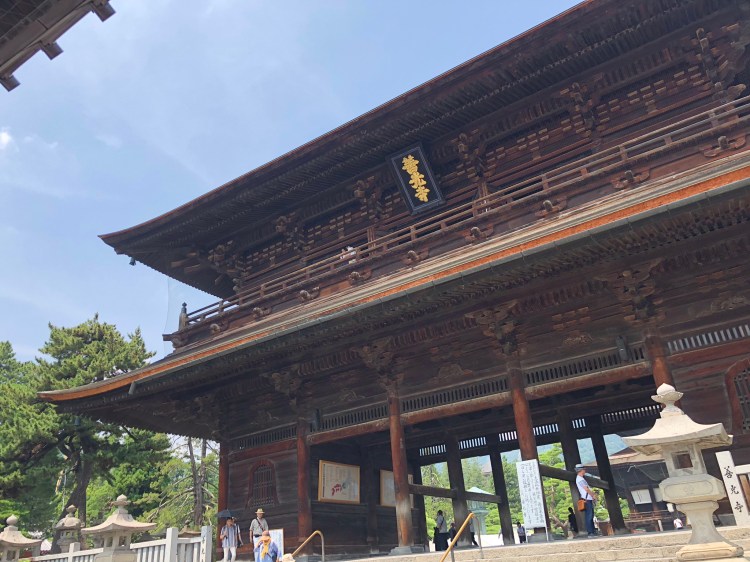
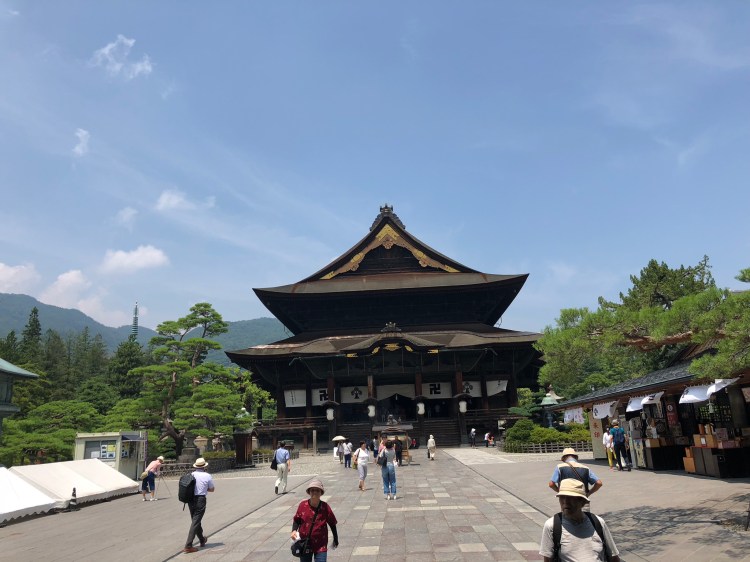
The next morning  an hour after waking, I had lunch near the temple Zenkouji. Zenkouji is the largest Buddhist Temple in Nagano Prefecture, and despite the heat and humidity, it was absolutely gorgeous and a joy to explore around. This adventure seems normal for someone in Japan, right?

Not for much longer.
IMG_8635.jpeg

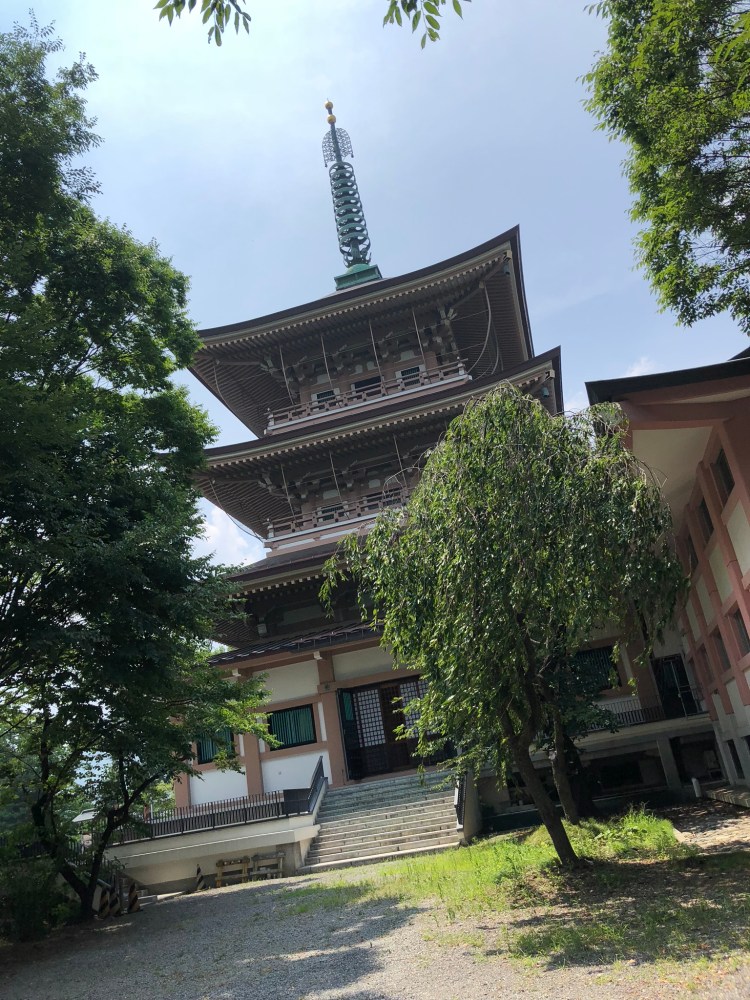
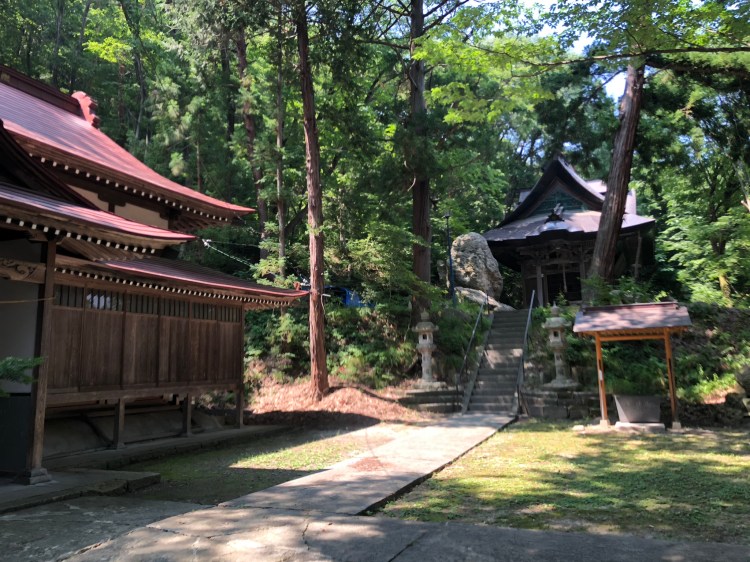
I walk to the backside of the temple grounds, and there’s this beautiful mountain nearby, and I look onto its side, and there are two more temples. I think to myself, I have dinner plans with a friend tonight, I don’t have time, but before I know it, I’m halfway to the first temple. Keep in mind, this was the hottest summer Japan has ever had ever on record. I channel my inner Forrest Gump, run along the shoulders of streets since there was no walking path, and I arrive at the first temple.
IMG_8639.jpeg

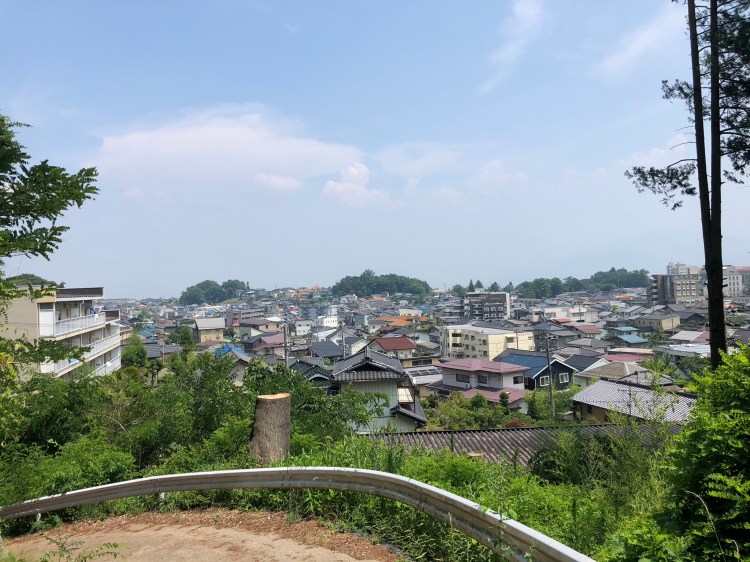
Nice. It’s pretty and Buddhist, but with a view!
IMG_8644.jpeg

IMG_8645.jpeg

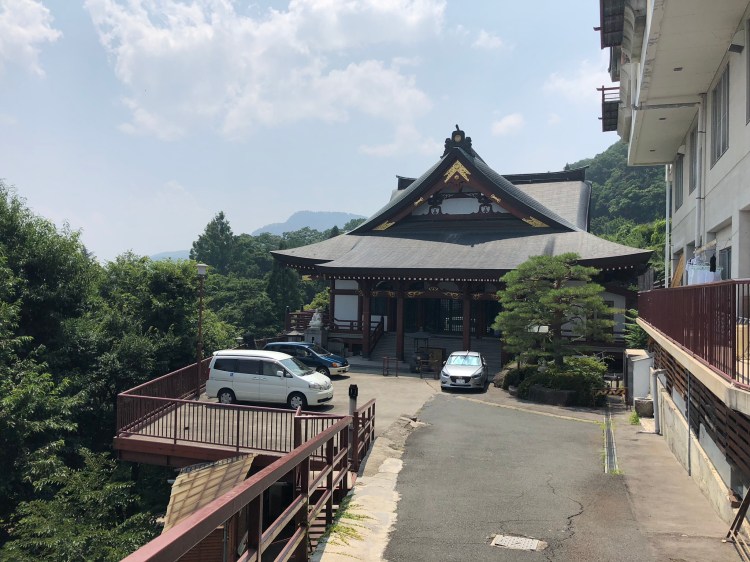
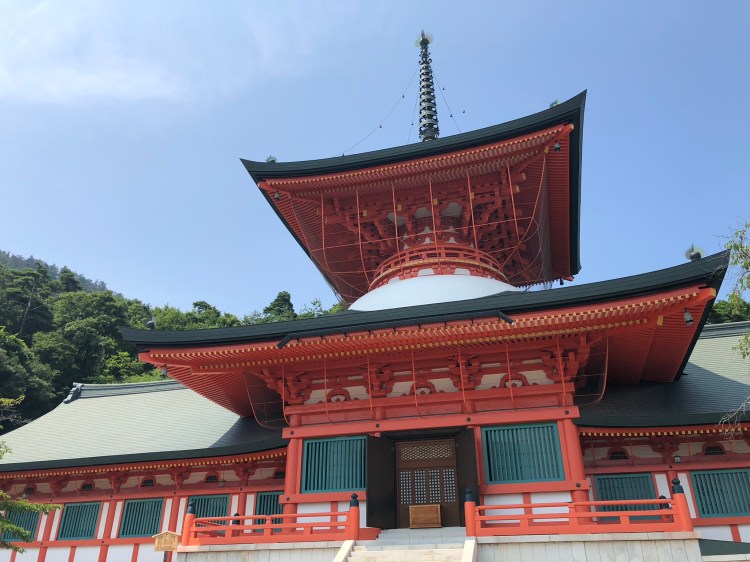
I make my way to the next temple, and I’m running precariously low on water. Devastated, I run out and think I may need to call it quits since the heat was so intense. However, only two minutes later I arrive at the next temple and I have been saved! There was a vending machine there, and I purchased two waters and one Pocari Sweat (a sport drink with electrolytes akin to Gatorade in function). Reinvigorated, I explore a little bit further past the temple pretty high up on the mountain.
IMG_8663.jpeg

Did you think this is the mountain I climbed? It’s high, decently far, and I’m a bit exhausted by now.

But we’re just getting started.
IMG_8847.JPG

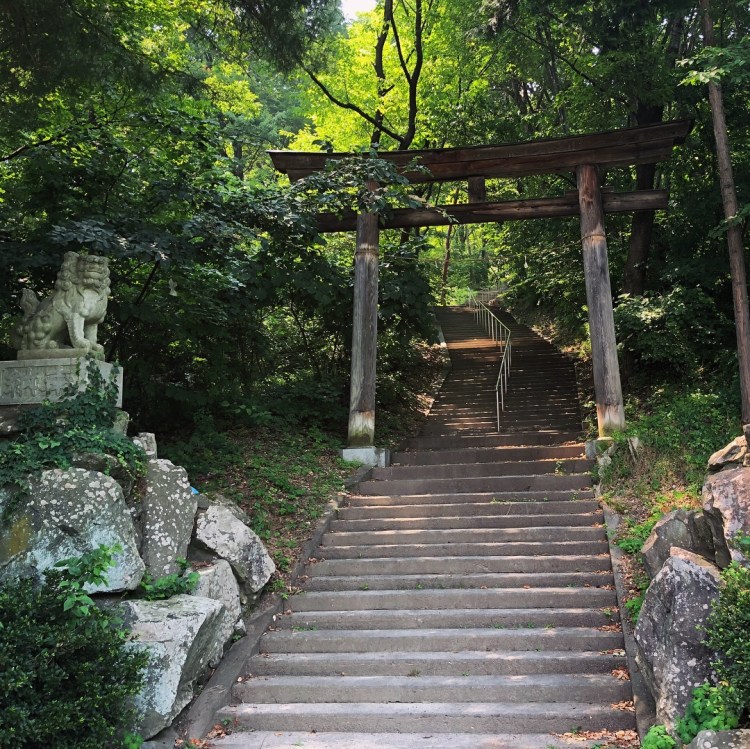
I walk by a park and I see something extremely dangerous: a hiking trail. I was just about to turn back, but I check my watch… 1:30 PM… and I decide I have enough time to at least climb for a couple hours. I’m meeting my friend at 5:30, after all, so I just need to turn back no later than 3:30 to have time to shower and make it. So, I decide to hike (quickly) up the trail.
IMG_8690.jpeg

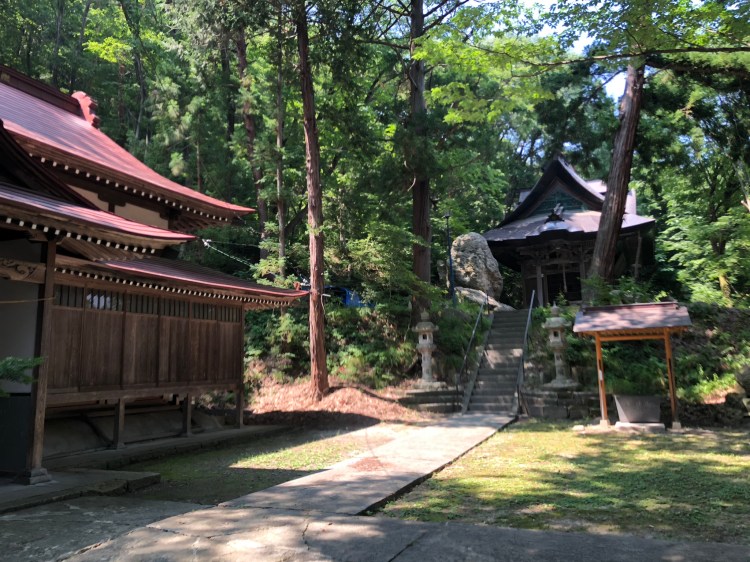
The trail started out fine, there were lots of things to see like small shrines and the like along the way, but after the second shrine all hell breaks loose. When you imagine a hiking trail, you imagine something where two people can walk side-by-side, right? At this point in the trail, the path became so narrow I had to one foot in front of the other if I didn’t want to brush up against the overgrown vegetation along the sides – not to mention the cicadas buzzing like helicopters past my ears, spiders building webs between plants across the trail like wire traps, and as I found out later the threat of bears. I was hiking entirely alone with no one else to be seen, so that made things extra paranoid for me.
IMG_8694.jpeg
This photo was taken by accident while running through the spider and cicada infested growth

IMG_8690.jpeg

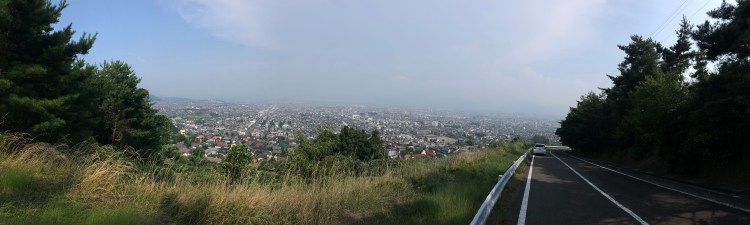
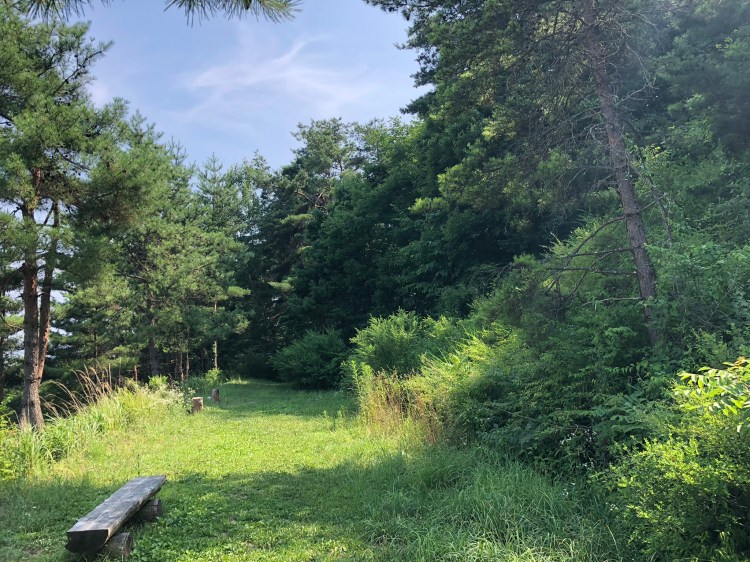
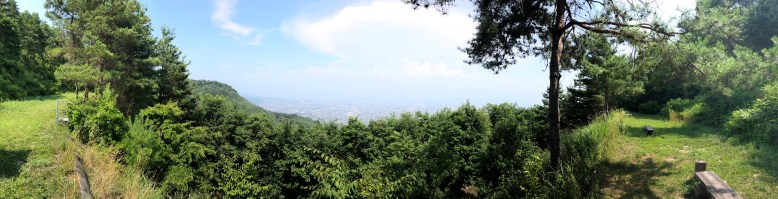
There was signage along the way, so I knew I was heading somewhere, but my only hope was that there was a better way to come down. This trail was an absolute nightmare to ascend, and eventually I arrived at a clearing where the trail eventually became at least three people wide. All it took was occasionally running and screaming through the spiders up the perilous, overgrown, infested ascent. I continued on and found something that made the whole hike worth it – an amazing view.
IMG_8696.jpeg

IMG_8699.jpeg

From the top of that mountain, on a clear day, you could see the Tokyo Sky Tree and Mt. Fuji, but the weather was overcast. You could still see out for miles and miles, and never before had I felt like I accomplished so much entirely on accident. At the top, there was a map of the trails, and I realized the path I walked to go up there wasn’t on the map. There was signage that led me here, but that particular trail wasn’t listed. On one hand, that made me realize the creepy-crawly-danger-zone was an anomaly (recognized by the park rangers but terrifying nevertheless) and that I would have a much nice descent.

The map also displayed mountains I could feasibly climb if I were crazy and didn’t have plans that day, but by that point I was tired, only had one bottle of water remaining, and it was 3:00 PM. So, following the map, I take the actual trail down, which apparently was the recommended way up, and without fear of spiders I return to the trail head.
IMG_8712.jpeg

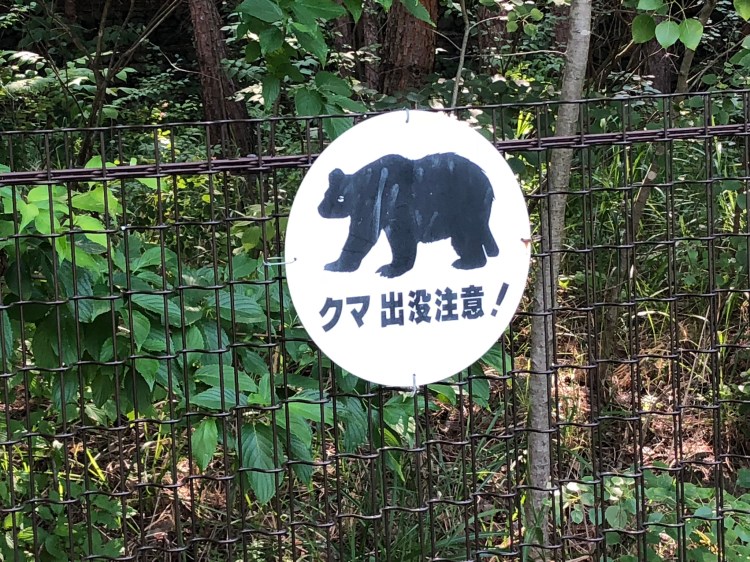
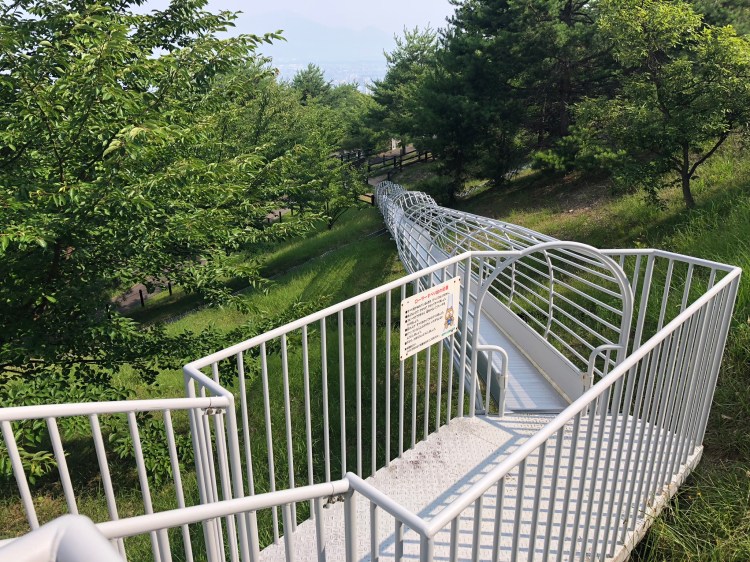
At the trail head, the first thing I noticed was a Caution! Bears! sign, which would have been very nice to know before I went hiking alone on the overgrown spider hellscape, but everything turned out okay. The next thing I noticed was that there were slides to get down faster!
IMG_8719.jpeg

IMG_8726.jpeg

I rode down a couple of them full of joy (and an itchy butt), and then made my way back to my hostel. I realized how far I had come without even realizing when I had to go so far to get back… and my FitBit read over 24,000 steps for the day. I only had four days in Nagano, so I guess my drive to explore took over my better judgment, leading to the accidental mountain climb. I eventually arrive back at my hostel (without using a GPS), shower, and go to meet my friend – only 10 minutes late.

She was 15 minutes late though, so was I really late?
IMG_8881.JPG

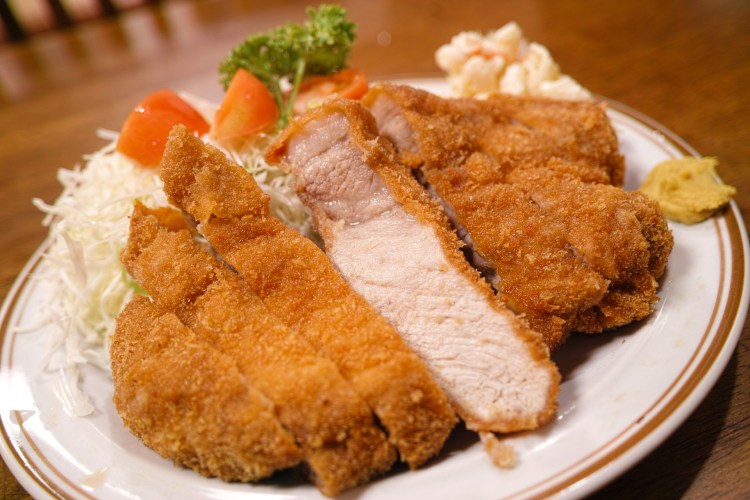
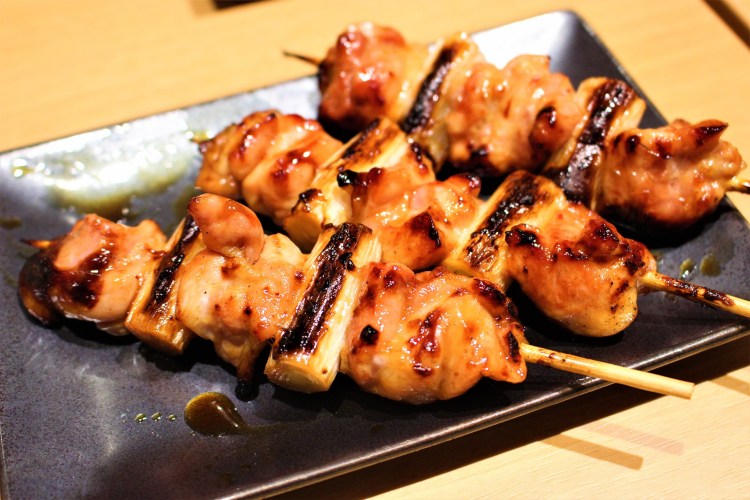
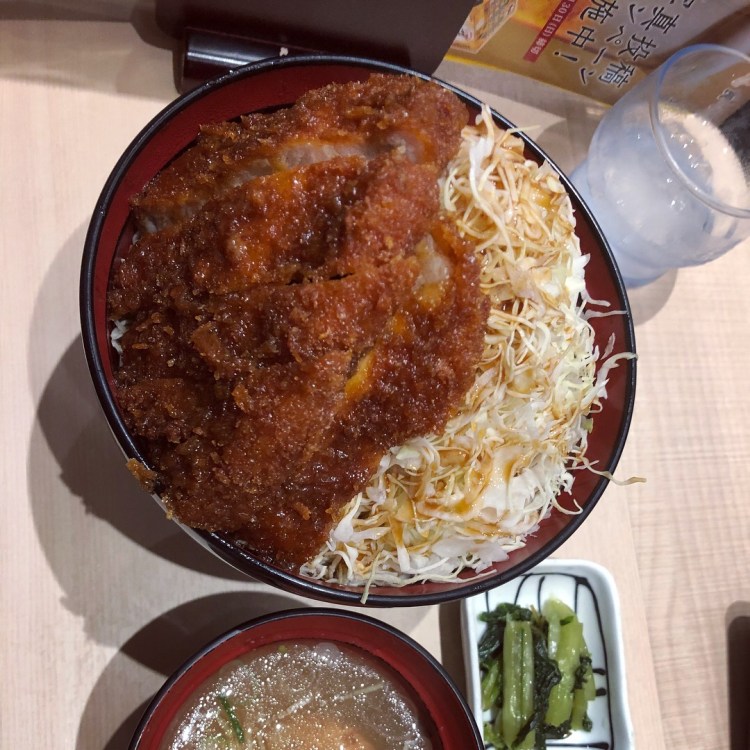
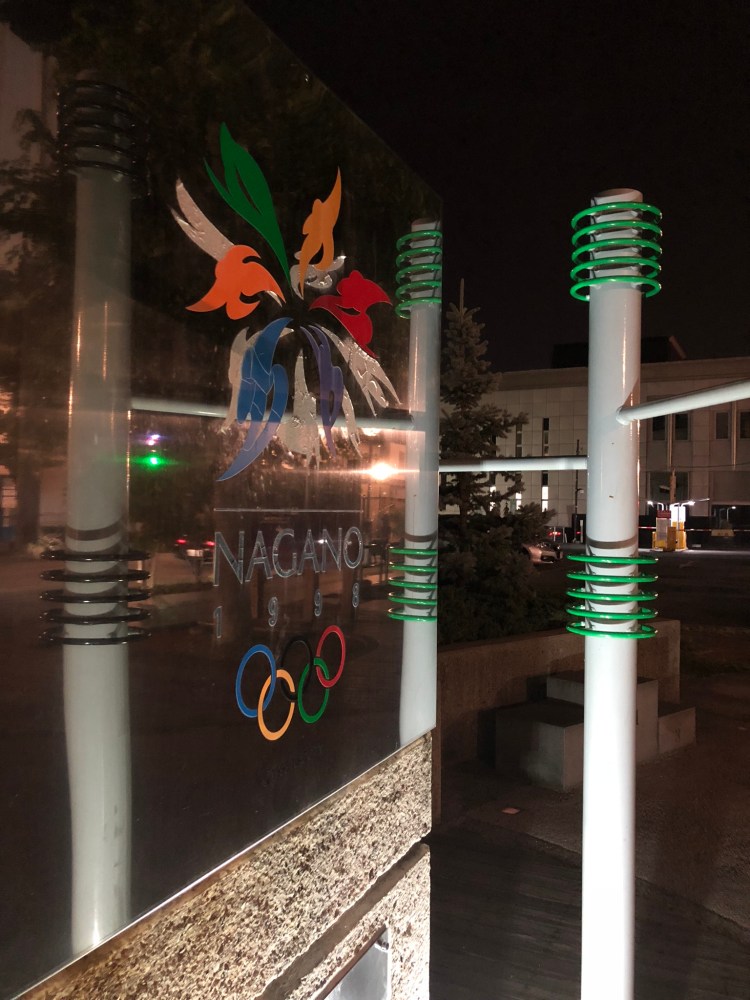
We ate Katsudon – Meat cutlet on rice – and she showed me around the town for a bit. Her boyfriend is a foreigner who has lived in Japan for 5 years, and she said my Japanese was better than his, which was a major confidence booster for the rest of my trip. After saying goodbye, I continued to explore around the city by myself and in the bathroom of a 7-11, I made a new friend.
IMG_8738.jpeg

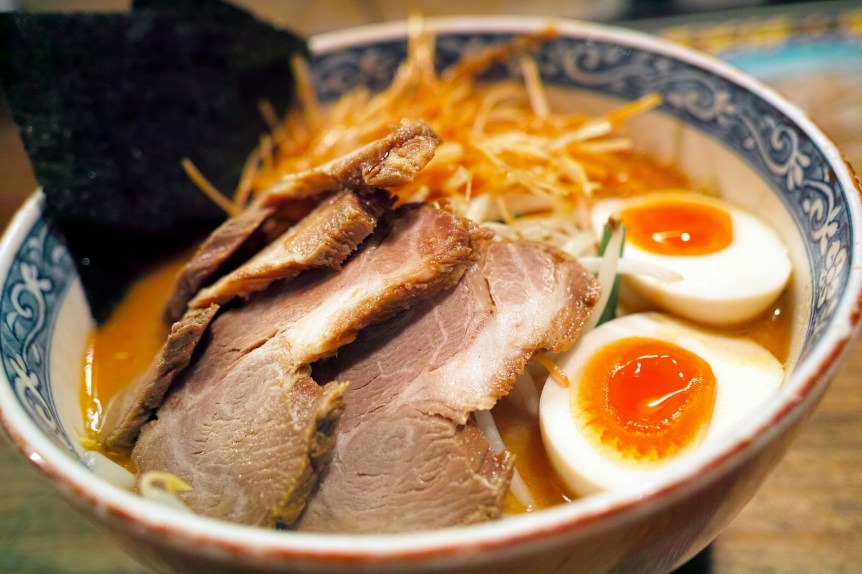
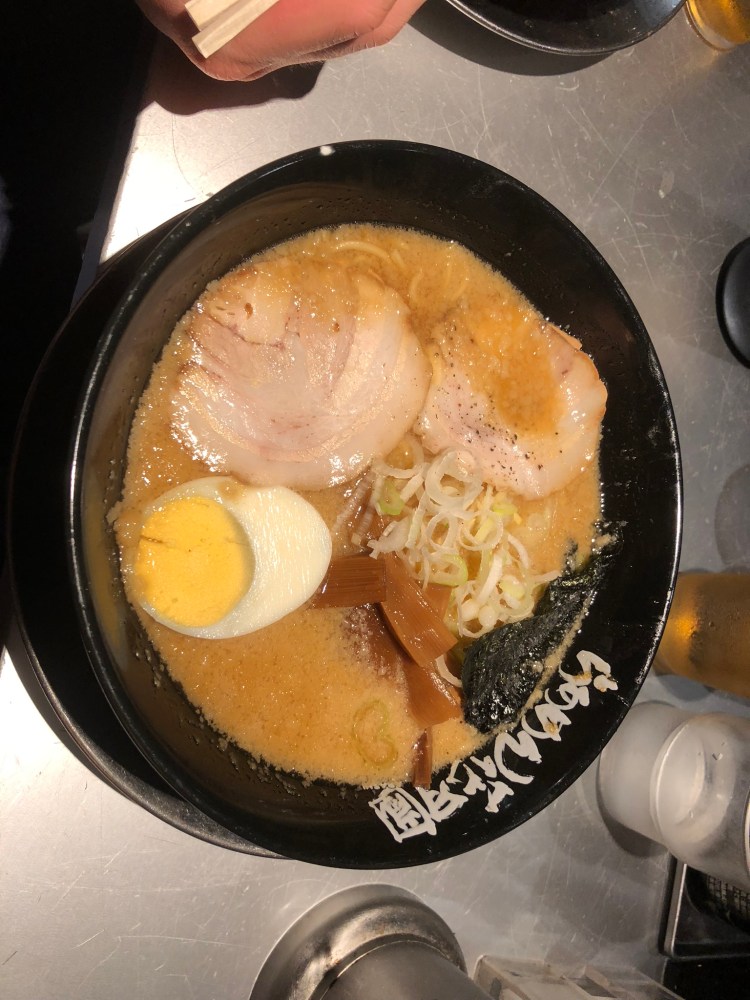
He sees I’m a white guy and tries speaking to me in English, but I switch to Japanese and he becomes visibly relieved. We talk, he introduces me to his friends, and we get 1 AM Ramen together before I head back to my hostel and knock out for the night. My energy had to be up for Pokemon GO: Zapdos community day the next day!
IMG_8739.jpeg


As long as it’s relatively safe, picking a direction and walking can be one of the most rewarding experiences in solo travel. You may even make some unexpected friends.

Andy・アンディ


My Social Media・SNSは:

Instagram・インスタグラム

Twitter・ツイッター

Twitch・ツイッチ


All photos taken by me

What I’ve Enjoyed While Traveling (Instead of Doing Everything)

What I’ve Enjoyed While Traveling (Instead of Doing Everything)

観光じゃないで、良いしたこと


See the last post about not doing everything while traveling HERE!


1. Blog Writing at Starbucks・スタバックスにブログを書く

office-1828123_1920.jpg

Since I had a wealth of experiences in my first half of my travel and not much time to write, writing has actually been really relaxing. And an added bonus to this has been immersing myself in Japan, surrounded by Japanese people speaking Japanese, while writing this blog in both languages. Passively listening to people speaking around me while writing in both English and Japanese has definitely improved my Japanese skills. And the matcha frappes are nice.

東京に来た前に、もうたくさん旅行の経験があって、あまり書きませんでしたから、ブログを書けば、リラックスしています。それに、日本に住む人生をしてみています。日本語を喋(しゃべ)ている日本人は多いですから、沢山日本語の話を聞いています。日本語の話を聞く間に英語と日本語のブログを書くことのおかげで、ぜったいに今の方が日本語を分かりますよ。それに抹茶フラッペは美味しいですね。


2. Going out with Friends・友達と遊(あそ)んでいる

dogs-984015_1920.jpg
Imagine the puppies are people and that’s what I like

I’m going to be clear: if it weren’t for the fact I have friends who either live in or are traveling to Tokyo while I’m here, my travel fatigue would have likely taken over, and I probably wouldn’t be doing all that much. Since I haven’t done much prep, they’d invite me on these amazing plans like going to an Owl Cafe, seeing fireworks at night, showing me around great restaurants and more, and all those experiences have been the highlights of my trip.

東京にいる友達(東京に住むか旅行している)のおかげで、沢山ことできました。めっちゃ旅行しましたから、疲れて、あまり何もしていません。でも、友達と沢山ことをしました!たとえば、袋(ふくろ)カッフェに行ったり、花火を見たり、色々なレストランに食べに行ったりしました。こんなことは僕の一番楽しかったです。

If you don’t have friends in a foreign country you’re going to, I’d recommend either making some online on language exchange websites (here’s a link to an article listing 14 of them), or try your hardest to make friends there, such as at your hostel. But if you don’t already have friends and don’t want to or have no luck making friends, fear not! As long as it’s not extended travel (beyond 2-3 weeks), you’ll probably have just as much exploring alone!

外国の友達がいなかったら、大丈夫ですよ!インタネットの言語交換の友達に会ってみることかホステルに友達ができると思います。でも、友達を探して、だれも会えなかったら、もう一度大丈夫です。2週間ぐらいだけ旅行していたら、一人で探検することを進めます。


3. Exploring Alone・一人で探検する

hiker-1082297_1920.jpg

While I have less energy per day as when I started traveling, exploring along is consistently fun. One of my favorite things to do once I know the area around my hotel or hostel decently well is to just pick a direction and walk. That was my only tactic in Seoul and Nagano, and I had a ton of fun there. Countries like South Korea and Japan are some of the safest in the world, so I have had nothing to fear, but other countries may have more risk, so do your research!

一人で探検するのがすごく楽しいです。ホステルかホテルの近い所を知った後、方向をえらんで、歩きます。ソウルと長野にこのことをして、見た面白いことはいっぱいでしたよ!韓国と日本はとても安全ので、心配していなかったけど、たしかにほかの外国より安全。だから、旅行したら、少し研究した方がいいと思います。

My inspiration for exploring and stumbling upon amazing places was inspired by, as mentioned in a previous post, Rolf Potts’ Vagabonding.  His whole message of traveling and doing what you want to do instead of what you think you’re supposed to do really inspired me to sate my wanderlust by… wandering. Many tourist sites in the “supposed to do” category are amazing, and I recommend seeing many of them if you want to, but equally as fun is stumbling upon places when you pick a direction and walk. Pictures from one such adventure (that I did with friends) will be below in the bonus pictures section~

Image result for rolf potts vagabonding
Buying through my Amazon Associate link helps me (and the blog)! 😉

4. Playing Music・音楽をする

guitarist-407212_1920.jpg

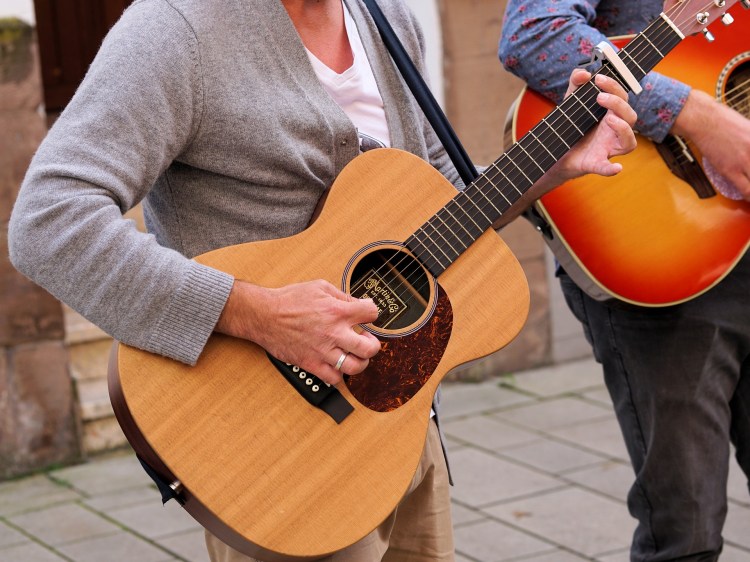
I’m an Ocarinist, and I’m an extrovert. Because of that, I really enjoy performing – though building up the courage to play on the streets usually takes ~15 minutes – and don’t collapse when people watch. At local conventions in America, I even built a reputation as “The Ocarina Guy,” so needless to say I enjoy making music.

オカリナを吹きます。それに、あまり恥ずかしくないです。だから、一人でオカリナを吹くのが好きです。それに、アメリカのアニメとゲームのコンヴェンションに、少し人気になって、名前は「オカリナ男の子」になりました。とにかく、音楽をするのが大好きです。

Anyways, I often hit the streets and play Ocarina for passers-by while here in Japan. At the Gion Matsuri in Kyoto, I went a few nights, stood near the thousands of people, and started jamming, and about ~50 people took selfies with me. Another night in Roppongi, Tokyo, I played at a busy intersection at night and two things happened: one salaryman gave me $10, and these two North Americans (a Canadian and an American) made friends with me, leading to us hanging out together multiple times afterward. Roppongi is known for people standing outside stores trying to lure unsuspecting foreigners into what they think is a deal, when it’s in reality the most expensive bar you’ll ever go to. According to the Americans, that area normally had multiple people like that around except when I was playing. They said I purified it.

よく道の近くにオカリナを吹いて、色々な日本人が聞きます。たとえば、祇園祭り(ぎおんまつり)に、三万人人々は歩いているから、毎夜あそこに行って、オカリナを吹いて、50人ぐらい人々は僕とセルフィを取りました。他の日に、六本木に行って、2まい事ができました。まず、サラリーマンは1000円をくれました。そして、あの二人北アメリカ人は僕を見て、「オカリナボイ」と言って、3回ぐらい一緒に遊びました。すごく楽しかったですよ!

These are ideal situations, and they made great memories from great experiences. However, once in Ebisu, Tokyo, I was doing my usual setlist (Studio Ghibli songs because most Japanese people know a lot of that music), and after about 20 minutes, a police officer comes and politely tells me to stop. I walked away, but it makes a good story to talk about the music-hating-yet-polite police officer.

その事の方がよかったと思います。いい経験はいいはなしになりましたが、エビスに悪い経験がありました。エビスビールのミュージアムの近く所に、20分間ぐらいオカリナを吹いた後、警察(けいさつ)が来ました。あの警察の人は親切だったけど、彼は僕を辞めさせました。悲しかったけど、いい話しでした。

I don’t say these stories to brag, but to say that if you have an instrument, you can have some crazy experiences. 

この話は’誇ることじゃないです。これだけ言いたい:楽器があったら、やばい経験ができます。

If you’re interested in starting to learn to play Ocarina, I highly recommend Night by Noble. It’s one of the best made plastic Ocarinas I’ve had the pleasure of playing, and despite being plastic, it’s performance ready and great for learning.

THIS is the Ocarina I use for street performing.

オカリナの道に行き始めたかったら、この「ノブルのナイト」は一番最初のオカリナですよ!プラスチックだけど、プロのオカリナです

Night By Noble Plastic Ocarina AC Black

I have an Amazon Associate link with this product, so purchasing through me helps support the blog and gets you started on Ocarina at the same time!

One more time – that link is HERE!


5. Clubbing・ダンスクラブ

dj-720589_1920.jpg

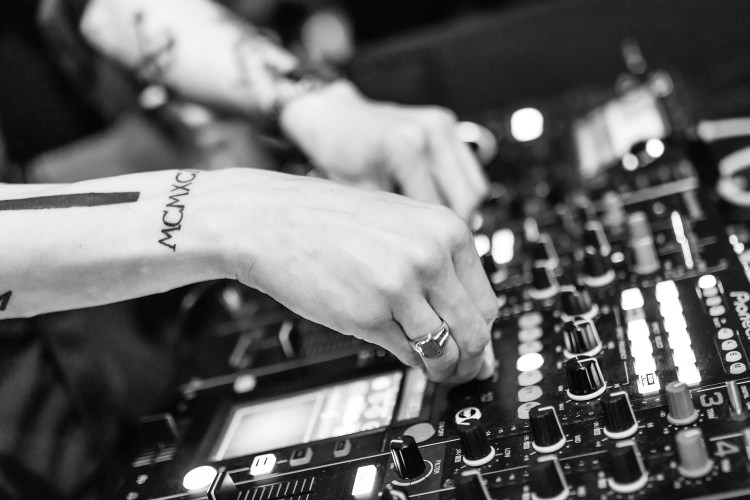
I really love to dance, and going to a few clubs in Japan and Korea have rekindled that love in me. I’m not great by any means, but I’m good enough at basic breakdance and have high enough energy that people who aren’t dancers think I’m good. It can be a bit expensive, but some clubs have free entry for college students (+ most clubs have free entry for all women), so if you’re smart about it it can be an inexpensive way to have a bit of fun at the end of the day. I went to a club the other night, got free college student entry, and only purchased one drink, leaving my total for 3 hours of fun at $6.50. In Korea, there are even outdoor dance floors which, while a bit dirty, are free and just as fun.

踊るのが大好きです。上手じゃないけど、ベーシックなブレークダンスの技法(ぎほう)を知るから、沢山人々が僕は上手だと思います。笑笑~。クラブは少し高いけど、女の人か大学生だったら、たしかには払わなくてもいいですよ!たとえば、さいきんクラブに行って、あの日に、大学生は0円で、飲み物を一本買って、クラブの夜のトータルは700円でした。韓国に、アウトドアのダンスクラブがあって、少し汚いけど、0円と楽しいですよ!


These are just options I personally did to have fun easily. That being said, if you don’t play a musical instrument or write a blog, that is fine. I hope that this at least got you thinking about how you can make the most of what have when you’re abroad. Doing familiar things in an unfamiliar place is, in itself, an amazing experience.

僕はこの経験をしましたから、ブログを書いています。でも、楽器をしたり、ブログを書いたりしなくてもいいですよ!目的はブログを読んで、自分のことを考えって、旅行の時、もっとできます。

Best of luck・頑張ってね

Andy・アンディ


My Social Media・SNSは:

Instagram・インスタグラム

Twitter・ツイッター

Twitch・ツイッチ


Recommended Previous Posts・さいきんポスト

(ENGLISH AND JAPANESE・英語と日本語)

5 Ways to Make Friends at Hostels

Struggling Up N Seoul Tower

Living in Japan (with a Japanese Family)

(ENGLISH ONLY)

Ocabanda @ US Ocarina Festival: Part ONE Part TWO

I’m Leaving America!

Falling in Love with Seoul – The World of Tomorrow

Bamboozled by Buddhists: Story from Seoul


Bonus Pictures・ボーナス写真

Meandering to Uji Dam・宇治ダムの方向に探検している

You Don’t Need to See and Do Everything (While Traveling)

You Don’t Need to See and Do Everything (While Traveling)

旅行の時、全部をしなくてもいい


student-849825_1920.jpg

You’ve been planning this trip for two years – a summer abroad in the country you’ve only dreamed of going to. You’ve been learning the language and can carry a conversation, you’ve looked up interesting sites to explore and activities to do, and every day the excitement grows until you’re on the airplane and can’t contain it any longer.

二年間、旅行の計画を立てていました、外国にいる夏休みです!とても楽しみにしています。言葉を習って、沢山準備(じゅんび)して、毎日はもっと楽しみにして、飛行機(ひこうき)を載っている時は一番楽しみにしている13時間。

kiyomizu-dera-1449399_1920.jpg

japan-2014618_1920.jpg

japan-359926_1920.jpg

You get there, excited as can be, and you spend the first month doing everything, never resting, just go, go, go. But in your last few weeks, you start to get travel fatigue. But, you fall in love with the place, and you know you’ll be back. So you accept that you can slow down and do less each day. You don’t need to rush to enjoy your stay somewhere. Unless you never intend to come back, it’s okay if you leave some things for next time.

来た時、全部をしたいで、ぜんぜん休んでいません。でも、一月間の後、少し疲れます。でも、この所が大好きですから、ぜったいに帰ります。だから、ゆっくり行ってもいいと思って、時々何もしません。全部をしなくて、まだ楽しいことができます。ぜんぜん帰らなかったら、ゆっくり旅行してもいいです。

traveler-672017_1920.jpg


This sounds familiar.

That’s because this is exactly how my experience in Japan has been. My first week in Korea was somewhat relaxed, but my first month in Japan was rushed. I enjoyed every moment of it, but for the sake of managing long-term travel, it was too much too quickly. In Kyoto, we saw every major attraction (and explored Tokyo, Hiroshima, and Osaka), then until I arrived in Tokyo on my solo-travel, I was exhausted. Unless I made plans with a friend, chances were I’d just stay in my hotel, go to a cafe and hang out, or do anything that didn’t take much effort. While this was primarily due to the extended heat wave in all of Japan making me not want to go outside more than I had to, the tiredness from being abroad so long didn’t help my travel fatigue.

やっぱり

これは僕の日本の旅行の経験ですよ!日本に行った前に、ゆっくり行って、一週間韓国に行って、もうすぐ日本に行った時、早くなりました。一番楽しかったけど、はやく疲れました。京都に、全部な有名な所に行って、東京と広島と大阪に行って、そして京都の授業の終わりに、一人で旅行しました。東京に帰った時、めっちゃ疲れましたよ!友達と何でもした、元気になるけど、一人だったら、休みたかったです。たとえば、カッフェに行ったり、ホテルでブログを書いたりしていました。主にあつい天気のおかげで外に行きたくなかったけど、沢山早く旅行もしたことのおかげで、疲れました。

tokyo-1121869_1920.jpg

On top of that, I generally don’t have much desire to visit tourist attractions just because it’s what you’re supposed to do. I’d much rather do what I want to do: make friends, meet people with different perspectives and languages than mine, and learn about the culture and country through the people living in it. I had this mindset already, but a great guide on how to successfully travel that way is Rolf Potts’ book Vagabonding. Though I do have a suitcase and am staying at an actual hotel at the moment, the main idea of the book is to travel for experiences (that generally don’t cost money) like interacting with people, exploring, and seeing the world from a new perspective.

それに、あまり観光したくないです。探検(たんけん)したり、友達に会ったり、ほかの文化を見たりすることの方が好きです。さいきん、本のおかげで、この考え方を習いました。本はロルフ・ポッツの「ヴァガボンディング」です。英語のバージョンだけがあると思うけど、すごくいい本だと思います。

I can’t recommend this book enough. If you’re stuck in the intense two weeks of vacation in a hotel and rushing everywhere we can mindset and want to try something new, it’s 100% worth the read.

Image result for rolf potts vagabonding


What to do instead of seeing everything?

観光をしなかったら、何をする?

kyoto-1976538_1920.jpg
The statue can’t decide either・この像も選ばない

There’s many options, from playing music on the street and making friends with people who approach you, picking a direction and walking, and so much more. That, however, will be on the next post, where I go more in-depth into things I’ve done to have fun while abroad (without being a tourist). Of course I’ve been to many tourist attractions on my travel, from Osaka Aquarium to Shibuya and Harajuku to the top of Tokyo Skytree, but my point is that tourist destinations aren’t the only places to go while traveling.

沢山できます!たとえば、音楽をしたり、方向をえらんで歩いたりします。でも、このトピックは次なブログポストです。色々な観光の所に行ったことがあるけど、観光しないこともしたことがあります。観光することと観光しないことにくらべて、何でもいいです。でも沢山人々は観光だけします。

My childhood vacations were about 75%-25% do everything and take your time, and I think a healthy balance between the two is key. I like doing a lot, but not everything. If, to enjoy your travels, you need a break from the rush, that’s okay. Let the travel fatigue die down and just do what feels right.

子供の時、旅行は75%全部をすることか25%ゆっくり休んでいるでした。今、50%と50%の方が好きです。旅行の時、沢山したいけど、全部しなくてもいいです。

Best of luck・頑張ってね

Andy・アンディ


My Social Media・SNSは:

Instagram・インスタグラム

Twitter・ツイッター

Twitch・ツイッチ


Recommended Previous Posts・さいきんポスト

(ENGLISH AND JAPANESE・英語と日本語)

The Japanese-Travel Weight Loss Program

5 Ways to Make Friends at Hostels

Struggling Up N Seoul Tower

Living in Japan (with a Japanese Family)

(ENGLISH ONLY)

Ocabanda @ US Ocarina Festival: Part ONE Part TWO

I’m Leaving America!

Falling in Love with Seoul – The World of Tomorrow

Bamboozled by Buddhists: Story from Seoul


Bonus Pictures・ボーナス写真

Kyoto Pokemon Center・京都のポケモンセンター

The Japanese-Travel Weight Loss Program

The Japanese-Travel Weight Loss Program

日本旅行のダイエット


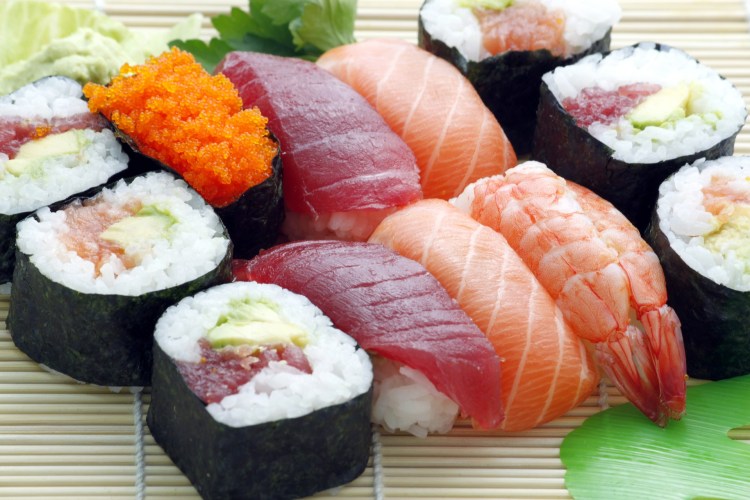
sushi-354628_1920 (1)

When I last weighed myself before leaving America, I was around 180 lbs (80 kg) while standing at 5’9″ (176 cm). Normally I could say that this was muscle, as I usually have a solid workout routine. But last semester was the most inconsistent I’ve been since consistently working out, so I thought I was getting a little… fluffy… like my cats. When I told my friends about my travel plans for Korea and Japan during the summer, everyone who had been there before either said, “You’ll lose weight! You walk so much, the food is healthier, and the portions are smaller,” or, “You’ll want to eat everything and drink a lot, so you’ll have 4000+ calories a day.”

アメリカから出た時、80キログラムぐらいで、176センチでした。よく、あの大きさなアンディは主に筋肉(きんにく)ですが、先学期(せんがっき)あまり運動(うんどう)しなかったので、少し太(ふと)りました。猫のようなフワフワだったと思いますね。友達に旅行の予定を言った時、いつも、ハッフによると、「ぜったいに痩(や)せるよ!沢山歩くし、ハルシーな食べ物は多いし、日本の食べ物の方が小さいし。。。」ほかのハッフは、「全部を食べたいし、よくお酒を飲むから、ぜったいに太る。」と言っていました。

Little did I know they’d both be right.

でも、びっくりして、みんなは正しかったですよ。

japanese-food-2199962_1920


Weeks 1-4: The Eat Everything Stage

1-4週:全部を食べている時

aluminous-749358_1920 (1).jpg

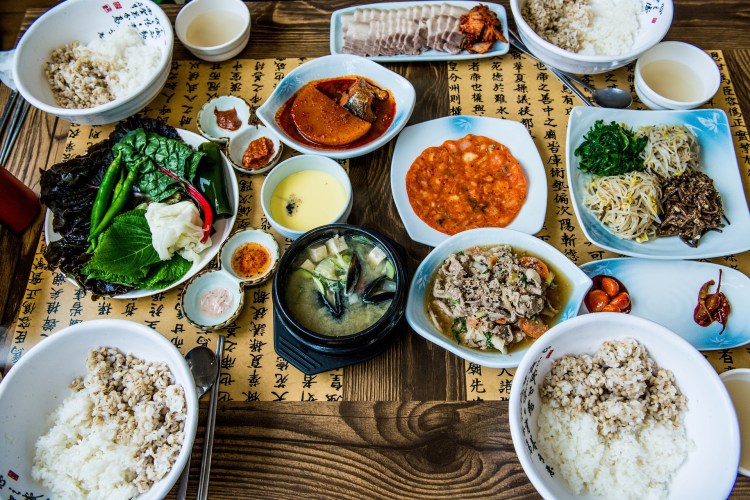
When I got to Korea, it was my first real meaningful experience out of the country. I had been to Mexico for 7 hours in 3rd grade in a touristy area (it was a cruise), but I don’t count that. This was real, a whole week in a new country where I didn’t speak the language and the food was fantastic. There was $8.50 all you can eat Korean BBQ, coffee shops and bars on every street, and convenient stores with good food. Needless to say I consumed many calories, but I did walk a lot.

韓国に行った前に、ぜんぜんほかの外国に行ったことがありませんでした。子供の時、7時間メキシコに行ったけど、観光の所だけに行ったので、外国に行ったことじゃなかったと思います。韓国は本当に外国でした。言葉を話せなかったし、白人は少ないし、食べ物は安くて美味しいんです。韓国の道に、バーとカッフェといいコンビニは一派かったですよね!それに、安いレストランは多かったので、沢山食べてしまいました。でも、よく歩いていました!

restaurant-1690696_1920.jpg

Next were my first few weeks in Japan while I was on a school program. We stayed with host families who cooked us breakfast and dinner every day, had easy access to convenient stores and ice cream shops the entire time, and were surrounded by delicious Japanese food. So, during my I must eat everything phase, I definitely continued to consume. But after the program ended, I had tried most of the food I wanted, so I ended up drastically dialing back.

次、京都プログラムの授業がありました。ホストファミリーと住んで、ホストファミリーとは毎日朝と晩ご飯を料理してくれました。それに、よくコンビニに行って、ソフトクリームは多くて、美味しい和食とほかの日本の料理は多かったから、全部を食べること続きました。でも、プログラムが終わった時、みたかった食べ物もう食べてみたことがありましたから、瘦せている時が始めました。


Week 5-9: Nagano Onwards・5-9週:長野の時から今

My last night in Nagano, I went dancing at the (only) reputable club in the area, and another foreigner, at the end, told me, “Bruh you’ve got a handsome face but you’re too fat, it makes you look like a baby.” I’m by no means skinny, but I’m not fat either, but what I thought after was, Good thing I’m in Japan, where I can actually change that easily.

長野のさいごの夕方に、クラブに踊(おど)りに行って、出た時、ほかの外国人は「お前、イケメンのに、太っている。ハンサーム赤ちゃんみたいよ笑笑」と言っていました。僕は瘦せていないけど、ぜったいに太っていませ。でも、あの話のおかげで、日本にいますから、

japanese-3561782_1920.jpg

After leaving Kyoto, during those few days in Nagano, I started to notice a few things:

  1. I was never hungry in the morning (and didn’t eat breakfast because of that)
  2. Smaller portions filled me up
  3. I went from a total sweet-tooth to not being able to finish a Starbucks Frappe
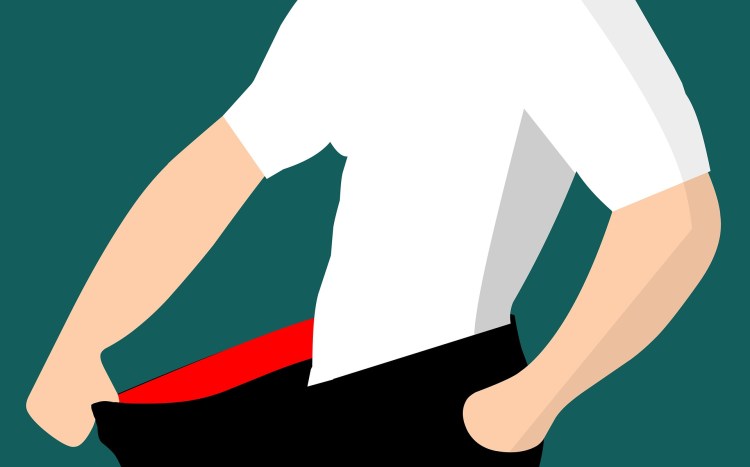
  4. I keep needing to tighten my belt just a little bit more

京都から出た時と長野にいる時、色々なことを気づきました:

  1. 朝に、お腹がぜんぜんすかなかった
  2. 今の方が小さい食べ物を食べれば、いっぱい
  3. 前に、甘い物いつも好きだったけど、今よりほしい
  4. ベルトをよく少し狭くしている

green-train-219618_1920.jpg

Since then, in Tokyo, I’m walking just as much. A couple nights I missed my last train (but if there’s any chance of that I stay within 3 miles of my hotel) while meeting with friends and not checking the clock, but I personally have loved those nights. I get a free bit of additional exercise walking the empty streets in the cool of night that, during the day, would otherwise be crowded and hot. Japan is one of the safest if not the absolute safest country in the world. so I have nothing to fear here – other than getting enough sleep.

長野の時から今、同じぐらい歩いています。時々友達に会っていた時、終電をのりおくれましたが、あの三日はとても楽しかったと思います。少しボーナスな運動ができたし、夜の方がすずしかったし、混んでいなかったのです。日本はとても安全ですからあまり心配していません。でも、次朝はたしかに少し困っていますよね。


The Plan Going Forward・次な計画

(English only for next few paragraphs, I’m not confident to translate all the topics)

Now that I’m in Tokyo for a couple more weeks, my goal is to set up healthier eating habits that hopefully last after I return to America. This article has a several good pointers, such as how to check for sodium content, which common foods are not healthy, and some other tips. The most important two for me are to stop eating at 80% fullness (it’s a Japanese phrase, hara-hachibu), whether that means not eating everything or going for smaller portions. The next is avoiding fried foods. I have a huge soft spot for these. My last day in Shinjuku, I got fried chicken curry for lunch and Wendy’s for dinner. While it wasn’t big portions, it was all fried and that can easily be avoided. Here is another article providing some examples of healthy (and unhealthy) foods in Japan. Generally, fried, salty, or sugary foods are to be avoided. That’s an obvious given, but some Japanese foods can be deceptive with their salt and sugar especially.

I’m also working on a mindset shift towards food. I recently read a book titled Start With Why by the somewhat infamous Simon Sinek. He has a chapter called The Celery Rule, which creates a decision-making process using groceries as an example. If your WHY for buying groceries is to get healthy food, then unhealthy food is incompatible with your goal, but celery is A-okay. After reading that chapter I’ve been able to stop myself from buying unnecessary ice cream over 3 times, cheesecake twice, and fried food a few more times. Since Japan has so many healthy options, it’s not hard to follow The Celery Rule.

Related image
It’s a pretty good book. Bit repetitive but the repetition reinforces the message

Finally, when it comes to exercise – I haven’t been doing much strength work. I went to the gym once in Korea since leaving America and have yet to go back to one. Thankfully, there are some compact options. I bought resistance bands at a Yodobashi Camera (like Best Buy x100) and used them while in my host family’s home, but not at hostels. Now that I’m in a private hotel I’ll use them, do push ups with some other bodyweight exercise, and keep up with my immense amount of daily walking. I’m averaging about 20,000 steps a day, which is double my usual in America and I couldn’t be happier… and my shoes couldn’t be in worse condition

Image result for resistance bands
This kind of thing

diet-3556961_1920.jpg

In short, the Japanese-Travel Weight Loss Program is:

  1. Only eat enough to be satisfied, not stuffed

  2. Aim for healthier Japanese foods

  3. Reduce fried, salty, and sugary foods (tempura, tonkatsu, fries, udon, ramen, etc.)

  4. Mindset improvement to make choosing healthier foods over unhealthy ones easier

  5. Walk a lot, missing the last train can help with this

  6. Strength work-outs if you can (so you burn more calories and don’t lose muscle)

日本旅行のダイエット

  1. 腹八分目

  2. ヘルシー食べ物の方が食べる

  3. フライド食べ物より食べる(たとえば:天ぷら、トンカツ)

  4. ヘルシー考え方(かんがえかた)

  5. よく歩く。終電を乗り遅れたら、もっと歩ける

  6. できたら、運動する。しなかったら、筋肉がでる


I am not an expert in health and dieting and I will not pretend to be, but I am sharing what has personally worked (and not worked) for me while traveling abroad in Japan. It’s easy to want everything and gain weight, but it’s even easier to get used to Japan’s smaller portions and healthier lifestyle. Of course there are times when I get nachos and pizza  in the same meal (yes, in Japan), but despite that it’s been such a healthier place. Even the junk food is generally healthier than similar American foods. While you’re in Japan, make the most of it!

運動とダイエットの先生じゃないですが、日本に旅行していた経験のおかげで、沢山習っています。時々悪い食べ物を食べているけど、主に日本に元気になっています。僕は少し瘦せていることは日本のおかげで。

Best of luck・頑張ってね

Andy・アンディ


My Social Media・SNSは:

Instagram・インスタグラム

Twitter・ツイッター

Twitch・ツイッチ


Recommended Previous Posts・さいきんポスト

(ENGLISH AND JAPANESE・英語と日本語)

5 Ways to Make Friends at Hostels

Struggling Up N Seoul Tower

Living in Japan (with a Japanese Family)

(ENGLISH ONLY)

Ocabanda @ US Ocarina Festival: Part ONE Part TWO

I’m Leaving America!

Falling in Love with Seoul – The World of Tomorrow

Bamboozled by Buddhists: Story from Seoul


Bonus Pictures・ボーナス写真

Tokyo Sky Tree at Night・スカイツリー(よる)

5 Ways to Make Friends at Hostels

5 Ways to Make Friends at Hostels
ホステルの友達はどうやってできる?


When I arrived in Korea at 4 in the morning, I had no friends, no plans, and no Korean language skills. Things looked bleak and lonely at first. As an extrovert, I prefer to be with people more than being alone, so I had to figure out how to meet people. Thankfully, I was staying in a foreigners-only hostel, so the odds of finding English (or Spanish … or Japanese) speakers were pretty good.

韓国に来た時、4時午前し、友達がいなかったし、計画を立てなかったし、韓国語を話せなかったから、難(むずか)しくて、寂(さび)しかったですよ!僕は人々が好きだので、友達と遊(あそ)んでいる時の方が好きです。だから、どうやって新しい友達ができますか?外国人だけ行けるホステルにいましたから、英語かスペイン語か日本語を話せる人を探(さが)すのが難しくないと思いました。


But how do I actually make the friends? でも、どうやって友達ができる?

concept-1868728_1920

Upon arriving at my hostel, I saw that there was a common room that throughout the day, people would spend time in. So, that evening after exploring the area, I started talking to people and throughout the rest of my stay in Korea, I had friends to spend time with every day!

Here is what worked best for me to make friends.

ホステルに来た時、休憩室(きゅうけいしつ)を見ました。だから、ソウルに少し探検した後、休憩室に行って、毎日友達と話して、毎日友達と一緒に経験(けいけん)ができました!そして、ポストは「どうやってホステルに友達ができる」


1. Ask people for recommendations

「こっちに、どうしたらいいの?」

night-view-1215000_1920

Most evenings, after I had done my exploring for the day, I’d ask my hostel mates what they recommended I do, and thanks to them, I hiked N Seoul Tower, explored palaces, and learned I shouldn’t listen to the slightly aggressive Buddhist girls. Then, thanks to the recommendations, we started conversations and ended up talking more.

よく夕方に探検すること終わった時に、ホステル人々に「こっちに、どうしたらいいの?」と聞きます。その質問(しつもん)のおかげで、沢山いい経験をできました。たとえば、Nソウルタワーのハイキングしたり、宮殿(きゅうでん)に探検したり、かわいくてこわい仏教(ぶっきょう)な女の人はだめことを習ったりしました。それに、質問のおかげでよく一緒にもっと喋(しゃべ)ていました。


2. Some useful questions and conversation topics

便利(べんり)な質問と話のトピックス

sparrows-2759978_1920.jpg

With pretty much everyone I met, there were a few questions I would constantly ask and would regularly lead to extended conversations. For example:

  • What brought you to this country?・こっちに来ることの目的(もくてき)は?
    • Lots of people were hanging out longer after studying abroad, lots were on extended trips around all of Asia, some were just coming to Korea, and others were between jobs and taking a breath of fresh air.
  • Where have you been before this / where will you go after?・こっちに来た前に、どこに行った?/こっちから出た時、どこに行くつもり?
    • People told me some amazing stories about their extended travels before and their grand plans coming up. I even managed to meet up with a friend I made in Korea who also was going to Kyoto while I was there.
  • What do you like most about here / your home country?こっちの中で、何が好き?/住んでる国に、何が好き?
    • Hint: Usually food / lower cost of living in Asia・ヒント:主に食べ物
  • What languages do you speak?・話せる言葉(ことば)は?
    • Hostels are full of foreigners from around the world. Most people in my hostel were German or Scandinavian, but there were a couple Mexican guys and various other nationalities. Many of these people speak 3+ languages and it’s amazing to hear their language learning stories. One of the Mexican guys spoke Spanish and learned English growing up, then upon moving to Sweden for work became fluent in Swedish as well. And he’s learning more languages.
  • Cost of living・住んでる所はどのぐらい高い?
    • I live in Silicon Valley, which is the most expensive place in America, so it’s interesting to hear about similar situations in other places. I learned Norway is expensive, that Korea always has enough housing (and is thus affordable), and lots of other interesting bits of information. It also made me reconsider continuing to live in Silicon Valley given how much cheaper literally everywhere else is. And that’s a true “literally,” no exaggeration

And here are some questions/topic you can ask anyone, regardless of travel or at home・ほかの旅行しなくてもいい質問とトピックス

  • What do you like doing most in your free time?・ひまな時、何をするのが好き?/趣味(しゅみ)は何ですか
    • People like to talk about their hobbies more than their work unless they really like their job
  • What is your life-long dream?・人生の夢(ゆめ)は?
  • If money weren’t a problem, what would you be doing?お金持ちだったら、何をする?
  • Cats or dogs (or both because BOTH ARE CUTE)・猫と犬にくらべて、どっちの方が好き?
  • Favorite foods・好きな食べ物
  • Favorite TV/Movies/Music・好きな番組(ばんぐみ)と映画(えいが)と音楽(おんがく)
    • Especially fun to hear differences in TV programming between countries

I could go on, but you get the idea. Things they like, their stories, and comparisons between countries are all useful.

リストを続けるけど、もう分かると思います。好きなものかこと、話、国の違いの中に、全部は便利と思いますよ


3. Bring Snacks・食べ物をあげる

Everyone likes food. Furthermore, they need it to survive. So if you bring snacks and simply offer it to others, even if they don’t eat anything, it’s still a sign of good will and can help tear walls down!

みんなは食べ物が好きです。それに、食べなければ死にます。だから、食べ物を連れていって、ホステル人にあげることをして、すごくなれます。みんな食べ物をあげる人が好きんですよ!


4. Play Music・音楽を作る

guitar-2846052_1920

Maybe not in your hostel, but I have had several great experiences from playing Ocarina. In Nagano, I played Studio Ghibli songs with one of the workers, and in Tokyo, I made $10 and 2 new North American friends (who I hung out with again the following day) after playing on the street in Roppongi. Spreading joy through music lightens the mood of anywhere you go, and whether or not you’re doing it for money (I wasn’t, since it’s not normal in Japan), you’re bound to meet interesting people.

たぶんホステルの外に行った方がいいけど、沢山素晴らしいオカリナを吹いている経験ができました。たとえば、長野市に、ホステルのフロントとスタジオジブリの音楽をしたり、六本木に¥1000をもらって、新しいアメリカ人友達に会ったりしました。音楽をすれば、人々は少しもっと嬉(うれ)しくなりますから、面白い人々よく来ます


5. Alcohol・お酒

drinks-2578446_1920

If you’ve spent enough time with your hostel mates to know you can trust them, then adding a bit of the happy juice, the devil’s nectar, the PARTY POTION is the fastest way to bond with your hostel mates in my experience. One memorable moment in Korea, after I had taken my shower in the evening, my friend group was waiting for me with a bottle of green apple soju and said, “We’ve been waiting for you, Andy.” Surprised and intrigued, we all drank together in the hostel common room and bonded. It’s been 40 days since then but I still keep in touch with them.

ホステルの友達はいい人々で意地悪(いじわる)じゃなかったら、一緒にお酒~ハピージュース、飲めればあぶなくなれる物、ストロング飲み物~を飲めます。一緒に飲めば、親(した)しい友達になることが沢山あるいます。一番楽しい飲むことは韓国で、シャワーの後、僕の部屋(へや)に、友達たちが待っていました。リンゴのしょちゅをもっている間に、「僕らお前のために待っていたよ。飲もうよ」と言っていました。びっくりしたのに、一緒に休憩室(きゅうけいしつ)で飲みました。すごく楽しくて、まだ一緒に話します。


The Takeaway・主なポイント

37973494_2072386679499807_111103223330242560_n37970682_2072384846166657_5828322392207785984_n

It can be hard to make friends abroad. I tried a lot of these techniques out while scrambling to make friends, and thanks to my attempts, my usual day in Seoul was solo exploring during the day followed by spending time with the hostel mates at night. Currently I’m a bit travel fatigued and have a lot of friends who live in or are coming to Tokyo, so I haven’t been trying at all with my hostel mates here. However, because I have the experience of both trying really hard to make friends and not trying at all (and seeing the stark contrast) shows that these techniques all worked for me. I hope they work for you too! Travel can be a lot more fun if you aren’t alone.

外国に、友達を探すことは難しいです。このポストのことをやってみたことのおかげで、毎日、ソウルに一人で探検して、夕方に友達と遊びました。今、もう沢山旅行していたし、東京に沢山友達もういるから、東京のホステルの友達を探すことをやってみていません。でも、探すことと探さないことがありますから、ぜったいに僕のために、このティップスは便利です。あなたのためも便利といいですね!寂しくなかったら、旅行の方が楽しいと思います。

Best of luck・頑張ってね!

-Andy・アンディ


My Social Media・SNSは:

Instagram・インスタグラム

Twitter・ツイッター

Twitch・ツイッチ


Recommended Previous Posts・さいきんポスト

(ENGLISH AND JAPANESE・英語と日本語)

Struggling Up N Seoul Tower

Living in Japan (with a Japanese Family)

(ENGLISH ONLY)

Ocabanda @ US Ocarina Festival: Part ONE Part TWO

I’m Leaving America!

Falling in Love with Seoul – The World of Tomorrow

Bamboozled by Buddhists: Story from Seoul


Bonus Pictures・ボーナス写真

Changdeokgung Palace Greenhouse – Seoul

Struggling Up N Seoul Tower

Struggling Up N Seoul Tower

Nソウルタワーを登ることは大変

night-view-1215000_1920.jpg


Once more, this post is in English and Japanese・もう一度、ブログポストは英語と日本語。

ポストの日本語は悪かったら、直してお願いします!


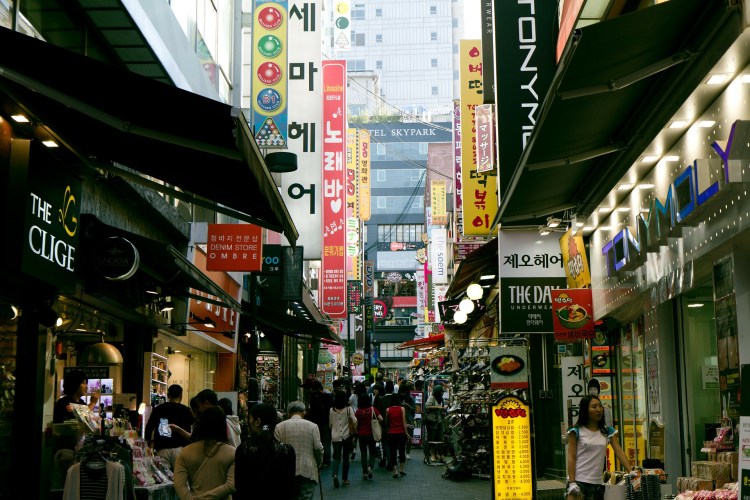
It’s 11:30 in the morning. I just got off the train to Myeongdong, a major part of Seoul, and I had one objective: get to the top of N Seoul Tower without using a map. After distracting myself in some stores, I embark on this journey. I looked for the tower, selected that direction, then walked while looking at the views along the way. On that path, I saw many of the coffee shops and bars Seoul is notorious for, an elementary school, a women’s college, and, in the distance, the cable cars you could alternatively take to walking up. I realized I was going the wrong way.

11時半午前で、ちょうどミョングドングの電車から出ました。僕の目的はNソウルタワーを登ることをする間に地図を使いません。ちょっと探検して、タワーの方向に歩きましたが、その道は悪かったですよ!

According to one of my hostel mates the day before, you could either hike to the tower or ride a cable car, and the two options were close to each other. When I saw the cable cars in the distance, that was my first indicator I made several wrong turns. However, I just had to walk to the cable cars and I’d find the trail. So, I took the path to the cable cars, saw some cool sights along the way, and found the real trail! By now, it’s almost 1 PM and I had been walking non-stop in moderate heat.

namdaemun-326138_1920.jpg

ホステルの友達によると、タワーに行きたかったら、歩く、ケーブルカーに乗ります。それに、さんぽの道はケーブルカーの近いと聞きました。でも、悪い道に歩いたので、ケーブルカーは遠くなりました。大変ね!そして、ケーブルカーの方向に歩いて、正しい道に歩きました。もう1時午後で、あつくなりました。


The Real Hike・正しいハイキング

Upon arrival, I see stairs. Lots of stairs. SO MANY STAIRS. Since I love hiking, I actually have a strong preference for slopes over stairs, and looking up, it seemed like this entire trail was stairs (surrounded by beautiful sights). But that wouldn’t stop me. So, step by step, I made my way up, and as I got higher, every time I turned around the view got better and better. One odd sight was an outdoor gym. A bunch of older Korean dudes were all pumping iron outside, and had I known that were an option, I would have just come here instead of spending $20 to go to a gym a few days prior.

道に来た時、沢山階段(かいだん)を見ました。多いいっぱいね。ハイキングが好きですから、スロープがある道の方が大丈夫と思うのに、あきらめません!歩く間に、いいビューは多かったですよ!それに、だれでもが運動できる屋外(おくがい)ジムがありました。めっちゃ韓国のおじさんは運動していました。とてもすごかったです。そして、サミットに来ました。

37828461_2069797909758684_438608455473823744_n


Interesting Sights・タワーの面白いこと

I finally made it to the top, and there were several things of note:

サミットで、沢山面白いことがありました!

There was a Paris-esque love lock area. However, unlike in Paris, it is encouraged to bring a lock (or conveniently purchase one from the tower) and place it there.

パリスのようならブロック所がありました。すごくロマンチックけど、一人だった。悲しいね!

The tower is MUCH smaller up-close. From a distance, it looks like an amazingly tall tower behind a mountain when in reality, it’s an average-size skyscraper that is the highest building in Seoul, but not the tallest. Lotte Tower has that title.

タワーは少し小さいと思います。ソウルのタワーの中に、Nソウルタワーは一番上ですが、ロッテタワーは一番背が高いです。

Most people there are Chinese tourists (and they loved my Ocarina playing)

沢山中国人な観光客(かんこうきゃく)がいました。あの中国人は僕のオカリナを吹くことが大好きでした!

Thanks to my prior Ocarina playing, I made friends with the elderly gentleman working the information booth. I believe his name is Park, and he invited me into his office (with windows on all sides, so it was practically public. I don’t generally agree to go into a stranger’s office, but he was very nice, worked at the venue, and it was a visible office) for tea. We talked for over an hour and he told me about how his kids are musicians, one of which lives in Texas, asked my view on Trump meeting with North Korea, told me stories about how he’s learned many languages from working there and practicing with tourists. We watched a weapon-dance performance, and he told me the history behind it (but since this was over a month ago, I don’t remember much). While this wasn’t the purpose of my hike, this was definitely the most memorable part of it

オカリナを吹くことのおかげで、情報(じょうほう)の会社員なおじさんに会いました。一緒にオフィスに行って、お茶を飲んで、話しました。色々なことを喋て、すごく面白くて楽しかったです。

The tower itself was so extra. There were pristine shops throughout, the elevator to the top played an over-the-top animation of shooting into space, and the elevator down showed an intense landing from space. I filmed the coming down animation, but a video would never do it justice. If you go to Seoul, the elevator at N Seoul tower is an experience

タワーはとても派手(はで)でしたよ!たとえば、エレベーターを使った間に、すごく派手な映画を見えました。映画を見ると、笑いました。

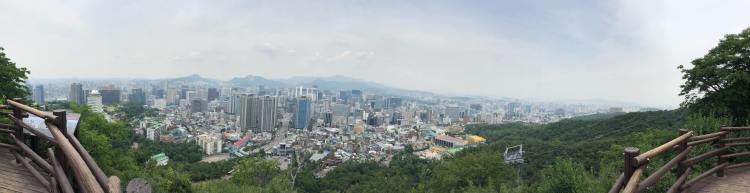
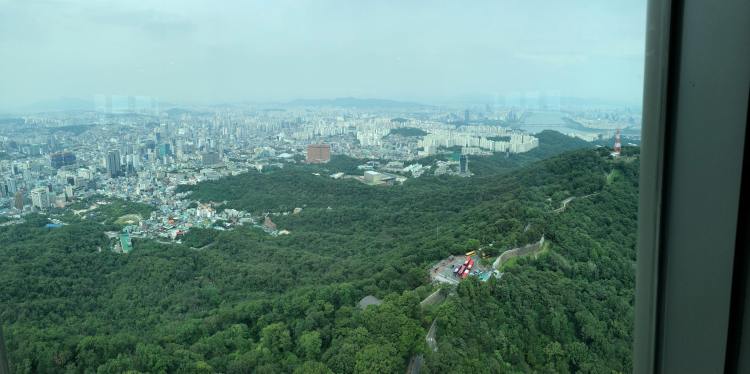
The view was amazing. Pictures below. Since there’s a window in the way, it’s not ideal, but walking around the ring atop the tower gave a spectacular view.

ビューはとてもきれいでした。と て も きれい

37836758_2069798969758578_4340357498226606080_n.jpg

One month later, I went to Tokyo Sky Tree, and the entire aesthetic of the tower seems like an attempt to one-up N Seoul. It’s a similar shape and style, but it’s the tallest and highest building in Tokyo. Elevator animations and all (but significantly less extra).

一ヶ月の後、東京スカイツリーに行きました。スカイツリーはソウルタワーのような建物ですが、スカイツリーの方が背が高くて大きいです。Nソウルタワーたぶんはスカイツリーのインスピレーションと思う


After the hiking up and exploring beautiful destination, I had to make my way down. This was much easier than coming up, and I got to look out at all the amazing views I’d turn around to see looking up. And for perspective on difficulty, it took about 40 minutes to hike and 15 to come down. I looked around Myeongdong a little bit longer then returned to my hostel.

ハイキングの後、もう一度道に歩きました。山から帰るハイキングの方がやさしいと思いました。たとえば、ミョングドングからタワーは40分かかりましたが、タワーからミョングドングは15分かかりました。この日はとても楽しかったです!


As I said in my last travel post, things will be a bit out-of-order from now on. I realized telling particular stories would fly better than a straight log of what I do daily, so whenever I have inspiration for a particular story, that will be what I write. This adventure happened on June 19, 2018, for reference.

さいごのブログポストによると、年代順(ねんだいじゅん)がありません。日記といい話にくらべて、話の方が面白いと思うんです。だから、インスピレーションがあったら、その話を書きます。この話は6月19日でした。


Thank you for reading this story from Seoul! Korea was my first real solo-travel experience, so I hope I was able to capture what I felt and saw through this blog.

読むことがありがとうごさいました!韓国に行った前に、一人で旅行したいですことがなかったので、本当の気持ちを書けたといいんですが!

Best of luck・楽しんで、

Andy・アンディ


My Social Media・SNSは:

Instagram・インスタグラム

Twitter・ツイッター

Twitch・ツイッチ


Recommended Previous Posts・さいきんポスト

(English and Japanese・英語と日本語)

Living in Japan (with a Japanese Family)

(English only)

Ocabanda @ US Ocarina Festival: Part ONE Part TWO

I’m Leaving America!

Falling in Love with Seoul – The World of Tomorrow

Bamboozled by Buddhists: Story from Seoul


Bonus Pictures・ボーナス写真

Osaka Aquarium・大阪水族館

Living in Japan (with a Japanese Family)

Living in Japan (with a Japanese Family)

アメリカ人、日本で日本人家族と住む

golden-1976686_1920.jpg

I’m writing this post in both English and Japanese! このブログは英語と日本語です。二年間だけ日本語を勉強していましたから、日本語の文法は悪かったら、直してください!


The main purpose for my gigantic trip around Korea and Japan this summer was to do a 3-week study abroad program in Kyoto. This program was led by a professor from my college for the academic side, then all arrangements were superbly organized by the company Canvas Gate Inc, one arrangement being to stay with a host family for the program’s duration.

僕の韓国と日本の旅行の目的は3週間に京都に留学します。この京都プログラムでは、アメリカの先生はアメリカの大学生を連れていって、歴史(れきし)と習慣(しゅうかん)と文化(ぶんか)の授業(じゅぎょう)を教えました。そして、キャバスゲートインクは予定(よてい)をして、計画(けいかく)を立てました。予定の中に、学生とホストファミリーをペアリングしました。

While that wasn’t many students’ main draw to the program (the part with going to Japan was), it became one of the most meaningful parts of the program for every student on it. Canvas Gate’s CEO, Kaz Aoki, interviewed all the students to make the best possible pairs. For example, I am an extrovert, so I like to talk. Because of that, Aoki-san paired me with my host mother, who also likes to talk (though at times we talked so much, I was late for class). All the talking really helped me become more fluent at speaking Japanese, which will help me a lot now that I lack the class’s support system. Furthermore, she plays Cajon in a band, and I am also a musician, so I played Ocarina with her band one night. The point is, we were paired well.

学生は主に日本の旅行の方が楽しみにしていましたのに、ホストファミリーの経験(けいけん)はとても大切(たいせつ)になりました。キャバスゲートの社長(しゃちょう)はみんなの学生に会うしたので、よくペアリングできました。たとえば、僕はホストファミリーのお母さんも話すのが好きですから、時々話しすぎて、遅(おそ)くなって授業に行ってしまいました(でも、沢山話しのおかげで、今の方が日本語を話せます)。それに、お母さんはバンドでカホンをして、僕はオカリナを吹(ふ)きますから僕はお母さんのバンドと一緒(いっしょ)にオペンマイクで一二ぐらい歌をしました。とにかく、みんなの学生とホストファミリーはゆくペアリングしました。


Main Differences Between Japan and America

日本とアメリカ主な違い


「Japan ofuro shower」の画像検索結果
Japanese shower + ofuro ・日本のシャワーとお風呂

Bathing・お風呂

My favorite difference between Japan and America is the baths. In America, you usually will take a bath or a shower, but rarely both. In Japan, many homes are equipped with a shower next to the Ofuro (Japanese bath, not for cleaning yourself). In a bathing routine, you would complete taking a shower, then  relax in the ofuro for a bit before drying off and going to bed. Everyone shares the same bathwater, as everyone is clean upon entering. I took to taking a cold shower and quickly enter the hot ofuro to help build my heat tolerance (since Japan is so hot), and I thankfully never suffered heat exhaustion for the duration of my time in Japan.

一番好きな違いはお風呂です。アメリカで、シャワーとお風呂は同じ物ですから、よくシャワーだけ浴(あ)びます。でも、日本で、家(いえ)の中にシャワーとお風呂があるので、シャワーを浴びて、お風呂に入(はい)って休(やす)めます。みんなの家族は同じなお風呂の水を使います。もうシャワーを浴びたんですよね。僕はよく涼(すず)しいシャワーを浴びて、暖(あたた)かいお風呂に入ることのおかげで、全部(ぜんぶ)な旅行に、ぜんぜん熱疲労(ねつひろう)がありませんでした。


Breakfast, made by my host mother・ホストファミリーのお母さんを料理した朝ご飯

Food at Home・家の食べ物

My host mother, every day, made breakfast and dinner for everyone in the house. This means she was up before everyone, cooking. THANK YOU!! Japanese breakfast is really different from America’s. For example, almost every day, breakfast in Japan includes miso soup and rice along with various other foods. In America, breakfast is often an Eggo waffle, a protein bar, cereal, or (in my case) nothing. While I am rarely hungry in the morning, having a home-made Japanese breakfast in the and dinner was amazing.

毎日、ホストファミリーのお母さんは朝ご飯と晩ご飯を作ってくれました。だから、お母さんはみんなの前におきました。ありがとうごさいました!日本とアメリカの朝ご飯にくらべて、沢山違いがあります。たとえば、毎日ぐらい、日本の朝ご飯の中に味噌(みそ)やごはんや色々(いろいろ)なほかの食べ物がありますが、アメリカの朝ご飯はエッゴワーフルやプロティンバーか何もです。僕はアメリカであまり朝ご飯を食べないのに、お母さん作った日本の朝ご飯と晩ご飯は素晴らしい経験でした。


「Compact japanese house」の画像検索結果

Compact Japanese Homes・コンパクトな家

In America, homes are big. In Japan, homes are efficient. Japan has over 100,000,000 people in a landmass smaller than California, so homes are generally tall, narrow, and compact. To an American, a Japanese house may be too small, but after living one, I prefer the smaller size. However, it was hard, being a larger-than-the-average-Japanese-person American.

アメリカで、家は大きいです。日本で、家は小さいです。カリフォルニアと日本の陸地(りくち)にくらべて、日本よりがあるのに、日本は100,000,000人々(ひとびと)以上(いじょう)がいますから、日本の家は背(せ)が高(たか)くて、狭(せま)くて、コンパクトです。アメリカ人によると、日本の家は小さすぎますが、今日本の小さい家の方が好きです。でも、大きくて白人ですから、少し難(むずか)しかったですね。


Best Experiences with the Host Family

ホストファミリーと一番好きな経験


Me with the 14-year old host family dog, Chichi-kun・僕とホストファミリーの14歳犬、チチくん

Practicing Japanese・日本語の練習

Before coming to Japan, I had studied Japanese for two years. In the last year, I practiced speaking a lot. So, when I came to Japan, I was conversationally not bad, and the immense amount of conversation practice my host family provided has given me over a year’s worth of speaking practice. We talked about too many things to say anything specifically, but I remember hearing my host mom brag about me, saying “Andy is already fluent! Wow!”, which really meant a lot to me.

日本に来た前に、二年間授業で日本語を勉強していました。去年(きょねん)、主な練習(れんしゅう)は話しでしたから、日本に来た時、僕は日本語を話すのが下手じゃなかったと思いました。ホストファミリーと沢山話しのおかげで、今の方が日本語を話せると思います。色々なことを話していました。一日、お母さんは「アンディさんもうすごくペラペラですよね!」と言っていましたから、本当にうれしくなりました。


HOGWARTS, BUT REAL・本当にホグワーツはある!

Universal Studios Japan in Osaka・大阪のUSJに行く

My host father and sister as well as a couple friends went to Universal Studios Japan, and it was a wild experience. Since I didn’t talk as much with my host father and sister, it was really nice to spend a lot of time with them, and Universal Studios was so fun. We spent the whole day there, went on lots of attractions, did our best to avoid the heat and thunder showers, and drank plenty of butter beer. Great experience.

僕はホストファミリーのお父さんと妹(いもうと)と友達と大阪のUSJに行って、すごく楽しかった経験でしたよ!前に、僕はあまりお父さんと妹話したことがなかったので、お父さんと妹と沢山話して、うれしかったです。それに、USJはとても楽しかったです。その日、沢山アトラクションを乗ったり、涼しくなってみたり、雷(かみなり)を見あり、ヘリポートのバタービールを飲んだりしました。いい経験でした!


Ocarina with my Host Mother’s Band・お母さんのバンドとオカリナを吹く

On the night of Tanabata (a Japanese festival day on 7/7), my host mother invited me to play a couple songs with her band at an open-mic night. Of course I said yes, so when her band was practicing, I played with them for a few minutes and they said it’d be fine. However, I was really nervous, given the short rehearsal. So, on the night of the performance, I kept practicing in my head (knowing it wouldn’t help me at all), and we went up. I gave an impromptu speech in Japanese, performed the one song we rehearsed (Carrying You, from Ghibli’s Castle in the Sky), then the band leader asked me to play any song I wanted. I nervously played Mononoke Hime (from Ghibli’s… Mononoke Hime), had to give another speech, then relaxed and watched the other bands. It was a stressful experience to say the least, but it was amazingly fun and I’ll definitely remember it.

七夕(たなばた)の夕方(ゆうがた)、お母さんは僕がバンドと一二ぐらい歌を吹いて欲(ほし)しかったです。「はい」と言って、5分だけ練習して、バンドのリーダーは「大丈夫!」と言っていました。練習は小さすぎましたから、緊張(きんちょう)していました!だから、コンサートの夕方、あたまでもっと練習しましたが、その練習はぜんぜん僕を助(たす)けました。そして、ほかのバンドは僕がスピーチをさせて、スタジオジブリのラピュタの歌を吹きました。そして、バンドのリーダーは「何でも歌を吹いて下さい」と言って、僕はびっくりして、もののけ姫の歌を吹きました。あの歌の後、も一度スピーチをさせて、ほかのバンドの音楽を聞いて、休めました。その経験はとても大変だったのに、とても楽しかったで、ぜったいに忘(わす)れません。


Fushimi Inari・伏見稲荷

It’s been a while since I posted a travel blog post, which was largely due in part to the extremely busy schedule of the Kyoto Program I was on. The program is done but I still have nearly a month left in Japan, so I’ll do my best to keep the blog updated! However, it may be a bit out of chronological order, as I haven’t finished my Korean stories, and all of my Korean travel was before Japan.

旅行のブログは久(ひ)しぶり書いてしまいましたよ!京都プログラムは忙(いそが)しすぎましたから、ブログを書けませんでした。もうプログラムが終(お)わりましたが、一ヶ月(いっかげつ)も日本にいます。だから、ブログを書くことを頑張(がんば)りますよ!しかし、年代順(ねんだいじゅん)は少し悪いです。まだ韓国の旅行のブログを終わりませんでしたから。


Anyways, thank you for reading! If you want to see more pictures from my travels, follow me on Instagram. This brief experience living in Japan was definitely life changing, and I will definitely return to Japan to visit my host family. But for now, I will have fun while I’m still here!

とにかく、読むことは、ありがとうごさいました!もっと旅行の写真(しゃしん)を見たかったら、僕のインスタグラムに行って下さい!この小さい経験のおかげで、日本人の人生を見えました。ぜったいにホストファミリーに会いに日本へ帰って来ます。でも、今、日本に楽しいことをしますよ!

IT’S ME!・僕だよ!

Best of luck・頑張って!

-Andy・アンディ


My Social Media・ソシアルは:

Instagram・インスタグラム

Twitter・ツイッター

Twitch・ツイッチ


Recommended Previous Posts

(English only for now)

Ocabanda @ US Ocarina Festival: Part ONE + Part TWO

I’m Leaving America!

Falling in Love with Seoul – The World of Tomorrow

Bamboozled by Buddhists: Story from Seoul


You made it this far, here’s some pictures!・こっちに来たから、もっと写真を見える!

Miyajima・宮島

Add Saving to Your Budget – Or It Won’t Happen

Add Saving to Your Budget – Or It Won’t Happen


Saving money doesn’t just happen. We make dreams and goals saying, “I’ll save money after my bonus,” or, “One day, I’ll have enough saved to go on vacation.” If you take consistent action, then that’s great, but many people only consider the notion of saving without actually doing it. CNN (though sometimes a source of dreaded fake news), states that 60% of Americans don’t have enough saved to even pay off an unexpected $500-$1000 expense. That’s a modestly terrifying statistic, which probably has some underlying, unstated variables affecting the data, but you get the idea – Americans don’t save enough.

money-bag-3404322_1920.jpg

Whether you’re American or not (unless you are Japanese and have a bank with negative interest), saving money provides a safety net, gives you freedom to take time off even when it’s unpaid, and helps build financially responsible habits. First, you must build the habit of saving, and you can do that by incorporating it into your budget.

If you are used to living paycheck-to-paycheck, start small. Too sudden a change will destine you to just withdraw from your savings, but a gradual shift with a small start can get you somewhere. Let’s say you spend $500 a week and make just enough to cover that. Unless your budget is as tight as tight can be already, I’m sure you can trim a tiny bit and save $10 a week. After a year of saving $10 a week, you’re already better off than 60% of Americans with your $520 in savings!

hand-3343891_1920.jpg
Hooray!

To go further with savings, it can require some substantial budget trimming. If you start with $1 a week, maybe add a dollar to that amount every week. That would be week 1 = $1, week 2 = $2, week 3 = $3, and so on until you’re at $52 the last week of the year. That will leave you at $1378 for just one year of savings, and if you continue doing that much or more each year, you’ll build a great safety net!

The point is, you don’t have to save big to save at all. You can start small, adapt your budget slowly to fit more in, and then be proud knowing that you are in the responsible minority who has sufficient savings. While I do have a great amount of privilege and support, I would not have been able to take the two month trip to Korea and Japan I’m on if I didn’t save money from every paycheck for over a year.

Best of luck,

-Andy


My Social Media:

Twitter

Twitch


Photos from Pixabay

Vacations in Your Hometown

Vacations in Your Hometown


Travel is an experience where you see and try new things, but you can also have travel-like experiences at home. New things can simply be doing something routine in a different way, or finding something new within a familiar area. One reason that we don’t find new experiences in familiar landscapes is because we are too comfortable. Tear down that excess of comfort, and you’ll feel something new! Furthermore, your home area often has things you never even knew about, and I’ll link some resources you can use to find those.

wasserburg-3385963_1920.jpg


Get Uncomfortable

An iconic quote from one of the Kung Fu Panda movies (that was on the commercial) is roughly:

“If you only do what you know, you’ll never be more than what you are” – That one wise animal guy to Jack Black in that one Dreamworks movie

With that in mind, how can you turn your hometown into something you don’t know? There’s a ton of possibilities, but I’ll go over a few that immediately come to mind.

rain-699940_1920.jpg


Challenge Yourself

  • Take a new way home from work, and don’t use a GPS to help you find your way! Getting lost is EXACTLY how to make home feel new. If you live in an unsafe area, this may not be the best idea, though. For safety, carry a live bear in your car. Just kidding, don’t do that.
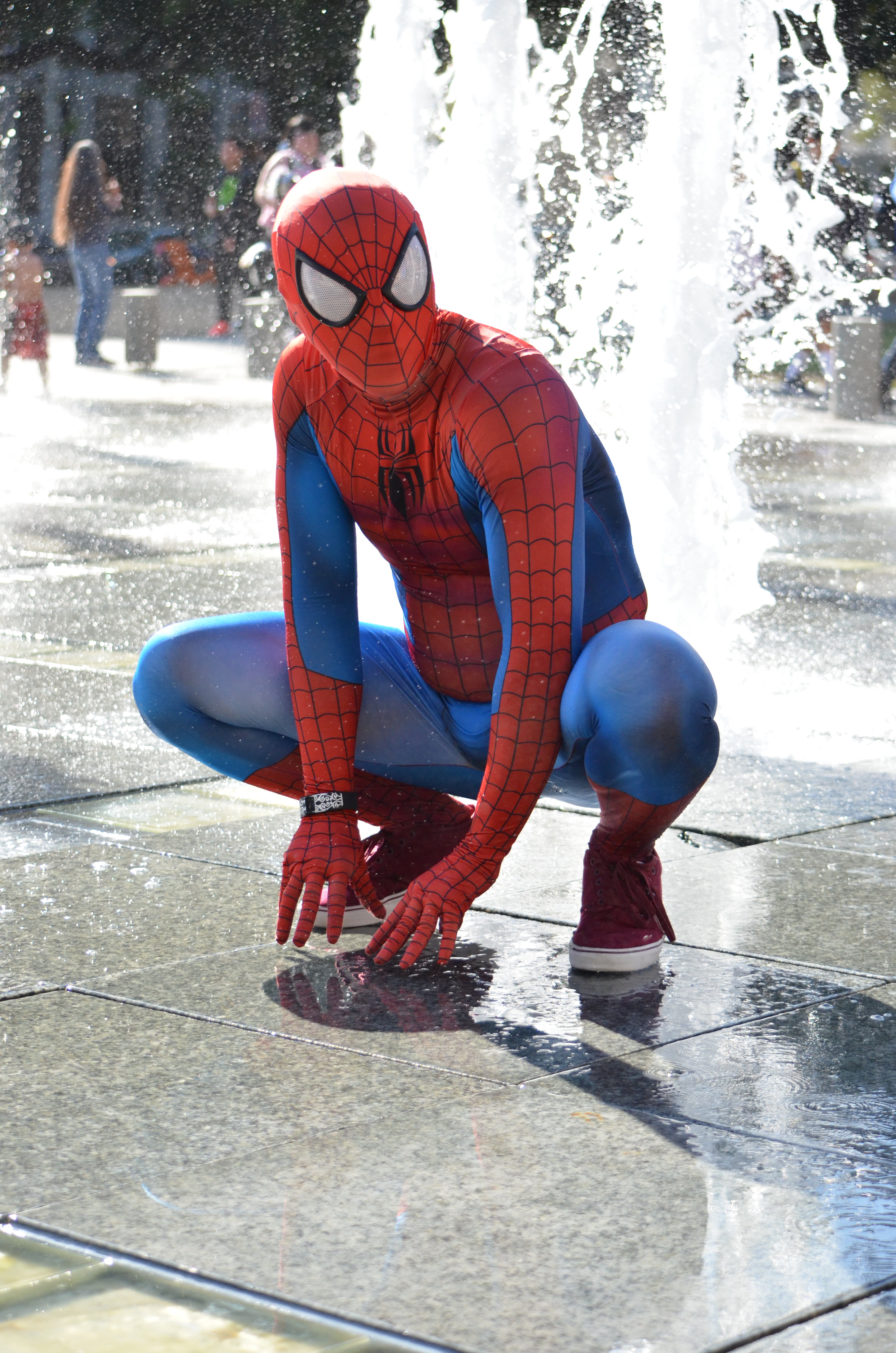
  • Give yourself a social challenge. For example, wear a ridiculous costume during a night out, such as a Gorilla, a Banana, or Spiderman during a night out. People will treat you differently, and you’ll act differently because of it. Your hometown will not feel the same.
DSC_0282 (1).JPG
Wasn’t joking about the Spiderman one – that’s me up there
  • You could also tell yourself, “I can’t go home until I ask 5 strangers to marry me.” That’s a little extreme, but you get the idea of challenging yourself. This type of challenge is to get you out of your comfort zone. Here is a great TEDX talk about comfort zone challenges that is both more informative and inspiring than anything I could say about the subject.
  • Your hometown is usually a comfortable place, and making it uncomfortable through a challenge can make it like a vacation – at least in terms of experiencing something new.

Explore the Community

“My hometown is boring. there’s nothing to see, nothing to do, and no one interesting.” – Many people who never try new things, then complain that they aren’t experiencing anything new

Whether you live in a small town, a big city, or anything in between, there is always something you haven’t done there or in the surrounding area. Those could be hiking trails, restaurants, museums, historical sites, meeting strangers, or even watching Netflix in a different coffee shop than normal. For example, via Groupon, I found out that my area has at least 100 massage spas, a bunch of escape rooms, and a gourmet chocolate factory – that gives tours and numerous fancy samples – all within 20 miles of home. Given my obsession with sweets, I bought the chocolate Groupon and tried it out. It was wild.

Related image

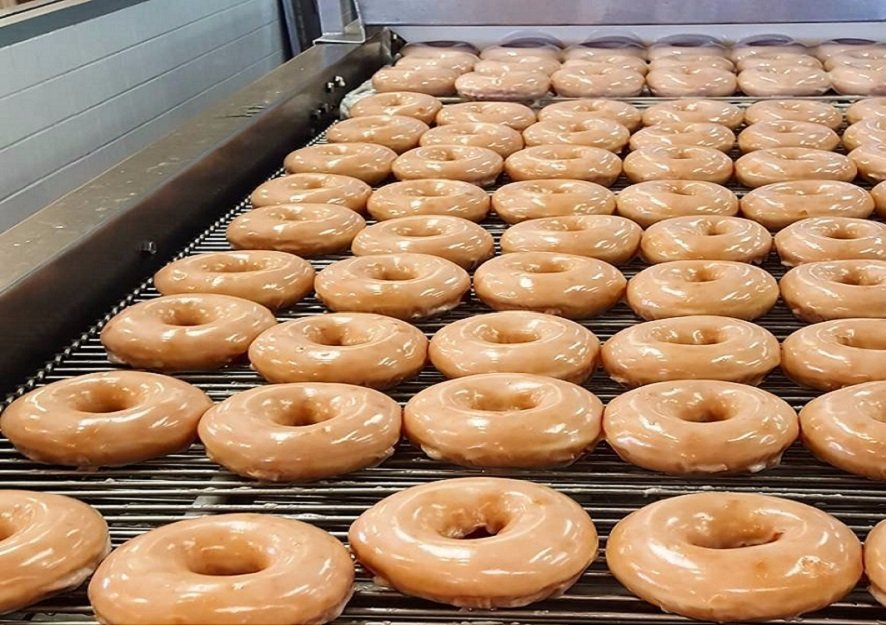
On that same vein of using Groupon, the site is pure gold. You save a lot of money on events, restaurants, and other activities, and VERY often, the site extra discounts added on top of whatever savings you initially have. Groupon is a major reason I can afford food adventures, such as buying 4-dozen Krispy Kreme donuts with a friend and making a really bad choice. However,at times I spend too much on discounted adventures to save for long-term goals. Everything in moderation.

Image result for krispy kreme

Other tools for exploring your community are networks like Nextdoor and Meetup. These are social networks for your local community. Nextdoor places you in a mini-network for your neighborhood, and it’s a great tool for getting to know your neighbors, communicate about community issues, and generally have a more connected town. Meetup links you to groups who meet near you who do activities you’re interested in. For example, there are hiking, exercise, gaming, and bar-hopping groups among the many. You can also start your own if none that you find seem appealing! So, that underwater basket weaving group you’ve always wanted can become a reality!

If your town doesn’t have much of an online presence, you can always either be the one to start it, or explore the old fashioned way: by going where you haven’t been and seeing what happens! Back in high school, an ex and I went out to a specific restaurant for lunch, and after eating, we decided to just go down the road further into a local are we’ve never explored and see what happens. It was a memorable, fun day, and all it took was going a couple miles outside of our regular local limits.

Or you can ask friends about cool, unexpected things to do. I asked my coworker about cool spots, and he told me about a BEAUTIFUL Japanese Garden I didn’t even know existed about 6 miles from me. The point is, you can find what you’ve never found and do what you’ve never done if you make an effort.

Image result for hakone gardens


In Summary

There’s a lot you can do to spice up your day-to-day. Forcing discomfort on yourself simulates the exhilarating discomfort of travel, and you can enhance that with an infinite number of personal challenges. To give you new things to do you may have never even heard of, there are plenty of services that can help. Your friends also will have some great insight. If your why for travel is new experiences, you don’t need to go past your city limit – though getting away can help.

I hope this has given you some ideas to make the most of where you are! Travel can be expensive, but local experiences can be as fulfilling as travel with a significantly lower cost. When we crave travel, most of that desire is for new experiences. Travel guarantees that, but never neglect next door.

Best of luck to you all,

Andy

Side note: I am not actually in my hometown as of this posting. I am in Japan, and I find it ironic posting an article about hometowns as I explore somewhere 6000 miles away from mine.


My Social Media:

Twitter

Twitch


Most photos from Pixabay

Life Lessons from the Dojo: What Martial Arts Taught Me

Life Lessons from the Dojo: What Martial Arts Taught Me


If you know me in person or have read this blog, you probably have gathered that I study Japanese. One person who I told almost immediately asked, “Why,” in an interrogative tone, and it got me thinking about how to put into words my exact reasoning for learning the language. It’s not the most commonly spoken, has almost no utility outside Japan, and can cause people to make assumptions about me (a white person) learning it. But really, why do I study Japanese? It’s my martial arts background that sparked my interest, and I owe a lot of who I am to that background. Note: This article is not about techniques I learned in martial arts. It’s about the mindset martial arts allowed me to develop.


The Lessons

When I was in elementary school, I started taking Kenpo Karate classes at my local community center. Between a couple breaks, I ended up practicing it for over 7 years and now currently train in Judo at school. Things I learned in that class shaped who I am today.

karate-2022340_1920.jpg

I learned discipline, respect, and to only compare myself to myself. I learned the importance of practicing and repetition to commit something to memory – I still have great form on many of my techniques despite no longer regularly practicing. We learned ukemi, how to fall and roll properly, and that has come in handy many times. Once, I face-planted off my skateboard, and instead of crashing, I tucked and rolled safely and smoothly out of it – which wouldn’t have happened if I hadn’t learned ukemi with proper discipline.

Side-note – While I did tuck and roll, you might imagine this smooth image of me easily and quickly getting up and acting like nothing happened. That is not the case. I screamed an expletive as I fell, and because I had a backpack on, it was the silliest, slowest roll you’ve ever seen. But, I did it properly and the only “injury” was a bit of dirt on my pants. And my dignity.

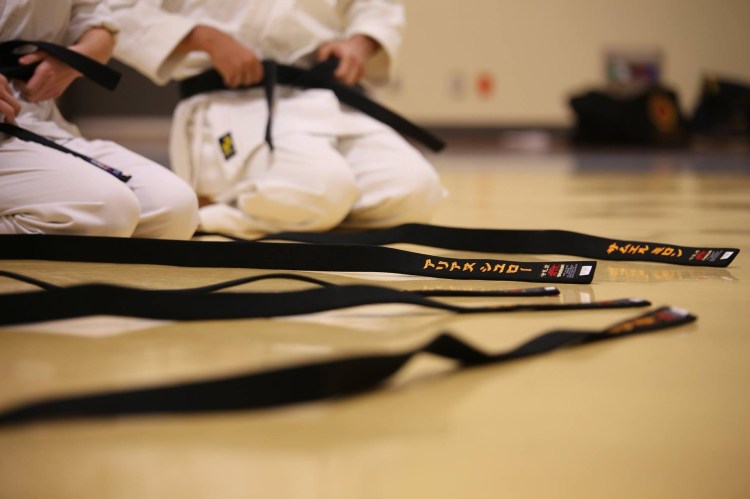
black-belt-894190_1920.jpg

Additionally, respect was a major lesson. While many Americans would say sitting down and shutting up is passive and weak, it gave me a lot of strength of character. I had two instructors in my class, one, the main Sensei was the good cop who rarely served discipline, while the other was bad cop who was fast and loose with assigning push-ups. I am a naturally talkative person, so learning to respect rules, (from people other than my parents) despite only being to avoid push ups, reinforced the important of respecting others, shutting up, and listening. I still do talk too much, but imagine how bad it would be if I didn’t learn respect.

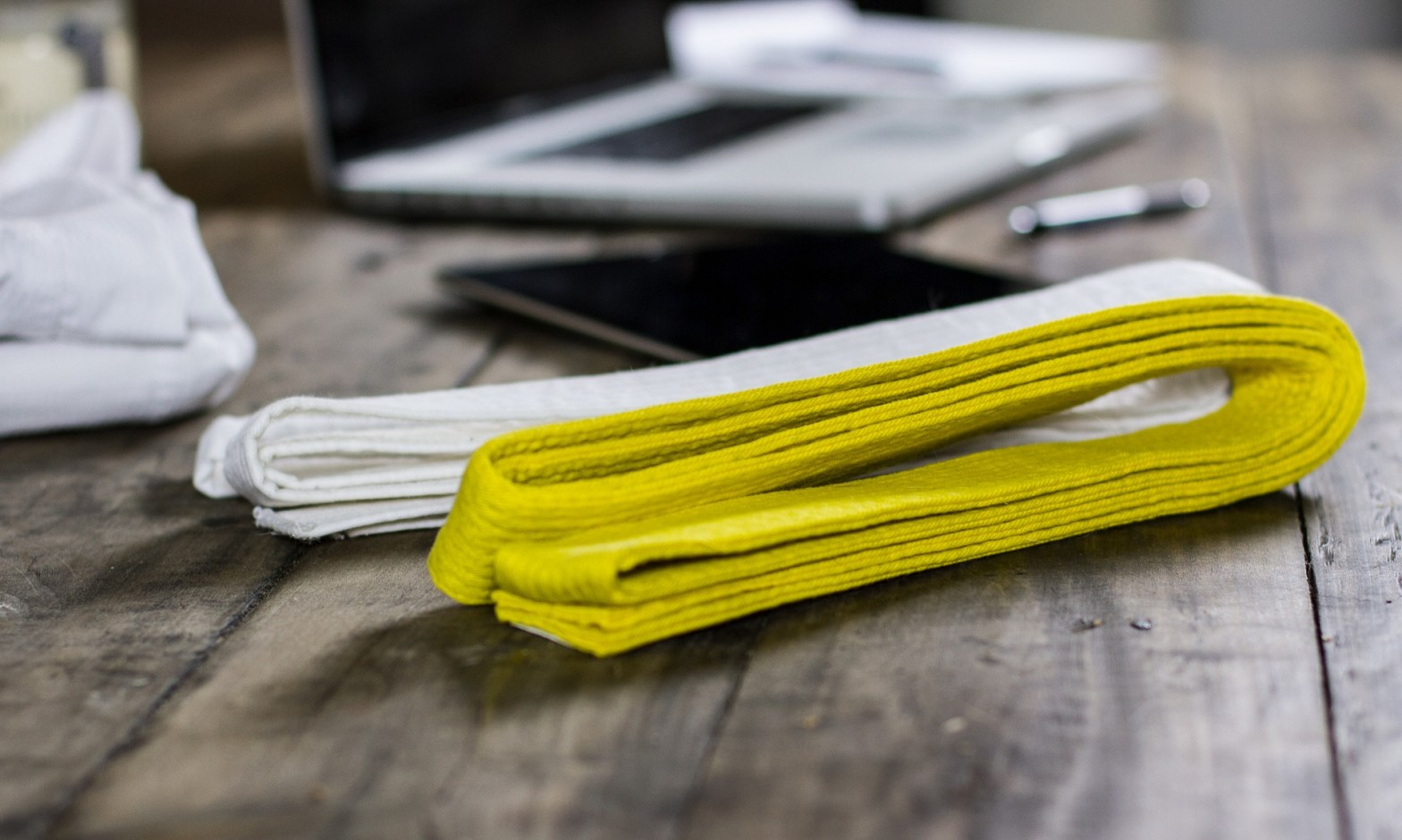
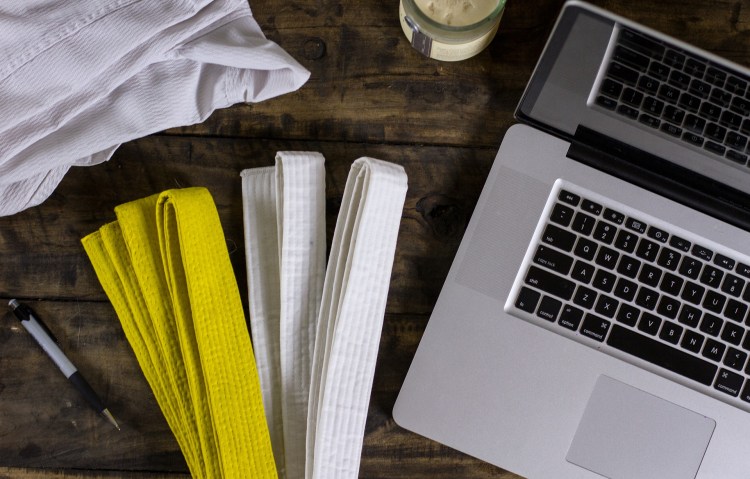
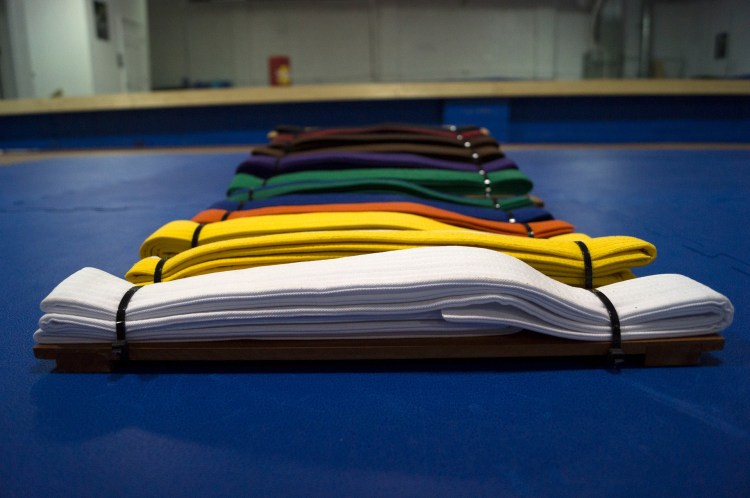
belts-2125250_1920

Last but not least, I learned to compare myself only to myself. As a somewhat competitive person, it’s easy to fall into the trap of always comparing to others, seeing how people are doing things better than I am. It’s a rabbit hole of negativity, and Karate taught me to think differently. In my class after each test, one or two students would receive an award for doing the best test. However, the “best test” is not in comparison to other students. That comparison is between yourself and your past tests, and you won the award if you did the best you had ever done. So, thanks to that one award, my competitive nature shifted from an other focus to a self focus. While I still compete with others, my main opponent to overcome is myself.


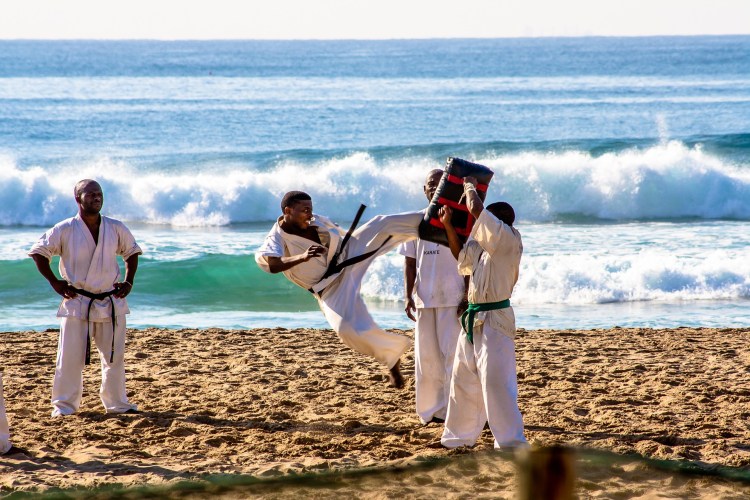
karate-852619_1920.jpg

Karate, to me, was the vehicle through which I learned life lessons. The self-defense aspect has had nearly no use so far, as I’ve never had to use it, but what I learned through practicing that self defense has played a large role in making me who I am. Much of those lessons, including respect, discipline, and being your best self are encompassed in the oath we had to learn for the class, which I wrote from memory below:

The Kenpo Oath

My Art is Kenpo

I will be true to my art

I will be true to my teacher

And I will be true to myself

I will conduct myself at all times with dignity and honor

I will treat all people with respect and kindness

And I will seek truth in all matters

Neither will I fear those who are stronger than me

Nor be cruel to those who are weaker than me.

I vow today and every day to be the best that I can

And face each day with bravery

For I have faith in myself

And faith in my art

My art is Kenpo

Best of luck,

-Andy


My Social Media:

Twitter

Twitch


Photos from Pixabay